
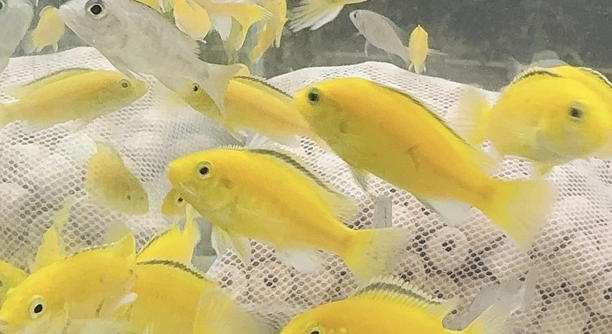
Keeping African cichlids while going on vacation can be challenging for many fishkeepers. These colorful fish need proper care even when you are away. Planning ahead helps ensure their health and safety during your absence.
Proper preparation before leaving and setting up automated or reliable feeding systems are essential to maintain water quality and provide consistent nutrition to African cichlids during vacations. Additionally, arranging for occasional monitoring helps prevent stress and health issues.
Following a few simple tips can make a big difference in your fish’s wellbeing. These guidelines will help you enjoy your time away without worrying about your aquatic pets.
Preparing Your Tank Before You Leave
Before heading out, it’s important to get your tank ready. Start by doing a partial water change to improve water quality. Remove any uneaten food and clean the filter if needed, but avoid doing a full cleaning that could upset the tank’s balance. Check that all equipment like heaters, filters, and lights are working properly. Make sure the water temperature is stable and within the right range for African cichlids. Feeding should be adjusted a few days before leaving to avoid leftover food, which can pollute the water. It helps to set up an automatic feeder or ask someone you trust to feed the fish in your absence. Also, consider adding plants or decorations that provide hiding spots and reduce stress. Taking these steps can make a big difference in keeping your fish healthy while you’re away.
A well-prepared tank reduces risks and keeps your fish comfortable. It also lowers the chance of problems that can arise from sudden changes.
Planning ahead means you won’t have to worry about your fish while focusing on your time away. A stable environment with regular feeding and clean water ensures your African cichlids stay safe and healthy.
Choosing the Right Feeding Method
Automatic feeders can be a reliable choice for feeding during vacations. They release small portions of food at set times, which helps prevent overfeeding and water pollution.
Using an automatic feeder requires testing it before leaving to make sure it works well with your fish’s diet. Some feeders are better suited for flakes, pellets, or specialized foods. If you prefer, having someone check on the fish and feed them manually is also an option. This method allows for more flexibility, especially if your fish need special care or specific feeding amounts. When choosing a feeding method, consider your fish’s habits and your tank setup. Make sure the method you pick won’t disrupt the tank’s water quality or cause stress to the fish. Keeping feeding consistent is key to avoiding hunger or excess waste that can harm the tank’s balance.
Monitoring Water Quality
Maintaining good water quality is crucial during your absence. Test your water parameters before leaving to ensure everything is stable.
Regular water tests check pH, ammonia, nitrite, and nitrate levels. African cichlids are sensitive to sudden changes, so it’s important the tank is balanced. Use water conditioners if necessary to keep harmful chemicals low. If someone is checking on your fish, ask them to test water and report any issues. Frequent water changes before you leave help reduce waste buildup. Avoid overfeeding since leftover food can quickly damage water quality. Keeping the environment stable reduces stress and keeps fish healthy.
If you can’t have someone monitor the tank, consider installing devices that track water parameters. These tools can alert you to problems early, letting you act quickly or arrange for help.
Managing Tank Temperature
Stable temperature is vital for African cichlids. Temperatures outside their preferred range can cause stress or illness.
Set your heater to a consistent temperature before leaving. Use a reliable heater with a built-in thermostat to avoid overheating or cooling. Sudden temperature drops can be harmful, especially if your home’s climate fluctuates. If you have a backup power source or generator, it can prevent heater failure during outages. Make sure the tank is not in direct sunlight or near drafts that cause temperature swings. You might want someone to check the room temperature occasionally if you’ll be away for a long time. Maintaining a steady temperature supports your fish’s immune system and behavior, helping them stay healthy until you return.
Securing Your Tank
Make sure the tank lid fits tightly to prevent fish from jumping out. Check all seals and covers before you leave.
Double-check that any cords or equipment are safely positioned to avoid accidents. Keeping the setup secure helps avoid stress and potential injuries for your fish.
Reducing Stress in Your Fish
Stress weakens African cichlids’ immune systems and makes them prone to illness. Avoid sudden changes in lighting or water conditions. Keep the environment calm by limiting loud noises near the tank.
Arranging Emergency Help
Have a trusted person ready to step in if problems arise. Share clear instructions about feeding, tank maintenance, and what to watch for.
Managing Light Exposure
Use timers to control lighting and keep a regular day-night cycle. This helps maintain natural behavior and reduces stress in your fish.
How long can African cichlids go without food during a vacation?
African cichlids can generally go without food for up to seven days without major issues. Their metabolism allows them to tolerate short fasting periods. However, longer than a week without feeding can cause stress and weaken their immune system, leading to health problems. It’s best to arrange feeding for absences longer than this to keep them healthy.
Can I leave my cichlids with an automatic feeder alone for two weeks?
Using an automatic feeder for two weeks is possible but requires preparation. Test the feeder before you leave to ensure it dispenses the right amount of food and doesn’t jam. Overfeeding from a malfunctioning feeder can pollute the water and harm your fish. Also, choose food types compatible with the feeder, and consider splitting the feeding into multiple small portions daily to avoid leftover food.
What water parameters should I check before leaving?
Check the water’s pH, ammonia, nitrite, and nitrate levels. African cichlids prefer slightly alkaline water with a pH around 7.8 to 8.6. Ammonia and nitrites should be at zero, as they are toxic. Nitrate should be below 20 ppm to keep the environment safe. Stable water conditions reduce stress and health risks during your absence.
Is it necessary to do a water change before going on vacation?
Yes, a partial water change before leaving helps remove toxins and refresh the tank environment. Change about 20-30% of the water, making sure the replacement water is treated and matches the tank temperature. This step reduces waste buildup and keeps water quality higher while you’re away.
Should I feed my cichlids more or less before vacation?
Feed your fish slightly less in the days before leaving. This helps prevent excess food from rotting in the tank, which can cause water quality problems. Reduce feeding gradually over 2-3 days so fish adjust and produce less waste.
Can I leave plants or decorations in the tank during my vacation?
Yes, leaving plants and decorations in the tank is beneficial. They provide hiding spots and reduce stress for your cichlids. Live plants also help maintain water quality by absorbing nitrates. Just make sure plants are healthy and won’t decay while you’re away.
What should I do if my heater stops working while I’m away?
If your heater stops, the water temperature may drop quickly. This can stress your fish. Having a backup heater or power source helps prevent this problem. If you have someone checking on your tank, ask them to replace or fix the heater if needed. Keeping temperature stable is critical.
Can I rely on someone to feed my fish instead of an automatic feeder?
Yes, having a trusted person feed your fish is often better. They can adjust feeding amounts and spot any signs of illness or tank problems. Give clear instructions and show them how to care for the fish and maintain the tank.
How often should someone check on the tank during my absence?
Ideally, someone should check the tank every 2-3 days. This allows them to feed, test water, and notice any changes or issues. Regular visits prevent small problems from turning into big ones.
What signs of stress or illness should I warn helpers to watch for?
Helpers should watch for unusual behavior like hiding, gasping at the surface, loss of appetite, or faded colors. Also, look for signs of disease such as white spots, clamped fins, or rapid breathing. Early detection is key to treating problems quickly.
Can I lower the light duration to reduce stress while I’m away?
Yes, reducing light exposure can help reduce stress and algae growth. Use timers to keep a consistent but shorter light schedule, around 6-8 hours a day. Avoid sudden changes in lighting to maintain stability.
Is it safe to add water conditioners before I leave?
Adding water conditioners that neutralize chlorine, chloramine, and heavy metals before you leave is safe and recommended. These help protect your fish from harmful chemicals in tap water during water changes or refills.
What if there’s a power outage during my vacation?
Power outages can disrupt heating, filtration, and aeration. A backup battery system or generator helps maintain these functions. If you rely on someone to care for your fish, let them know how to respond to power failures.
Can I feed my cichlids freeze-dried or frozen food before leaving?
Yes, feeding freeze-dried or frozen food before you leave adds variety and nutrition. These foods often cause less waste, helping keep the tank cleaner. Just make sure to feed appropriate portions to avoid leftovers.
Should I turn off the filter when I’m away?
No, never turn off the filter for an extended time. Filters keep water clean and oxygenated, which is essential for fish health. Make sure your filter is well maintained before leaving and runs continuously.
How can I reduce algae growth while I’m away?
Limit light exposure using timers and avoid overfeeding, as excess nutrients promote algae growth. Adding live plants can help compete with algae for nutrients, keeping growth under control naturally.
What is the best way to prevent aggression in cichlids during my absence?
Arrange the tank with enough hiding spots and territory markers like rocks and plants. This reduces stress and fighting while you’re away. Avoid overcrowding and separate aggressive individuals if possible before leaving.
Is it okay to leave the aquarium unattended for more than two weeks?
Leaving the aquarium unattended for more than two weeks is risky unless you have automated systems and reliable help. Extended absences increase the chance of problems. Planning proper care or arranging trusted assistance is crucial for longer trips.
Can water evaporate while I’m gone, and how do I manage it?
Yes, water can evaporate, lowering the water level. Use a cover to reduce evaporation and arrange for someone to top off the tank with treated water if needed. Keeping water levels stable protects filter function and fish health.
When planning to be away from home, taking good care of your African cichlids is very important. These fish need a stable and clean environment to stay healthy. Before you leave, make sure your tank is properly prepared by doing water changes, checking equipment, and setting up feeding systems. A well-maintained tank helps prevent problems like poor water quality or stress that can harm your fish. Small steps like adjusting feeding amounts and securing the tank lid make a big difference in keeping your cichlids safe and comfortable while you are gone.
Having a clear plan for feeding and monitoring the tank is key during your absence. Automatic feeders can help by giving your fish regular meals, but they must be tested and set correctly to avoid overfeeding. If you have someone to check on the tank, make sure they know exactly what to do and what signs to watch for. Regular water testing and temperature checks by a helper can catch issues early before they become serious. This extra care helps reduce the risk of illness or stress, giving you peace of mind while you are away.
Keeping your African cichlids healthy during vacations means focusing on stability and balance. Avoid sudden changes in water, temperature, or lighting, and keep the tank environment as close to normal as possible. This supports your fish’s wellbeing and helps them handle the absence of daily attention. Planning ahead and taking these steps not only protects your fish but also makes returning to your tank a pleasant experience. Your cichlids will thank you with their vibrant colors and lively behavior when you come back.

Hello,
If you enjoy the content that we create, please consider saying a "Thank You!" by leaving a tip.
Every little bit helps us continue crafting quality advice that supports the health, happiness, and well-being of pets around the world, for pets of all shapes, sizes, and species.
We really appreciate the kindness and support that you show us!