
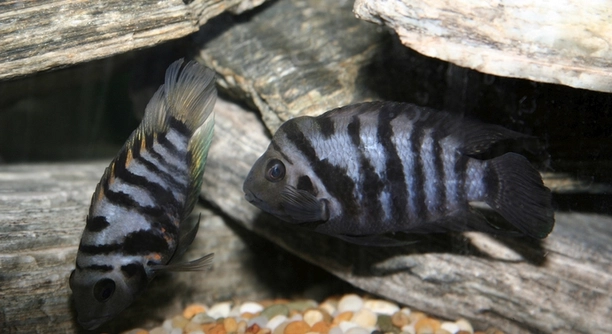
Cichlid tanks need clean, well-maintained water to keep fish healthy and happy. Filtration plays a key role in removing waste and maintaining water quality. Improving filtration can make a big difference in your tank’s environment.
Effective filtration for cichlid tanks involves using a combination of mechanical, biological, and chemical filters. Regular maintenance and choosing the right filter size ensure optimal water flow and toxin removal, supporting the health and longevity of your fish.
Improving your filtration system can lead to clearer water and a healthier tank environment for your cichlids to thrive in.
Choose the Right Filter Type for Your Tank
Selecting the proper filter type is essential for maintaining clean water in a cichlid tank. There are three main types of filtration: mechanical, biological, and chemical. Mechanical filtration traps debris and particles, keeping the water clear. Biological filtration uses beneficial bacteria to break down harmful ammonia and nitrites produced by fish waste. Chemical filtration removes toxins and impurities with activated carbon or other media. Many aquarists combine these filtration types for the best results. Power filters are popular because they offer strong water flow and can hold various filter media. Canister filters are ideal for larger tanks since they provide excellent biological and mechanical filtration without taking up much space inside the tank. Hang-on-back filters work well for smaller tanks and are easy to maintain. Matching your filter to your tank size and cichlid species will improve water quality and keep fish healthy.
A good filter setup balances all three filtration methods. Mechanical filtration clears water visibly, biological filtration keeps toxins low, and chemical filtration removes dissolved pollutants. Combining these ensures a stable environment.
Matching your filter type with your tank’s size and fish load prevents overworking the filter and reduces maintenance. Consistent water movement from the filter helps oxygenate the tank and keeps debris suspended for removal. It’s best to research your cichlid species’ needs before choosing your filter type.
Maintain and Clean Your Filter Regularly
Cleaning and maintaining your filter regularly is critical for keeping it effective. Neglecting this task causes filter media to clog, reducing water flow and filtration efficiency. A clogged filter can lead to poor water quality and stressed fish. Schedule cleaning based on the filter type and tank conditions, usually every two to four weeks. When cleaning, rinse mechanical filter pads or sponges in tank water rather than tap water to preserve beneficial bacteria. Avoid replacing all biological media at once to prevent losing important bacteria colonies. Chemical media like activated carbon should be replaced monthly since it loses effectiveness over time. Keeping a consistent cleaning routine extends your filter’s lifespan and maintains optimal tank conditions.
Regular maintenance ensures the filter continues working at its best, removing waste and toxins efficiently.
A clean filter helps maintain water clarity and reduces harmful ammonia and nitrite buildup, which protects your cichlids from illness and stress.
Use Additional Filtration Methods When Needed
Adding extra filtration devices can improve water quality, especially in heavily stocked cichlid tanks. Sponge filters are inexpensive and provide additional biological filtration while being gentle on small fish or fry. UV sterilizers help control algae and kill harmful pathogens, reducing the risk of disease outbreaks. Refugiums or planted filter sections can assist by absorbing nitrates and providing natural filtration. Using multiple filtration methods balances the tank’s ecosystem, supporting healthy fish and stable water parameters.
Supplementary filters support your main filter and improve overall tank health.
Integrating extra filtration depends on your tank size, stocking level, and specific needs. For example, a heavily stocked African cichlid tank benefits from a canister filter combined with a sponge filter to improve water clarity and bacteria growth. UV sterilizers are particularly useful in tanks prone to algae blooms or parasite issues. Before adding equipment, consider tank space and maintenance requirements. Some methods need regular upkeep but pay off with better water quality and healthier fish. Combining filtration methods offers peace of mind, knowing your cichlids live in clean, safe water conditions.
Optimize Water Flow in the Tank
Good water flow helps distribute oxygen and nutrients while moving debris toward the filter intake. Proper circulation prevents dead spots where waste can accumulate and degrade water quality. Adjusting filter output and using powerheads or circulation pumps improves flow patterns. Avoid overly strong currents that stress fish by directing flow toward tank walls or decorations to create gentle water movement. Observing fish behavior helps gauge if flow is comfortable or too intense. Balancing flow supports cichlid health and keeps the tank clean.
Adjusting flow prevents stagnant areas and supports effective filtration.
Carefully placed circulation devices can increase oxygen exchange and help maintain consistent water parameters.
Use Quality Filter Media
Choosing quality filter media improves filtration efficiency and water clarity. High-grade sponges, bio balls, and activated carbon last longer and perform better than cheaper alternatives. Good media supports beneficial bacteria growth and removes impurities effectively.
High-quality mechanical media traps more debris without clogging quickly. Biological media with large surface areas encourages strong colonies of nitrifying bacteria that break down ammonia and nitrites. Chemical media like activated carbon or zeolite removes toxins and odors that affect water quality. Investing in premium media reduces the frequency of replacements and helps maintain stable water conditions. Some media types also help control algae and discoloration, keeping your tank visually appealing. Using quality filter media is a simple way to boost your filtration system’s overall performance.
Changing filter media on a schedule prevents buildup and maintains effectiveness. Mechanical and chemical media often need monthly replacement, while biological media should be cleaned gently and replaced less often. This balance keeps beneficial bacteria thriving while keeping water clear and safe for cichlids.
Monitor Water Parameters Regularly
Testing water parameters frequently ensures your filtration system is working properly and the environment is safe. Parameters like ammonia, nitrite, nitrate, and pH reveal water quality and fish health. Keeping them stable prevents stress and disease.
Using test kits weekly or biweekly helps catch issues early before they become serious. If ammonia or nitrite levels rise, filtration might be insufficient or clogged. Regular testing allows timely adjustments, such as increasing filter capacity or performing water changes. Tracking pH is also important, as some cichlid species prefer specific ranges. Knowing your tank’s water chemistry supports informed decisions about maintenance and fish care. Monitoring parameters consistently protects your cichlids and maintains a healthy aquarium environment.
Avoid Overfeeding Your Cichlids
Overfeeding produces excess waste that clogs filters and harms water quality. Feeding only what your fish can eat in a few minutes reduces this problem.
Controlling food amounts lowers ammonia buildup and eases the filter’s workload. Proper feeding supports clearer water and healthier fish.
Perform Regular Water Changes
Water changes remove accumulated toxins and replenish minerals essential for cichlids. Changing 20–30% of the tank water weekly keeps the environment balanced.
Consistent water changes support filter performance and help maintain stable water chemistry for your fish’s well-being.
Position the Filter Intake Correctly
Place the filter intake away from substrate to avoid sucking up debris that clogs media quickly. Positioning it near moderate flow zones improves water circulation.
Proper intake placement prolongs filter life and maintains cleaner water by preventing blockages.
How often should I clean the filter in my cichlid tank?
Cleaning frequency depends on tank size, stocking levels, and filter type. Generally, mechanical media like sponges or pads should be rinsed every two to four weeks to prevent clogging. Biological media requires gentler cleaning and should not be replaced all at once to preserve beneficial bacteria. Chemical media such as activated carbon typically needs replacement monthly. Keeping a consistent cleaning schedule ensures your filter runs efficiently without disrupting the tank’s biological balance.
What type of filter is best for cichlid tanks?
Canister filters are often recommended for cichlid tanks because they provide strong mechanical and biological filtration while being easy to customize. Hang-on-back filters work well for smaller setups and offer convenient maintenance. Sponge filters add extra biological filtration and are gentle on small or juvenile cichlids. The best choice depends on tank size, fish load, and personal maintenance preference. Combining multiple filters can also improve overall water quality.
Can I use just mechanical filtration for my cichlid tank?
Mechanical filtration alone is not sufficient for cichlid tanks. While it removes physical debris, it does not break down harmful ammonia and nitrites produced by fish waste. Biological filtration is essential to convert these toxic substances into less harmful nitrates through beneficial bacteria. Chemical filtration helps remove dissolved impurities and odors but should complement, not replace, mechanical and biological filtration.
How do I prevent my filter from clogging quickly?
Avoid overfeeding your fish, as leftover food increases debris buildup. Position the filter intake away from substrate and large decorations to prevent suction of waste and detritus. Use quality mechanical media that traps debris without clogging too fast. Regular maintenance like rinsing mechanical media in tank water helps preserve bacteria while keeping flow strong. Balancing feeding, intake placement, and cleaning reduces clogging frequency.
Is it okay to turn off the filter during water changes?
Turning off the filter briefly during water changes is generally acceptable, but it should be powered back on immediately afterward. Prolonged filter downtime can harm beneficial bacteria colonies and disrupt water quality. Avoid cleaning all filter media at once during water changes to maintain biological filtration. A smooth transition keeps your tank stable and fish healthy.
How do I know if my filter is working properly?
Clear water and stable water parameters like low ammonia and nitrite levels are good signs of proper filtration. Adequate water flow without excessive noise or vibrations also indicates correct operation. Fish behavior is another clue; active and healthy fish usually mean the filter supports a good environment. If water smells bad, is cloudy, or toxins spike, the filter may need cleaning or adjustment.
Should I use activated carbon in my cichlid tank?
Activated carbon helps remove dissolved toxins, odors, and discoloration, improving water clarity. It is beneficial but not mandatory for all tanks. Carbon should be replaced every four to six weeks, as it loses effectiveness over time. Avoid overuse because it may also remove trace elements fish need. Using it as part of a combined filtration system balances water quality effectively.
Can too strong a water flow harm cichlids?
Yes, strong water currents can stress cichlids, causing them to expend extra energy and hide more. Many cichlid species prefer moderate flow with areas of calm water. Directing filter output toward tank walls or decorations helps break currents and create gentle movement. Observing fish behavior will guide adjustments to water flow for comfort and health.
What is biological filtration, and why is it important?
Biological filtration involves beneficial bacteria breaking down toxic ammonia and nitrites into less harmful nitrates. This process is critical for fish health, as ammonia and nitrites can cause serious harm or death. The bacteria colonize surfaces like bio balls, sponges, and filter media with large surface areas. Maintaining biological filtration through gentle cleaning and avoiding media replacement all at once ensures a stable tank environment.
How can I improve filtration in a heavily stocked cichlid tank?
For heavily stocked tanks, increase filter capacity by upgrading to larger or multiple filters. Adding sponge filters or powerheads improves water circulation and biological filtration. Using UV sterilizers can reduce pathogens and algae growth. Frequent water changes and careful feeding also ease filter workload. Monitoring water parameters closely helps adjust filtration as needed for a healthy, stable environment.
Is chemical filtration necessary for all cichlid tanks?
Chemical filtration is helpful but not essential for every tank. It removes dissolved substances that mechanical and biological filters cannot catch. Tanks with heavy waste, medication use, or algae problems benefit most from chemical media like activated carbon or zeolite. For low-stock, well-maintained tanks, mechanical and biological filtration may be sufficient. Evaluate your tank’s specific needs before adding chemical filtration.
How do I maintain beneficial bacteria during filter cleaning?
Always rinse mechanical and biological media in water taken from the tank, never tap water, which contains chlorine harmful to bacteria. Avoid replacing all biological media at once; instead, clean or swap portions gradually. This practice preserves the bacteria colonies necessary for breaking down toxins. Keeping biological filtration stable reduces the risk of ammonia or nitrite spikes after cleaning.
What should I do if my water parameters keep fluctuating?
Fluctuating water parameters often indicate inadequate filtration or overstocking. Increase filter size or add supplementary filtration to improve water processing. Check feeding habits and reduce food amounts if excess waste builds up. Perform more frequent water changes to stabilize parameters. Test water regularly to track progress and make adjustments. Stable water conditions are essential for your cichlids’ health and comfort.
Can plants help improve filtration in a cichlid tank?
Live plants contribute to filtration by absorbing nitrates and providing oxygen. They create a natural environment that helps balance water chemistry and reduce algae growth. However, cichlids often uproot or damage plants, so choose hardy species or use floating plants to avoid issues. While plants support filtration, they should complement a proper filter system, not replace it entirely.
Improving filtration in a cichlid tank is essential for maintaining a healthy and stable environment for your fish. Proper filtration removes waste, toxins, and debris that can harm your cichlids if left unchecked. By using a combination of mechanical, biological, and chemical filtration, you ensure that water remains clean and safe. Choosing the right filter type and quality filter media plays a major role in how well your filtration system works. It is important to select equipment suited to your tank size and the specific needs of your cichlid species.
Regular maintenance is just as important as choosing the right filter. Cleaning mechanical media regularly prevents clogging and keeps water flowing freely through the system. At the same time, biological media needs to be handled gently to preserve beneficial bacteria that break down harmful ammonia and nitrites. Chemical media should be replaced on schedule to continue removing dissolved impurities. Testing water parameters often helps track the tank’s health and ensures the filtration system is performing well. If water quality issues arise, adjusting filter capacity or performing water changes can help bring balance back to the tank.
Lastly, managing feeding amounts and tank stocking levels supports filtration efficiency. Overfeeding produces excess waste that can overwhelm filters and reduce water quality. Keeping the number of fish appropriate for your tank size also prevents strain on your filtration system. Adding supplemental filtration devices like sponge filters or UV sterilizers can further improve water clarity and reduce pathogens. Proper water flow and careful placement of filter intakes ensure debris is removed effectively without stressing your fish. Following these guidelines creates a cleaner, safer environment where cichlids can thrive long term.

Hello,
If you enjoy the content that we create, please consider saying a "Thank You!" by leaving a tip.
Every little bit helps us continue crafting quality advice that supports the health, happiness, and well-being of pets around the world, for pets of all shapes, sizes, and species.
We really appreciate the kindness and support that you show us!