
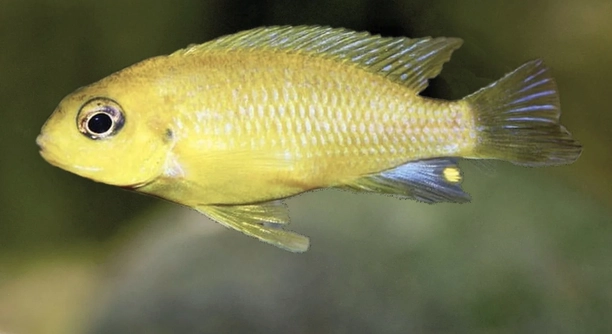
Cichlids are popular freshwater fish often kept in home aquariums. Many enthusiasts observe their behavior closely and wonder about their sensitivity to environmental changes. Weather shifts may influence how these fish act in subtle ways.
Cichlids possess sensory abilities that allow them to detect changes in their surroundings, including variations in barometric pressure and water conditions associated with weather changes. These responses help them adapt and maintain stability in their environment.
Understanding how cichlids sense weather can improve care and tank management. Exploring these behaviors offers insight into their natural instincts and well-being.
How Cichlids Detect Weather Changes
Cichlids rely on several sensory systems to perceive changes in their environment. One key factor is their ability to detect shifts in barometric pressure. When a storm approaches or the weather changes, air pressure often drops, and this affects the water above. Cichlids sense these subtle pressure changes through their lateral line system, a series of sensory organs along their body that detect vibrations and movement in the water. In addition to pressure, temperature fluctuations caused by weather changes also influence their behavior. For example, cooler water temperatures might slow their activity, while warmer conditions can increase feeding and movement. These natural responses help cichlids prepare for environmental shifts, like seeking shelter or becoming less active during storms. Understanding these signals is important for maintaining aquarium conditions that mimic their natural habitat, ensuring their comfort and health.
Their sensory systems allow cichlids to adjust their behavior before and during weather changes.
Recognizing these natural reactions can help aquarium owners create a stable environment. Adjusting tank conditions based on weather can reduce stress and improve fish health. Monitoring temperature and pressure changes helps maintain a balance similar to what cichlids experience in the wild, supporting their well-being.
Impact of Weather on Cichlid Behavior
Weather changes influence cichlid behavior in ways that are often subtle but significant. During drops in barometric pressure, cichlids might reduce their activity, hiding more or becoming less aggressive. These behavioral shifts are natural survival strategies that protect them from potential dangers like storms. Warmer temperatures usually lead to increased activity and feeding, while cooler water slows metabolism. In aquariums, sudden weather changes outside can still affect indoor water conditions, especially if tanks are near windows or poorly insulated. It is important to monitor these factors, as sudden shifts can cause stress and health problems. Regular water testing and maintaining stable temperature and oxygen levels help minimize the impact of weather on cichlids.
Changes in air pressure and temperature outside the tank directly affect cichlid behavior inside.
Keeping a close watch on weather-related changes helps prevent unnecessary stress. Simple steps like insulating the tank or using heaters can create a consistent environment, minimizing the effect of outside weather on your cichlids. These efforts contribute to healthier fish and a more enjoyable aquarium experience.
Signs That Weather Is Affecting Your Cichlids
Cichlids may show subtle signs when weather changes affect them. These signs include reduced activity, hiding more, or changes in appetite. Observing these behaviors helps identify when weather influences your fish.
Behavioral shifts are often linked to changes in barometric pressure or temperature. Before storms, cichlids might become less active or retreat to hiding spots. They may also eat less as a response to stress caused by environmental fluctuations. Sudden temperature drops can slow their metabolism, making them lethargic. In contrast, warmer conditions tend to increase their movement and feeding habits. Noticing these patterns early allows you to adjust tank conditions and reduce stress.
It is important to remember that these signs do not always mean illness. Many times, they reflect natural responses to environmental changes. Keeping a close eye on your cichlids during weather shifts will help you distinguish between normal behavior and potential health issues.
Tips to Help Cichlids During Weather Changes
Maintaining stable water conditions is key to supporting cichlids through weather changes. This includes monitoring temperature, oxygen levels, and water quality regularly.
Using aquarium heaters or chillers helps keep water temperature steady despite outside weather shifts. Proper aeration ensures oxygen levels do not drop during warm weather or storms. Regular water changes help maintain water quality, which may be affected by environmental factors. Keeping the tank away from direct sunlight or drafts reduces sudden temperature fluctuations. Adding plants or decorations provides hiding spots for cichlids feeling stressed by changes. These simple adjustments can make a big difference in their comfort and health.
Being proactive about tank conditions will help your cichlids stay calm and healthy. Understanding how weather impacts them allows you to provide the best care throughout the year.
Common Misconceptions About Cichlids and Weather
Many people believe cichlids cannot sense weather changes, but this is not true. Their lateral line and other senses allow them to detect environmental shifts.
Another misconception is that weather changes do not affect indoor aquariums. However, tanks near windows or poorly insulated rooms can experience temperature and pressure fluctuations impacting cichlid behavior.
How Aquarium Setup Influences Cichlid Sensitivity
The location and setup of an aquarium play a large role in how much cichlids feel weather changes. Tanks placed near windows or doors often experience greater temperature swings due to direct sunlight or drafts. Poor insulation in the room can also make water temperature less stable. Larger tanks usually have more stable conditions because of greater water volume, which buffers rapid changes. Proper filtration and aeration help maintain water quality and oxygen levels during weather shifts. Using a heater or chiller keeps temperature steady. Adding plants or decorations creates hiding spaces that reduce stress during environmental changes. An optimized setup minimizes the impact of weather on cichlids and supports their health.
Adjusting Care Based on Weather Patterns
Observing local weather trends helps prepare tank adjustments to keep cichlids comfortable.
FAQ
Can cichlids sense changes in barometric pressure?
Yes, cichlids can detect changes in barometric pressure through their lateral line system. This sensory organ helps them sense vibrations and pressure changes in the water, allowing them to respond to approaching storms or shifts in weather.
How does a drop in temperature affect cichlids?
When water temperature drops, cichlids often become less active and eat less. Their metabolism slows down, making them more lethargic. This is a natural response to conserve energy and survive cooler conditions.
Do indoor aquariums protect cichlids from weather changes?
Indoor tanks offer some protection, but they are not completely immune. Tanks near windows or in poorly insulated rooms can experience temperature and pressure changes that affect cichlid behavior. Maintaining stable conditions is still important.
What are common signs that weather is stressing my cichlids?
Signs include hiding more than usual, reduced activity, changes in appetite, and sometimes aggression. These behaviors usually indicate the fish are reacting to environmental changes rather than illness.
Can I prevent stress caused by weather changes?
You can reduce stress by maintaining stable water temperature with heaters or chillers, ensuring proper aeration, and avoiding placing the tank near direct sunlight or drafts. Adding plants or decorations helps fish feel secure.
Does water quality change with weather?
Yes, weather can indirectly affect water quality. For example, heavy rain or storms might cause fluctuations in water parameters if your aquarium uses tap water affected by these conditions. Regular water testing and changes are important.
How often should I check my aquarium during seasonal weather changes?
It is best to monitor water temperature, oxygen levels, and quality at least twice a week during seasonal changes. More frequent checks help catch problems early and prevent stress.
Can sudden weather changes cause illness in cichlids?
Sudden shifts in temperature or water conditions can weaken fish and make them more susceptible to diseases. While weather alone doesn’t cause illness, it can increase the risk if care is not adjusted properly.
Are some cichlid species more sensitive to weather changes?
Yes, some species are more sensitive, especially those from stable tropical environments. Species that naturally live in variable conditions may handle changes better, but all cichlids benefit from stable tank conditions.
What equipment helps manage weather impacts on cichlids?
Heaters and chillers maintain consistent water temperature. Air pumps improve oxygen levels, and timers for lighting help keep a regular day-night cycle. Insulated tanks or covers can reduce temperature fluctuations.
How can I create a stress-free environment during storms?
Keep the tank environment as stable as possible by avoiding unnecessary disturbances. Provide hiding spots with plants or decorations. Make sure filtration and aeration systems are working well to keep water clean and oxygen-rich.
Is feeding affected by weather changes?
Cichlids may eat less during cooler weather and more when it is warmer. Adjust feeding amounts accordingly to avoid overfeeding or underfeeding, which can cause health issues.
Can changes in water hardness or pH occur due to weather?
Weather can influence water parameters, especially if your water source is affected by rainfall or runoff. Sudden changes in hardness or pH can stress fish, so regular testing is important.
What should I do if my cichlids show unusual behavior during weather changes?
Observe them closely and test water parameters. Adjust tank temperature or oxygen levels if needed. If behavior does not improve, consult a specialist to rule out illness.
Does lighting affect how cichlids respond to weather?
Consistent lighting helps maintain natural rhythms and reduces stress. Sudden changes in light intensity or duration can add to stress, especially during weather changes, so use timers for stability.
How long does it take for cichlids to adjust to new weather conditions?
Adjustment time varies but generally can take several hours to a few days. Stable tank conditions help speed up recovery and reduce stress during these transitions.
Cichlids have natural abilities that help them sense changes in their environment, including weather shifts. These fish use sensory organs like their lateral line to detect changes in barometric pressure, temperature, and water conditions. This allows them to respond to changes before they become severe. For example, when a storm approaches or the temperature drops, cichlids may reduce their activity or hide more often. These behaviors are part of their survival instincts. Understanding this helps aquarium owners recognize that some changes in behavior are normal and linked to the environment rather than illness.
Keeping cichlids comfortable during weather changes requires attention to their tank conditions. Sudden shifts in temperature, pressure, or water quality can cause stress if not managed well. Simple steps like using heaters or chillers to maintain stable water temperature, ensuring proper aeration, and avoiding placing tanks near windows or drafts can make a big difference. Adding plants or decorations gives fish places to hide when they feel stressed. Regularly checking water parameters also helps catch any problems early. Being proactive with tank care supports the health and well-being of cichlids throughout seasonal and weather changes.
In the end, cichlids’ sensitivity to weather is a reminder that these fish are connected to their environment, even in a home aquarium. By paying close attention to their behavior and tank conditions, owners can provide a stable and supportive habitat. This reduces stress and helps cichlids thrive. Weather changes may influence how cichlids act, but with good care and awareness, they can adapt comfortably. Creating the right environment ensures your cichlids remain healthy and active, no matter the weather outside.

Hello,
If you enjoy the content that we create, please consider saying a "Thank You!" by leaving a tip.
Every little bit helps us continue crafting quality advice that supports the health, happiness, and well-being of pets around the world, for pets of all shapes, sizes, and species.
We really appreciate the kindness and support that you show us!