
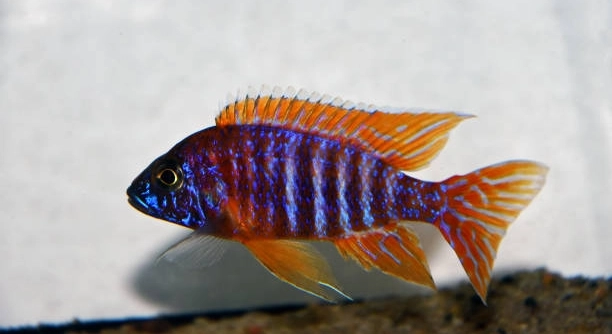
When keeping cichlids, sudden quick movements can catch your attention. These rapid darts are common behaviors seen in many species. Understanding why your cichlid moves this way can help you better care for your fish and their environment.
A cichlid darts quickly primarily as a response to stimuli such as threats, territorial defense, or during feeding. This behavior is an instinctive survival mechanism to avoid predators, assert dominance, or capture food efficiently in its habitat.
Recognizing these movements is important for maintaining a healthy aquarium environment and ensuring your cichlid’s well-being. This article explains the reasons behind their sudden bursts of speed.
Why Cichlids Dart Quickly
Cichlids often dart quickly to protect themselves or their territory. This behavior is natural and helps them stay safe from perceived threats. If another fish or sudden movement appears near them, they react by swimming fast to avoid danger. This quick motion can also be part of establishing dominance over other fish in the tank. Sometimes, cichlids dart while hunting food, showing their instinct to catch prey efficiently. These bursts of speed are normal and indicate a healthy, alert fish. Observing these movements can help you understand your cichlid’s mood and environment better. It is important to provide enough space and hiding spots to reduce stress and allow your fish to feel secure. Overcrowding or aggressive tank mates can increase darting due to stress or fights. Managing tank conditions properly supports your cichlid’s natural behavior and overall health.
Darting is a natural survival and territorial behavior in cichlids, linked to their alertness and environmental responses.
Watching how your cichlid moves can help you identify stress or aggression in the tank. If darting is frequent and intense, it might indicate poor water quality or unsuitable tank mates. A stressed fish may dart more often, which can affect its health over time. Ensuring proper water parameters, such as temperature and pH, helps reduce stress. Providing hiding places like rocks and plants also lets cichlids retreat when needed. If your cichlid darts during feeding, it is usually normal hunting behavior. However, consistent darting without cause means the environment needs adjustment. Keeping the tank clean and stable helps maintain calm fish. Monitoring their behavior regularly is key to a balanced aquarium. A well-managed tank creates a peaceful habitat where darting occurs mainly as a natural response, not constant stress.
How to Respond When Your Cichlid Darts
Sudden darting by your cichlid can seem alarming, but it rarely requires immediate action unless paired with other signs of distress. Observe your fish carefully to determine if the behavior is related to stress, aggression, or environmental factors. If darting occurs mostly around specific tank mates, consider rearranging the aquarium or separating aggressive fish. Make sure your cichlid has enough space to swim freely without feeling crowded. Check the water quality regularly to avoid ammonia or nitrite spikes, which can cause agitation. Adding decorations and plants gives your fish places to hide and reduces territorial disputes. Avoid sudden changes in lighting or noise that can startle your fish. Over time, maintaining stable conditions and understanding your cichlid’s behavior will help minimize excessive darting and promote a healthier tank environment.
Signs That Darting May Indicate Stress
Frequent, rapid darting without obvious triggers can be a sign of stress in your cichlid. Stress often comes from poor water quality, overcrowding, or aggressive tank mates.
Stress affects a cichlid’s behavior and health significantly. When water conditions worsen, fish become more sensitive to their environment, leading to nervous movements like darting. Overcrowded tanks limit swimming space and increase competition, causing tension among fish. Aggressive neighbors can intimidate your cichlid, making it dart to avoid confrontations. It’s important to watch for other signs such as loss of appetite, faded colors, or hiding. Addressing the root causes early can prevent long-term damage and improve your fish’s quality of life.
To reduce stress-induced darting, maintain clean water through regular changes and proper filtration. Space fish appropriately to avoid overcrowding and choose compatible species. Adding plants and caves provides hiding spots to make your cichlid feel safe. Monitoring your fish regularly helps catch issues before they escalate. Stress management is crucial to keeping your cichlid healthy and active.
Impact of Environment on Darting Behavior
Your cichlid’s environment greatly influences how often it darts quickly. A stable and well-maintained tank reduces unnecessary darting.
Environmental factors like water temperature, pH levels, and tank layout affect fish behavior. Sudden changes or poor water quality can cause agitation, leading to more darting. Small tanks or ones without enough hiding places force fish into constant interaction, increasing stress and rapid movements. Proper lighting and minimal sudden noise also help keep your fish calm. By creating a balanced environment, you minimize stress triggers.
Maintaining consistent water parameters, avoiding overcrowding, and providing natural shelter help your cichlid feel secure. Regular monitoring of tank conditions is key. A well-designed environment lets your fish swim freely without fear, reducing darting caused by discomfort or fear. Proper care promotes natural, relaxed behavior in your cichlid.
Common Triggers for Quick Darting
Sudden movements, loud noises, or unfamiliar objects can cause a cichlid to dart quickly. These triggers startle the fish, making it react instinctively to potential threats.
Bright lights or shadows can also provoke darting. Changes in the tank environment, such as rearranging decorations, often cause temporary bursts of rapid swimming. Understanding these triggers helps in creating a calm space for your fish.
How Feeding Influences Darting Behavior
Cichlids often dart quickly during feeding as part of their natural hunting instincts. They move fast to catch food before others get it.
Feeding time can trigger excitement and competition, especially in community tanks. Darting here is a normal, healthy sign of active behavior. Providing enough food and feeding smaller amounts multiple times a day can reduce aggressive darting caused by hunger or competition.
Signs to Watch for Beyond Darting
Look for other signs like lethargy, loss of appetite, or discoloration. These symptoms, combined with frequent darting, may indicate health issues.
Tank Setup Tips to Reduce Stress
Avoid overcrowding and provide plenty of hiding spots. This helps your cichlid feel secure and reduces darting caused by stress.
FAQ
Why does my cichlid dart suddenly without any obvious reason?
Cichlids may dart suddenly due to subtle changes in their environment that aren’t always visible to the owner. Small movements outside the tank, shifts in lighting, or water flow changes can startle them. Even slight vibrations or noises can cause quick bursts of swimming as an instinctive reaction.
Is darting a sign of illness in cichlids?
Darting alone isn’t usually a sign of illness. However, if it is accompanied by other symptoms like loss of appetite, lethargy, or unusual spots, it could indicate stress or disease. Regular monitoring of behavior and water quality is important to rule out health problems.
Can darting be caused by aggressive tank mates?
Yes, aggressive fish often cause cichlids to dart as they try to escape or avoid confrontation. Territorial disputes and bullying increase this behavior. If darting is frequent and aggressive interactions are visible, it may be necessary to separate fish or rearrange the tank to reduce conflict.
How can I reduce my cichlid’s darting behavior?
Improving tank conditions usually helps reduce excessive darting. Keep water clean and stable, avoid overcrowding, and provide hiding spots. Minimize sudden changes in lighting and noise. Feeding smaller portions more often can also calm your fish by reducing competition.
Is darting normal during feeding times?
Yes, darting during feeding is a normal behavior. It shows your cichlid is alert and actively hunting food. However, if darting becomes aggressive or leads to injury, consider feeding smaller amounts or separating fish during feeding to reduce stress.
Does tank size affect darting?
A small or overcrowded tank can increase darting because fish feel stressed and threatened. Providing enough space for your cichlid to swim freely and establish territory helps reduce quick, frantic movements. Larger tanks with hiding places allow fish to escape and relax.
Can lighting affect darting?
Sudden bright lights or strong shadows can startle cichlids, causing them to dart quickly. Consistent, moderate lighting with natural day-night cycles helps keep your fish calm. Avoid turning lights on or off abruptly to prevent stress reactions.
Should I be concerned if my cichlid darts at night?
Cichlids usually rest at night, so darting at this time can be a sign of disturbance or poor water quality. Check for possible causes like tank mates disturbing them, noisy filters, or improper temperature. Nighttime darting should be investigated to ensure your fish’s comfort.
Can changes in water parameters cause darting?
Yes, fluctuations in temperature, pH, or ammonia levels can cause stress, leading to darting. Sudden changes make fish feel unsafe and trigger quick movements. Maintaining stable water parameters through regular testing and water changes is essential for your cichlid’s well-being.
What role does tank decoration play in darting behavior?
Decorations provide hiding spots and break lines of sight, reducing territorial aggression and stress. Without enough cover, cichlids may dart more often to avoid perceived threats. Adding plants, rocks, and caves creates a more natural environment and lowers unnecessary darting.
Is it normal for young cichlids to dart more than adults?
Young cichlids tend to dart more frequently because they are more vulnerable and easily startled. As they grow and settle into their environment, their darting usually decreases. Providing a calm environment helps juveniles feel safer and less prone to sudden movements.
How do I know if darting is causing injury?
If you notice torn fins, bruises, or wounds after periods of rapid darting, injury may be occurring. This often results from collisions with tank objects or aggressive tank mates. Adjusting the tank layout and monitoring fish interactions can help prevent harm.
Can stress from darting affect my cichlid’s health long-term?
Chronic stress from constant darting can weaken your cichlid’s immune system, making it more prone to disease. Stress also impacts growth and behavior negatively. Managing environmental factors to reduce stress is vital for long-term health.
Should I isolate a cichlid that darts frequently?
Isolation may be necessary if darting results from bullying or aggression. Quarantining the fish temporarily allows recovery and reduces stress. However, cichlids are social to some extent, so long-term isolation isn’t ideal. Adjusting tank mates or tank setup often works better.
How does water flow influence darting?
Strong currents or uneven water flow can make cichlids dart to maintain position or avoid being pushed around. Adjusting filter settings or using flow deflectors creates a calmer water movement, reducing unnecessary rapid swimming.
What is the best way to observe darting behavior?
Spend time quietly watching your fish during different times of the day and feeding. Note when and how often darting occurs and what triggers it. This helps identify stressors or aggression, allowing for better tank management and care adjustments.
Understanding why a cichlid darts quickly is important for anyone caring for these lively fish. This behavior is often a natural response to their environment. It can signal alertness, territorial instincts, or feeding activity. However, frequent or excessive darting may also point to stress, poor tank conditions, or aggressive tank mates. Paying attention to your cichlid’s movements gives you clues about its well-being and helps you provide a healthier living space. When the fish is calm most of the time, with only occasional quick movements, it usually means the environment suits its needs.
Maintaining stable water quality and providing enough space are key factors in minimizing unnecessary darting. Water parameters such as temperature, pH, and cleanliness should be regularly checked and kept within the recommended range for cichlids. Overcrowding often leads to competition and stress, which makes fish dart more frequently. Adding plants, rocks, or caves to the aquarium offers places for your cichlid to hide or rest, reducing anxiety. A well-planned tank setup not only keeps your fish safer but also encourages more natural and relaxed behavior. Paying attention to feeding routines also matters. Offering food in smaller, controlled portions can reduce excitement and aggression during mealtime, which often causes bursts of fast swimming.
If darting becomes constant or your cichlid shows other worrying signs such as loss of appetite, discoloration, or injury, it is important to investigate further. Stress and illness are common causes behind abnormal behavior. Isolating aggressive fish or adjusting tank mates may help reduce tension. Regular observation and care help catch problems early before they affect your fish’s health. Overall, darting is a normal and natural behavior when it occurs occasionally. Understanding the causes and adjusting your care routine supports your cichlid’s health and comfort, making your aquarium a more peaceful place for both you and your fish.

Hello,
If you enjoy the content that we create, please consider saying a "Thank You!" by leaving a tip.
Every little bit helps us continue crafting quality advice that supports the health, happiness, and well-being of pets around the world, for pets of all shapes, sizes, and species.
We really appreciate the kindness and support that you show us!