
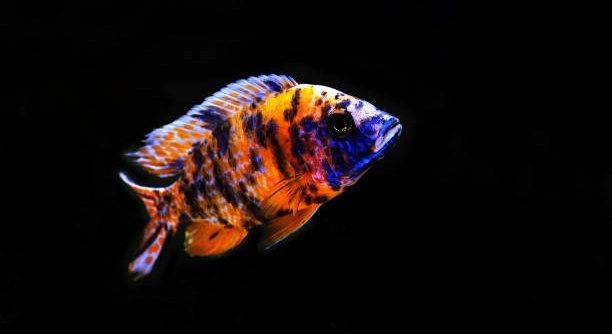
Many people enjoy keeping African cichlids because of their bright colors and lively behavior. Sometimes, these fish spend a lot of time hiding, which can worry their owners. Understanding why they hide helps provide better care for these beautiful fish.
African cichlids hide mainly due to stress, illness, or unsuitable tank conditions. Factors such as poor water quality, aggressive tank mates, or lack of hiding spaces can cause them to retreat often. Identifying and addressing these issues improves their comfort and wellbeing.
Learning what makes your cichlid hide can help you create a healthier environment. This article will explain common causes and practical steps to encourage your fish to feel safe and active.
Common Reasons African Cichlids Hide
African cichlids often hide when they feel threatened or uncomfortable in their environment. One main cause is poor water quality, which can stress the fish and make them seek shelter. Changes in water temperature or pH can also create discomfort. Another reason is aggression from other fish in the tank. Cichlids can be territorial, and if they feel bullied, they will hide to avoid conflict. Lack of adequate hiding spots or decorations in the tank can leave them feeling exposed and unsafe. Sometimes, illness or injury makes them retreat to rest and recover. Watching for these signs can help you spot problems early. By maintaining good water conditions, offering enough cover, and keeping compatible tank mates, you reduce the chances of your fish feeling the need to hide.
Stress is the main trigger for hiding behavior in African cichlids.
Paying close attention to your tank setup and fish interactions is key. Regular water tests and careful observation will help your cichlid feel more secure. Adding plants, rocks, or caves gives them places to retreat, reducing anxiety. Keeping aggressive fish separate or ensuring enough space helps maintain peace. If you notice lethargy or loss of appetite along with hiding, consider a health check. Often, improving tank conditions leads to more active and confident fish. This attention to detail makes a big difference in their behavior and wellbeing.
Improving Tank Conditions for Your Cichlid
Improving your cichlid’s tank conditions can greatly reduce hiding behavior. Start by testing water parameters regularly and performing routine water changes. Stable temperature and clean water help keep your fish healthy. Adding more hiding places with rocks, plants, or artificial caves gives them safe spots to retreat when needed. Be mindful of the number and type of tank mates to prevent bullying. Sometimes, rearranging the tank layout can reduce territorial disputes. Creating a calm environment with consistent light and minimal sudden disturbances also helps. These small adjustments create a more comfortable habitat that encourages your cichlid to explore and interact. Consistent care and observation are important to ensure the changes have a positive effect over time.
Signs of Stress in African Cichlids
Stress in African cichlids often shows through unusual behavior. They may hide more, lose appetite, or swim erratically. Color fading or rapid gill movement can also be signs. Recognizing stress early helps prevent serious health issues.
Stress can be caused by poor water quality, overcrowding, or aggressive tank mates. When stressed, cichlids seek shelter to feel safe, often hiding for long periods. If the environment remains stressful, their immune system weakens, making them prone to disease. Watching for these signs allows quick action to improve their conditions, such as water changes, adjusting tank mates, or adding hiding spots.
Behavioral changes may include sudden aggression or lethargy. Some cichlids stop eating or stay at the bottom of the tank. These behaviors indicate discomfort and possible illness. Keeping the tank stable and calm helps reduce stress and supports their natural behavior, encouraging them to be more active and visible.
How to Encourage Your Cichlid to Come Out
Creating a comfortable and safe environment encourages your cichlid to be more active. Ensure the tank has plenty of hiding spots but also open swimming areas. This balance helps your fish feel secure while exploring.
Slowly introducing changes, like adding plants or rearranging decorations, can stimulate curiosity without overwhelming the fish. Feeding at regular times and using favorite foods also helps build trust and encourages your cichlid to come out more often. Avoid sudden movements or loud noises near the tank, as these can scare your fish back into hiding. Patience and consistent care often result in a more confident and visible cichlid.
Tank Setup Tips to Reduce Hiding
Providing enough hiding spots is essential for cichlids to feel safe. Use rocks, caves, and plants to create natural shelters in the tank. These spots help reduce stress and give your fish places to retreat when needed.
Keep open swimming areas so your cichlid can move freely. Too many decorations can make the tank feel crowded and increase hiding behavior. Balance is key for a comfortable environment.
The Role of Tank Mates
Choosing the right tank mates is crucial. Aggressive or territorial fish can cause stress, making your cichlid hide more. Select compatible species that coexist peacefully and avoid overcrowding to minimize conflict.
Feeding and Hiding Behavior
Regular feeding schedules help your cichlid feel secure and reduce hiding. Using high-quality foods that your fish enjoys encourages them to come out and feed confidently.
When to Seek Veterinary Help
If hiding is accompanied by other symptoms like weight loss or abnormal swimming, it may indicate illness. Consult a vet to ensure your cichlid receives proper care.
FAQ
Why does my African cichlid hide all the time?
African cichlids often hide because they feel stressed, scared, or uncomfortable. This can happen due to poor water quality, aggressive tank mates, or not having enough places to hide. Sometimes, illness or sudden changes in their environment cause them to retreat. Making sure the tank is clean, stable, and has plenty of hiding spots usually helps reduce hiding behavior.
Is it normal for African cichlids to hide a lot?
It’s normal for cichlids to hide occasionally, especially when they are new to a tank or during aggressive encounters. However, if they hide constantly and don’t come out to eat or swim, it could signal stress or health problems. Monitoring their behavior and environment is important to understand what’s causing the hiding.
Can poor water quality cause my cichlid to hide?
Yes, poor water quality is a common reason cichlids hide. High levels of ammonia, nitrites, or incorrect pH can stress fish, making them seek shelter. Regular testing and water changes keep conditions safe and encourage your fish to be more active and visible.
How do aggressive tank mates affect hiding?
Aggressive or territorial fish can bully African cichlids, forcing them to hide for safety. If your cichlid is always hiding near the bottom or corners of the tank, other fish might be chasing or intimidating it. Separating aggressive fish or choosing peaceful tank mates helps reduce this problem.
What are signs my cichlid is stressed?
Signs of stress include excessive hiding, loss of appetite, faded colors, rapid gill movement, or erratic swimming. Stress weakens their immune system, making them vulnerable to diseases. Improving water quality, providing hiding spots, and maintaining a peaceful tank environment can help reduce stress.
Can rearranging the tank reduce hiding?
Yes, rearranging decorations can help reduce territorial disputes and encourage your cichlid to explore. Changing the layout breaks up established territories, lowering aggression. Adding new hiding spots and open swimming areas also makes the environment more comfortable and less stressful.
How long does it take for a cichlid to stop hiding?
The time varies depending on the cause. If hiding is due to stress or new tank conditions, cichlids may start coming out within days to weeks. Illness-related hiding may take longer and require treatment. Patience and consistent care are essential to help your fish feel secure.
Should I isolate a hiding cichlid?
Isolating a hiding cichlid can help if it is sick or being bullied. Use a quarantine tank to treat illness or give it a break from aggressive tank mates. However, a well-settled community tank with proper care usually allows cichlids to feel safe without isolation.
Does hiding mean my cichlid is sick?
Not always, but hiding combined with other signs like loss of appetite, lethargy, or unusual swimming can indicate illness. If hiding lasts a long time or is sudden and extreme, it’s important to check water quality and consult a vet if necessary.
How can I encourage my cichlid to come out of hiding?
Keep the tank clean and stable, offer plenty of hiding places, and avoid overcrowding. Feed on a regular schedule with food your cichlid likes. Avoid sudden movements or loud noises near the tank. These steps build trust and reduce stress, helping your fish feel safe to explore and be active.
African cichlids hiding often means they are trying to feel safe in their environment. This behavior is natural, especially if they face stress or threats. It is important to remember that hiding is a way for the fish to protect themselves when they feel uncomfortable. Sometimes it can be caused by changes in water quality, aggressive tank mates, or even illness. By understanding these reasons, you can help create a better space for your cichlid to live in. Providing a stable and clean tank with enough hiding places helps the fish feel more secure.
Maintaining good water conditions is one of the most important parts of caring for African cichlids. Testing the water regularly and doing water changes keeps harmful chemicals low and balances the pH and temperature. These small steps make a big difference in reducing stress for your fish. Also, choosing compatible tank mates and arranging the tank with rocks or plants for shelter supports their natural behavior. When your cichlid feels less threatened, it will spend more time swimming and less time hiding. Paying close attention to your fish’s habits will help you notice any early signs of trouble.
Sometimes hiding may signal illness or injury. If your cichlid stays hidden for a long time and shows other signs like loss of appetite or weak swimming, it may need medical attention. Don’t hesitate to ask a professional for advice in these cases. Overall, the key to reducing hiding is to provide a safe, calm, and comfortable environment. With patience and proper care, your African cichlid will be more active and healthier, allowing you to enjoy watching its bright colors and interesting behavior.

Hello,
If you enjoy the content that we create, please consider saying a "Thank You!" by leaving a tip.
Every little bit helps us continue crafting quality advice that supports the health, happiness, and well-being of pets around the world, for pets of all shapes, sizes, and species.
We really appreciate the kindness and support that you show us!