
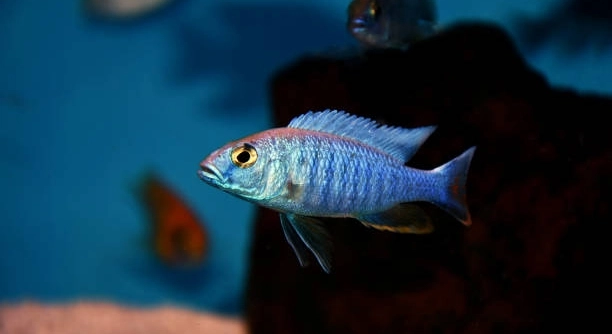
Keeping a cichlid tank clean is important for the health of your fish. Regular maintenance helps prevent the buildup of waste and harmful bacteria that can affect water quality. Many hobbyists seek the right balance for cleaning frequency.
Cichlid tanks should be cleaned at least once every two weeks, with partial water changes done weekly. Regular gravel vacuuming and filter maintenance are essential to maintain water parameters and prevent toxic buildup, ensuring a stable environment for the fish.
Maintaining a proper cleaning routine supports the well-being of your cichlids and keeps the tank looking its best over time.
Why Regular Cleaning Matters for Cichlid Health
Keeping a cichlid tank clean is crucial to prevent harmful toxins like ammonia and nitrites from building up. These substances come from fish waste, leftover food, and decaying plants. If not removed regularly, they can stress your fish and lead to illness or even death. A clean tank helps maintain stable water conditions, which cichlids need to thrive. Algae growth is also kept under control by cleaning, improving the overall appearance of the tank. Regular water changes and substrate cleaning reduce debris and waste that can cloud the water and affect oxygen levels. In addition, healthy bacteria in the filter break down harmful compounds, but they can only do so if the tank is maintained properly. This balance ensures your fish stay active and show their natural colors. Skipping cleaning sessions often causes water quality to drop quickly, so a consistent schedule is important for long-term success.
Cleaning also helps prevent diseases caused by poor water quality.
Keeping a stable environment through regular cleaning means fewer health problems and less stress for your cichlids, which contributes to their longevity and happiness.
Signs Your Tank Needs Immediate Cleaning
Cloudy water, unpleasant smells, and excessive algae are clear signs your cichlid tank requires immediate cleaning.
When you notice these signs, action is necessary to restore water quality. Cloudy water often indicates excess waste or overfeeding. Algae overgrowth can result from too much light or nutrients, making the tank look unkempt and reducing oxygen levels. Bad odors typically come from decaying organic matter, signaling poor tank maintenance. Fish may also appear sluggish or show signs of stress if the water quality declines. Checking water parameters like ammonia, nitrite, and nitrate levels with a test kit helps confirm when cleaning is urgent. Partial water changes combined with vacuuming the substrate can quickly improve conditions. Cleaning the filter is also important but should be done carefully to avoid disturbing beneficial bacteria. Addressing these issues promptly prevents more serious problems and keeps your cichlids healthy and comfortable in their home.
How to Clean a Cichlid Tank Properly
Cleaning a cichlid tank involves several key steps to maintain a healthy environment. Water changes, substrate vacuuming, and filter maintenance are all necessary to keep the tank balanced and safe.
Start by removing 20-30% of the tank water using a siphon. This helps eliminate dissolved waste without shocking the fish. Next, vacuum the gravel to remove leftover food and debris trapped between the stones. Be gentle to avoid disturbing beneficial bacteria too much. Clean the tank walls with an algae scraper to remove any buildup. Finally, rinse the filter media with old tank water to preserve beneficial bacteria while removing accumulated dirt. Avoid using tap water for rinsing, as chlorine can kill these helpful microbes. Regular maintenance following these steps keeps the tank clean without stressing your cichlids or upsetting the biological balance essential to their health.
Scheduling cleaning every two weeks along with weekly partial water changes creates a sustainable routine that your fish will benefit from.
Best Tools for Cleaning Your Cichlid Tank
Using the right tools makes cleaning easier and more effective. A gravel vacuum, algae scraper, and a bucket dedicated to aquarium use are essential.
A gravel vacuum helps remove waste and detritus without removing too much water. It also allows you to clean the substrate while performing water changes. Algae scrapers or magnetic cleaners are useful for cleaning tank glass or acrylic surfaces without scratching. Soft brushes can help with decorations or hard-to-reach areas, while rinsing filter media requires a gentle touch and old tank water. Avoid household cleaning products, which can leave harmful residues. Using these tools consistently helps maintain water quality and prevents buildup, reducing the risk of disease and keeping your cichlids comfortable in their habitat. Choosing the right equipment also minimizes stress during cleaning, making the process smoother for both you and your fish.
Common Mistakes When Cleaning a Cichlid Tank
Overcleaning can disrupt the beneficial bacteria that keep the tank balanced. Avoid removing too much water or scrubbing filter media too harshly.
Using harsh chemicals or soap on the tank or decorations can harm fish. Always stick to aquarium-safe tools and methods to protect your cichlids.
How Often to Change the Filter Media
Filter media should be replaced or rinsed every 3 to 4 weeks, depending on the tank size and bio-load. Avoid replacing all media at once to maintain beneficial bacteria. Rinse media gently in old tank water to preserve these bacteria, which are crucial for breaking down waste and keeping water safe.
Impact of Overfeeding on Tank Cleanliness
Feeding your cichlids too much leads to leftover food, which decomposes and pollutes the water. This makes cleaning more difficult and can cause rapid water quality decline. Feeding the right amount helps reduce waste buildup and keeps the tank cleaner for longer.
Setting a Cleaning Schedule
A consistent cleaning schedule supports stable water conditions and fish health. Marking bi-weekly cleanings and weekly water checks helps maintain the tank efficiently.
FAQ
How often should I change the water in my cichlid tank?
Water should be partially changed weekly, usually around 20-30%. This helps remove waste and toxins while keeping the environment stable. Full water changes are not recommended because they can stress fish and disrupt beneficial bacteria. Regular partial changes maintain water quality without causing shock.
Can I clean the tank more often than every two weeks?
Cleaning more often is possible but usually not necessary if you keep up with weekly water changes and proper feeding. Overcleaning can disturb beneficial bacteria and stress fish. If the tank is very small or heavily stocked, cleaning may need to be more frequent. Always monitor water quality to decide.
What happens if I clean the filter media with tap water?
Tap water contains chlorine, which kills beneficial bacteria living in the filter. These bacteria break down harmful waste products. Using tap water can reduce these populations, causing ammonia and nitrite levels to rise. Instead, rinse filter media gently with old tank water to keep the bacteria alive.
How do I know if my tank is overstocked?
If water quality declines quickly despite regular cleaning, or fish appear stressed or aggressive, your tank may be overstocked. Overstocking increases waste and reduces oxygen levels. Generally, one inch of fish per gallon is a rough guideline, but cichlids need more space because they produce more waste.
Is it safe to use chemical algae removers?
Chemical algae removers should be used with caution, as they can harm fish and beneficial bacteria if overdosed. Mechanical removal through scraping is safer and more effective. If algae become a frequent problem, review lighting and feeding habits rather than relying on chemicals.
What is the best way to clean decorations and plants?
Use a soft brush or sponge to clean decorations during water changes. Avoid soap or detergents. For artificial plants, rinsing with old tank water is sufficient. Live plants may need trimming rather than cleaning. Always handle decorations carefully to avoid damaging beneficial bacteria.
Can I clean the tank while the fish are inside?
Yes, it is common to clean the tank with fish inside, but avoid drastic changes that could stress them. Partial water changes and gentle substrate vacuuming can be done while fish remain in the tank. Avoid sudden temperature shifts or removing large amounts of water at once.
How much food should I give my cichlids to avoid excess waste?
Feed only what your cichlids can eat within 2-3 minutes once or twice a day. Overfeeding causes leftover food that pollutes the water and increases cleaning needs. Observing your fish during feeding helps you adjust amounts correctly.
Can poor water quality cause disease in cichlids?
Yes, poor water quality weakens fish immune systems, making them vulnerable to infections and parasites. Regular cleaning and water changes reduce harmful toxins and create a healthier environment. Early detection of water issues can prevent costly treatments.
What tools do I need for tank maintenance?
A gravel vacuum, algae scraper or magnetic cleaner, a bucket used only for the tank, and test kits for water parameters are essential. These tools make cleaning efficient and help monitor tank health. Avoid household cleaning supplies to prevent contamination.
How do I test water quality effectively?
Use aquarium test kits to measure ammonia, nitrite, nitrate, pH, and hardness regularly. Testing helps catch problems early before fish are affected. Many kits are simple to use and provide accurate results. Keeping a log of results can help identify trends or issues.
Why is substrate vacuuming important?
Vacuuming removes uneaten food, fish waste, and other debris trapped in the gravel or sand. This prevents harmful bacteria growth and helps keep water clear. Doing it during partial water changes reduces disturbance to beneficial bacteria and keeps the tank cleaner longer.
Can I skip cleaning if I have live plants?
Live plants help absorb some waste, but they do not replace the need for regular cleaning. Plants can reduce nitrate levels but don’t eliminate ammonia or fish waste entirely. Cleaning and water changes remain necessary for a healthy tank.
How do temperature and lighting affect tank cleanliness?
High temperatures speed up fish metabolism, increasing waste production. Excessive lighting encourages algae growth. Managing these factors by keeping stable temperatures and controlling light duration helps reduce cleaning frequency and maintain water quality.
Maintaining a clean cichlid tank is an essential part of keeping your fish healthy and happy. Consistent cleaning helps control harmful waste products that can build up quickly in an enclosed environment. It also supports the growth of beneficial bacteria that naturally break down toxins. Regular partial water changes, vacuuming the substrate, and caring for the filter create a balanced ecosystem where cichlids can thrive. Skipping these steps can lead to poor water quality, which stresses fish and may cause illness. Keeping to a proper cleaning schedule helps avoid these problems and keeps the tank environment stable and safe.
Understanding the needs of your specific cichlid species can also make a big difference in how you care for the tank. Different cichlids produce varying amounts of waste and have unique behaviors that affect tank maintenance. Paying attention to signs like cloudy water, excess algae, or unusual fish behavior can alert you when cleaning is needed more urgently. Tools such as water testing kits and gravel vacuums make it easier to monitor and maintain good conditions. Using gentle cleaning methods preserves helpful bacteria and reduces stress on the fish. With the right routine, your cichlid tank will stay clear and vibrant, allowing your fish to display their best colors and behaviors.
Finally, patience and consistency are key. Cleaning a cichlid tank does not have to be overwhelming if done regularly and properly. Small, steady steps like weekly water changes and bi-weekly substrate cleaning keep problems from building up. Avoid harsh chemicals or overly aggressive cleaning, which can harm the tank’s delicate balance. Instead, focus on creating a healthy environment through gradual maintenance. Over time, this approach will result in a thriving tank where your cichlids enjoy a long and comfortable life. Staying organized and following a routine helps keep the tank in great condition and makes the hobby more rewarding overall.

Hello,
If you enjoy the content that we create, please consider saying a "Thank You!" by leaving a tip.
Every little bit helps us continue crafting quality advice that supports the health, happiness, and well-being of pets around the world, for pets of all shapes, sizes, and species.
We really appreciate the kindness and support that you show us!