
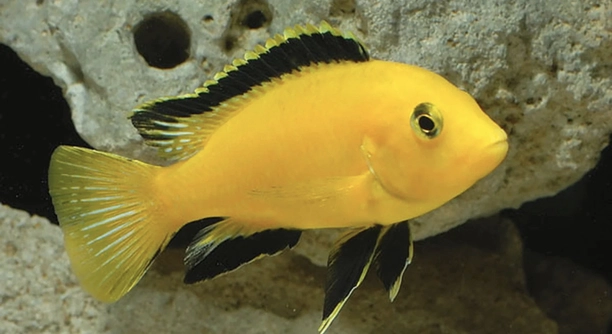
African cichlids are popular freshwater fish known for their vibrant colors and diverse behaviors. Crossbreeding these fish is a practice some enthusiasts explore to create unique hybrids. This process can affect their appearance and genetics in interesting ways.
When African cichlids crossbreed, their offspring often display mixed physical traits and genetic variations that may influence coloration, behavior, and health. Such hybridization can lead to reduced fertility and unpredictable characteristics in future generations.
Exploring how crossbreeding impacts these fish helps hobbyists understand the risks and benefits involved in hybrid cichlid care.
Causes of Crossbreeding in African Cichlids
Crossbreeding African cichlids often happens when different species are kept together in the same aquarium. Many cichlids share similar mating behaviors, which can lead to them spawning with one another. In some cases, hobbyists intentionally place different species together to create new color patterns or traits. However, this can happen accidentally if tank conditions do not prevent interbreeding. The lack of strong species-specific boundaries also contributes to hybridization. Some cichlids may not recognize the differences between their own species and others, which encourages crossbreeding. Environmental factors, such as limited space and absence of hiding spots, can increase the chances of different species pairing up. While crossbreeding may result in unique-looking fish, it can reduce genetic diversity and may weaken the overall health of the population in the long term.
Hybridization mainly occurs due to shared habitats and similar reproductive behaviors among African cichlids.
Crossbreeding creates hybrids that carry a mix of genetic traits from both parent species. This genetic blending may cause offspring to have unexpected coloration or body shapes. Sometimes, hybrids show increased vigor, but often they experience reduced fertility, making it harder for populations to maintain stable numbers. Crossbreeding can also introduce health issues because some genetic combinations are less compatible. Moreover, natural behaviors such as aggression or breeding habits may shift in hybrids, affecting how they interact in the aquarium. It is important to monitor fish carefully if mixing species to avoid unintentional hybridization. Understanding how different cichlid species reproduce and behave helps maintain healthier tanks with clear species lines.
Managing Hybridization Risks
Avoiding crossbreeding requires careful tank management and species selection.
Separate species with overlapping breeding habits to reduce accidental hybrids. Use physical barriers or individual tanks if necessary. Providing enough space and hiding places helps fish choose appropriate mates within their species. Monitoring breeding behavior closely will alert you to unwanted pairings early. When buying new cichlids, research their compatibility and reproductive tendencies. Keeping pure strains improves long-term genetic health and preserves species traits. In cases where hybrids appear, deciding whether to keep or remove them depends on your goals for the aquarium. Maintaining proper water conditions and diet also supports healthy breeding without stress that encourages unusual pairings. Clear planning and attention to the needs of each species are essential for managing hybridization risks effectively.
Effects on Color and Appearance
Crossbreeding can produce offspring with unique color patterns that differ from their parent species. These variations may combine traits in unexpected ways.
Hybrids often show mixed colors that can be brighter or duller depending on genetic dominance. Some cichlids may inherit striking patterns, while others display blotchy or uneven coloring. Physical traits such as fin shape, body size, and markings may also vary from the original species. This diversity can appeal to hobbyists looking for distinctive fish, but it may make identification harder. Over time, hybrid traits may become less predictable, especially with continued crossbreeding.
In some cases, hybrids lose the vivid colors that make purebred African cichlids popular. Genetic mixing can reduce the intensity of specific hues, making fish appear faded. Additionally, differences in body structure may impact swimming efficiency or behavior. While the appearance can be fascinating, it’s important to consider the long-term effects on the fish’s health and vitality.
Impact on Behavior and Compatibility
Hybrid cichlids may behave differently than their parent species, which can affect tank dynamics.
Crossbreeding can alter aggression levels, social structure, and breeding habits. Hybrids sometimes show unpredictable behavior, making it difficult to manage group interactions. They may be less territorial or more aggressive, which can disrupt established community balance. This change can increase stress for both hybrids and purebred fish in the same tank.
Compatibility issues arise when hybrids don’t fit well with other cichlids or species. Adjustments in feeding habits and territoriality may require more careful monitoring. Keeping hybrids separated or in dedicated tanks can help reduce conflicts. Knowing the behavior of both parent species provides some insight, but hybrid traits remain less certain and need close observation.
Genetic Diversity Concerns
Crossbreeding reduces genetic diversity by mixing species that evolved separately. This can weaken the overall gene pool.
When hybrids breed, their offspring may carry less varied genes, increasing the risk of inherited health problems and lowering resilience to disease.
Health Implications of Hybrid Cichlids
Hybrid African cichlids may face more health challenges compared to purebreds. Genetic incompatibilities can cause deformities, lower fertility, or weaker immune responses. Some hybrids may be less adaptable to environmental changes, making them more vulnerable to stress or illness. Careful observation is important to catch any signs of poor health early. Feeding a balanced diet and maintaining stable water conditions can help hybrids live healthier lives, but their long-term wellbeing is less predictable than pure species.
Ethical Considerations in Crossbreeding
Crossbreeding raises ethical questions about preserving natural species and their traits.
FAQ
What happens when African cichlids crossbreed?
When African cichlids crossbreed, their offspring inherit a mix of traits from both parent species. This often results in varied coloration, altered body shapes, and sometimes changes in behavior. Hybrids may have reduced fertility and can show unpredictable genetic combinations that affect their health and long-term viability.
Are hybrid African cichlids healthy?
Hybrids can face more health challenges than pure species. Genetic mixing sometimes causes deformities or weaker immune systems. While some hybrids may be robust, others are more prone to illness and stress. Maintaining good water quality and proper nutrition is essential, but hybrids generally require closer monitoring.
Can crossbreeding harm African cichlid populations?
Yes, crossbreeding can reduce genetic diversity, weakening populations over time. Hybridization may lead to loss of unique species traits and make it harder to maintain purebred lines. This is a concern in both aquariums and natural habitats where hybrids could spread.
How can I prevent crossbreeding in my tank?
To avoid crossbreeding, keep species that breed differently apart. Use separate tanks or barriers if needed. Provide enough space and hiding spots so fish can choose mates within their own species. Monitor breeding behavior regularly and research species compatibility before mixing.
Do hybrids behave differently than purebred cichlids?
Yes, hybrids may show altered aggression, social patterns, or breeding habits. Their behavior can be unpredictable, affecting tank harmony. Some may be more aggressive, while others are less territorial. It’s important to observe hybrids carefully and adjust tank conditions as needed.
Are hybrid African cichlids easier to care for?
Not necessarily. Hybrids may have unique needs or health issues, making care more challenging. Their unpredictable genetics can affect how they respond to water conditions and diet. Pure species often have more established care guidelines, while hybrids require closer attention.
Can hybrids reproduce successfully?
Many hybrids have reduced fertility or are sterile. Some can reproduce but may produce weaker offspring with more health problems. Hybrid breeding often complicates efforts to maintain stable, healthy populations in captivity.
Why do some people crossbreed African cichlids?
Some aim to create unique color patterns or interesting traits. Crossbreeding can result in fish that look different from standard species. However, this practice may sacrifice health and genetic diversity, so it requires careful thought.
Is it possible to identify hybrids easily?
Identifying hybrids can be difficult because they often show mixed traits from both parents. Color, fin shape, and behavior may differ from pure species. Over time, hybrid characteristics can become more varied and less recognizable.
What should I do if I end up with hybrids in my tank?
Decide if you want to keep or remove them based on your goals. If maintaining pure species is important, removing hybrids helps preserve genetics. If hybrids are kept, separate them to avoid affecting purebred fish. Monitor their health and behavior closely.
Do hybrids have a shorter lifespan?
Lifespan varies. Some hybrids live as long as pure species, while others may have shorter lives due to health issues. Good care and stable environments improve survival, but unpredictable genetics make lifespan less certain.
Are hybrids accepted in cichlid breeding communities?
Opinions vary. Some appreciate hybrids for their unique looks, while others focus on preserving pure species and natural traits. Breeders aiming for conservation usually avoid hybridization to maintain genetic integrity.
Can hybrids affect natural ecosystems if released?
Yes. If hybrids escape or are released, they can disrupt native populations by competing for resources or breeding with wild species. This may reduce genetic purity and harm local ecosystems.
How does crossbreeding affect cichlid aggression?
Hybrids may have different aggression levels, either increased or decreased. This change can impact tank dynamics, leading to more fights or unexpected social behaviors. It’s important to observe and manage aggression to keep fish safe.
Is hybrid cichlid care more expensive?
Potentially. Health issues and unpredictable behavior can increase costs for medication, special diets, or tank adjustments. Preventing hybridization in the first place can reduce these risks.
Can I breed hybrids intentionally to sell?
Some do, but it requires knowledge and care. Selling hybrids may attract buyers interested in unique fish but comes with ethical and health responsibilities. Being transparent about hybrid status is important.
What are the benefits of keeping purebred African cichlids?
Purebreds maintain natural species traits, predictable behavior, and generally better health. They help preserve genetic diversity and support conservation efforts. Their care requirements are usually well understood.
Can hybrids ever be as beautiful as pure species?
Yes, some hybrids display striking colors or patterns. However, this beauty may come with trade-offs in health or behavior. Beauty alone doesn’t guarantee a good long-term addition to your aquarium.
How do I learn more about specific African cichlid species?
Research books, reputable websites, and aquarium societies focused on cichlids. Joining local clubs or online forums can provide firsthand advice and experience from other hobbyists.
Should I try to reverse hybridization once it happens?
It’s difficult to reverse hybridization once hybrids breed among themselves. The best approach is prevention and maintaining pure species lines separately.
Are there any hybrids recommended for beginners?
Usually, pure species are better for beginners because their care is more predictable. If keeping hybrids, beginners should be prepared for extra attention to health and behavior issues.
What’s the best way to enjoy African cichlids without crossbreeding risks?
Keep species separate, maintain proper tank conditions, and research thoroughly before mixing. Respecting each species’ natural breeding habits supports healthier fish and a more stable aquarium.
Crossbreeding African cichlids can lead to interesting and unique fish with mixed colors and traits. However, it also brings challenges that are important to understand. When different species mate, their offspring may have unpredictable characteristics, including changes in behavior, appearance, and health. These hybrids might not live as long or be as strong as purebred cichlids. For those who care about maintaining species purity or breeding healthy fish, crossbreeding may not be the best option. It is important to weigh the benefits of variety against the potential risks to the fish’s wellbeing.
Managing crossbreeding requires careful planning and attention. Keeping different species separate or providing physical barriers in the aquarium can help prevent accidental hybridization. Proper tank setup with enough space and hiding spots allows fish to interact naturally within their species. Monitoring fish behavior and breeding patterns closely can alert you early if hybridization is happening. For anyone serious about cichlid care, understanding the needs of each species and their compatibility is key to maintaining a healthy and balanced tank. Avoiding unplanned crossbreeding helps preserve the genetic traits that make African cichlids special.
At the same time, crossbreeding is a reality in many home aquariums and can offer some benefits for hobbyists interested in unique fish. It is essential to be aware of the long-term impacts, such as reduced fertility and possible health issues in hybrids. Careful consideration and informed choices can minimize negative effects. Whether you decide to keep pure species or experiment with hybrids, focusing on proper care and tank management will lead to better outcomes. Respecting the natural traits of African cichlids and their needs helps ensure they remain healthy and vibrant companions in your aquarium.

Hello,
If you enjoy the content that we create, please consider saying a "Thank You!" by leaving a tip.
Every little bit helps us continue crafting quality advice that supports the health, happiness, and well-being of pets around the world, for pets of all shapes, sizes, and species.
We really appreciate the kindness and support that you show us!