
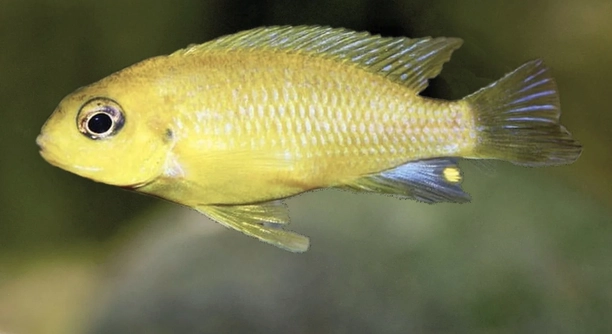
Are your cichlids mostly active only when it is feeding time? Many fish owners notice this behavior and wonder why their cichlids seem inactive otherwise. This pattern can be common in home aquariums with these colorful fish.
Cichlids show increased activity after feeding because their natural behavior revolves around foraging and food competition. When food is present, they become more alert and energetic, while resting or conserving energy at other times.
Understanding why your cichlids act this way helps improve their care and environment, creating a healthier, more engaging aquarium experience for both you and your fish.
Why Cichlids Are Less Active Outside Feeding Time
Cichlids naturally conserve energy by resting when food is not immediately available. In the wild, they spend a lot of time hiding among rocks or plants to avoid predators. This behavior carries over into aquariums. When they detect food, their instincts trigger more movement and competition. Their bursts of activity are linked directly to feeding rather than constant movement. This makes sense because swimming all day without purpose uses up energy that could be better spent on growth and health. Tank size, water temperature, and environment also influence how much they move. In smaller or less stimulating tanks, cichlids might appear less active overall. They are more likely to show natural behaviors like territorial defense or courtship if their surroundings meet their needs. So, it’s normal to see quiet periods where cichlids rest and save energy for feeding times.
This resting behavior helps cichlids maintain energy balance and reduces stress, contributing to their overall well-being in captivity.
Knowing this can help you create a tank setup that encourages more natural movement during the day, even outside feeding.
How to Encourage More Activity in Your Cichlids
Adding more hiding spots and varying the tank environment can encourage cichlids to explore more.
Providing an environment that mimics their natural habitat with rocks, plants, and caves stimulates their curiosity. When the tank feels safe and interesting, they spend less time hiding and more time swimming. Adjusting feeding schedules slightly also helps maintain steady activity. Instead of one big meal, several smaller feedings spread throughout the day keep cichlids alert and engaged longer. Changing the diet by adding live or frozen food can encourage natural hunting behaviors, increasing movement. It is important to keep the water quality optimal, as poor conditions make fish lethargic. Proper filtration and regular water changes ensure a healthy space. By combining these steps, you can support your cichlids’ natural instincts and promote healthier, more consistent activity levels beyond just feeding times.
Feeding Habits and Activity Patterns
Cichlids are naturally opportunistic feeders, which means they become active when food is present and conserve energy otherwise. Their activity peaks during feeding times.
Their feeding habits are shaped by their natural environment. In the wild, food is not always plentiful, so cichlids have adapted to eat quickly when food appears. This creates a burst of movement and alertness during feeding. Outside these moments, they remain calm or hidden to avoid predators and save energy for essential functions. In captivity, this instinct remains strong, so your fish’s activity will rise mainly during feeding.
Understanding this natural rhythm can help you plan feeding schedules and tank maintenance around their active periods, improving your care routine.
Tank Environment’s Role in Cichlid Behavior
Tank size and layout have a direct impact on cichlid activity levels.
A spacious tank with plenty of hiding spots encourages natural behaviors like exploration and territory establishment. If the tank is too small or lacks structure, fish may feel stressed and hide more, reducing visible activity. Proper lighting and stable water conditions also affect their energy. Bright, consistent lighting supports a normal day-night cycle, promoting regular activity. Meanwhile, frequent water changes and good filtration keep them healthy and more likely to be active. Adjusting these environmental factors improves not only how much your cichlids move but also their overall well-being.
Impact of Water Temperature on Activity
Water temperature influences cichlid metabolism and movement. Cooler water slows their activity, while warmer water speeds it up within safe limits.
Maintaining a consistent temperature appropriate for your cichlid species supports regular activity. Sudden changes can cause stress and lethargy, reducing movement and feeding interest.
Signs of Stress Affecting Activity
Stress in cichlids often causes reduced activity and hiding. Poor water quality, overcrowding, or aggressive tank mates can trigger this.
Identifying and addressing stressors promptly helps restore normal behavior and activity levels, ensuring healthier fish.
Feeding Frequency and Its Effects
Feeding your cichlids more frequently in smaller amounts can keep them more active throughout the day.
This approach mimics natural foraging and prevents long inactive periods caused by a single large feeding.
Monitoring Activity Changes
Keep track of your cichlids’ normal activity patterns to detect any unusual changes early. This helps catch potential health or environment issues before they worsen.
FAQ
Why are my cichlids inactive most of the day?
Cichlids naturally conserve energy by resting when they are not feeding or defending territory. This behavior helps them survive in the wild by avoiding unnecessary movement that could expose them to predators. In an aquarium, they still follow this instinct. If the tank environment is small or lacks stimulation, cichlids may appear less active because they feel less need to explore.
Is it normal for cichlids to be active only at feeding time?
Yes, it is normal. Cichlids are opportunistic feeders that respond strongly to the presence of food. Their activity increases when food is available as they compete and forage. Between meals, they rest to save energy, which can make them seem inactive or less lively outside feeding periods.
How can I encourage my cichlids to be more active throughout the day?
To promote activity, add hiding spots and decorations like rocks, plants, and caves to your tank. These create a more natural environment that encourages exploration. Also, feeding smaller amounts multiple times a day instead of one large feeding can keep your cichlids alert and moving more consistently.
Can water temperature affect cichlid activity?
Yes, water temperature directly affects cichlid metabolism. Cooler water slows their activity, making them less energetic, while water that is too warm can stress them and also reduce activity. Maintaining a stable temperature suitable for your cichlid species helps keep them healthy and active.
What role does tank size play in cichlid behavior?
Tank size influences how much room cichlids have to swim and establish territories. Smaller tanks limit movement and may cause stress, reducing activity. A larger, well-structured tank encourages natural behaviors like exploration and territorial displays, increasing overall activity.
Could stress be the reason my cichlids are inactive?
Yes, stress can cause cichlids to hide and move less. Stress sources include poor water quality, overcrowding, aggressive tank mates, or sudden changes in the environment. Identifying and fixing these problems usually restores their normal behavior.
How important is water quality for cichlid activity?
Water quality is crucial. Poor water conditions can make cichlids lethargic and sick. Regular water changes, proper filtration, and monitoring parameters like pH and ammonia keep the fish healthy and active.
Are there specific foods that encourage more movement in cichlids?
Feeding live or frozen foods like brine shrimp or bloodworms encourages natural hunting behaviors, which can increase activity. These foods stimulate their instincts more than dry flakes or pellets alone.
What should I do if my cichlids suddenly become inactive?
Sudden inactivity can signal illness, stress, or poor water conditions. Test the water, check for signs of disease, and observe tank dynamics for aggression or overcrowding. Prompt action can prevent further health problems.
Is it normal for some cichlid species to be less active than others?
Yes, activity levels vary by species. Some cichlids are naturally more territorial and active, while others are more sedentary. Research your specific species to understand their typical behavior.
Can lighting affect my cichlids’ activity?
Proper lighting supports natural day-night cycles, which influence fish activity. Bright, consistent light during the day and darkness at night help maintain regular behavior. Too much or too little light can cause stress and reduce activity.
How often should I feed my cichlids to maintain their activity?
Feeding small portions two to three times daily helps maintain steady activity. This mimics natural foraging and avoids long periods of inactivity caused by a single large meal.
What signs indicate my cichlids are healthy and active?
Healthy cichlids swim confidently, explore their environment, and respond quickly during feeding. Their colors are vibrant, and they show normal social behaviors like displaying or defending territory without excessive hiding.
Can tank mates influence cichlid activity?
Yes, compatible tank mates can encourage natural behaviors, while aggressive or overly shy companions may stress cichlids and reduce activity. Choose species that match your cichlids’ temperament to promote a balanced environment.
How does breeding behavior affect activity levels?
During breeding, cichlids become highly active, defending nests and courting partners. Outside this period, their activity might drop as they rest. Observing these patterns helps understand normal fluctuations in movement.
Final Thoughts
Cichlids are naturally more active when they have food to eat. This behavior comes from their instincts in the wild, where they must be alert and quick to find and compete for food. At other times, they conserve energy by resting or hiding. This rest period is normal and helps them stay healthy and strong. It is important to remember that your aquarium environment can influence how much they move throughout the day.
Creating a comfortable tank setup with enough space, hiding spots, and proper water conditions can encourage your cichlids to be more active. When their environment feels safe and natural, they are more likely to explore, establish territory, and interact. Feeding smaller amounts several times a day instead of one big meal can also help keep their energy up and reduce long inactive periods. These small changes can make a noticeable difference in how lively your fish appear.
Regular care and observation are key to maintaining your cichlids’ health and activity. Monitoring water quality, tank conditions, and their behavior allows you to catch potential problems early. Stress, poor water quality, or illness can cause inactivity, so addressing these factors is important. Understanding why your cichlids behave this way helps you provide better care and enjoy a more vibrant aquarium. With the right attention and environment, your cichlids can be healthy and show more natural activity beyond feeding times.

Hello,
If you enjoy the content that we create, please consider saying a "Thank You!" by leaving a tip.
Every little bit helps us continue crafting quality advice that supports the health, happiness, and well-being of pets around the world, for pets of all shapes, sizes, and species.
We really appreciate the kindness and support that you show us!