
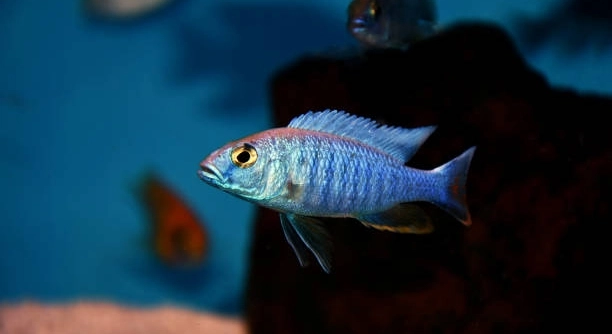
Are your cichlids digging pits at the bottom of their tank? Many fish owners notice this behavior and wonder what it means. Understanding this habit can help you care for your pet better.
Cichlids dig pits primarily to create a safe space for laying eggs or to establish territory. This digging is a natural, instinctive behavior linked to breeding and protection. It also helps them rearrange their environment to feel secure.
Knowing why your cichlid digs can improve your tank setup and keep your fish comfortable. The following information will explain the reasons behind this behavior and how to support your pet’s needs.
Why Cichlids Dig Pits
Cichlids often dig pits because it is a natural behavior tied to their instincts. They create these pits to prepare a place for laying eggs and protecting their young. In the wild, cichlids use pits to establish a breeding territory and keep their eggs safe from predators. Even in a tank, this instinct remains strong. The digging also helps them feel more secure by shaping their environment. Sometimes, they move gravel or sand around simply to explore or claim their space. Watching them dig can give clues about their health and comfort. If your cichlid is digging more than usual, it may be a sign that they want to breed or feel stressed. Understanding this behavior helps you provide a better environment. Proper substrate and tank setup encourage natural digging without causing damage or stress to the fish.
Cichlid digging is mostly about reproduction and territory control.
Providing the right environment with enough space and soft substrate supports their natural digging habits. Clean tank water and a quiet area reduce stress, helping the fish feel safe. If you want to encourage breeding, creating separate spaces or adding flat rocks can assist with egg laying. Avoid overcrowding to give them room for their digging activities. Watching their behavior regularly can help you notice signs of aggression or discomfort linked to pit digging. Maintaining a stable environment with proper feeding and tank conditions keeps your cichlids healthy and active. This way, their digging will be a natural part of their behavior without causing harm or disturbance in the tank. Understanding these needs makes caring for cichlids easier and more rewarding.
How to Manage Pit Digging in Your Tank
Pit digging can sometimes cause mess in your tank. It may scatter gravel or disturb plants. However, this behavior is natural and not usually harmful. You can manage it by using heavier or larger substrate materials that are harder to move.
Keeping the substrate stable reduces excessive digging and keeps the tank tidy. Adding flat rocks or decorations gives your cichlid places to dig without disturbing the entire tank. If you notice aggression linked to pit digging, consider adjusting the tank layout or separating fish. Avoid constant changes, as this can increase stress and digging behavior. Observing your fish’s habits lets you find the right balance between natural digging and tank cleanliness. This way, your cichlids can express their instincts while you keep their environment healthy and neat. Regular maintenance, proper tank size, and thoughtful decoration help manage pit digging effectively.
Signs Your Cichlid Is Preparing to Breed
Cichlids dig pits mostly when they are ready to breed. They clear a flat area to lay eggs, which they guard carefully. This is a strong natural instinct seen in many species.
Before spawning, cichlids become more active around the pit. They may clean the area repeatedly and show territorial behavior by chasing other fish away. Males often defend the pit, while females may stay close by. You might notice changes in color or increased aggression. The fish use the pit to protect their eggs and fry once laid. This digging signals a healthy reproductive cycle and shows your cichlid feels safe in its environment. Monitoring these behaviors helps in understanding their breeding readiness and providing the right support during this phase.
After eggs are laid, the parents guard the pit aggressively. They may continue to dig or rearrange the substrate to keep eggs safe. This digging also helps oxygenate the eggs by moving water around them. Understanding this behavior is essential to avoid disturbing the fish during this sensitive time.
Environmental Factors Affecting Digging Behavior
Substrate type greatly influences digging in cichlids. Soft sand or fine gravel allows easier digging compared to hard or sharp materials. Choosing the right substrate encourages natural behaviors while protecting fish health.
Water quality and temperature also impact digging. Poor water conditions can increase stress, causing excessive digging or destructive behaviors. Keeping stable, clean water reduces unnecessary digging. Light levels and tank decorations affect their sense of security. A well-decorated tank with hiding spots lowers stress and digging linked to fear. Overcrowding can increase competition for space and lead to more digging as fish claim territory. Monitoring and adjusting environmental factors helps balance natural digging behavior with overall tank health, keeping your cichlid comfortable and active.
Common Mistakes That Cause Excessive Digging
Using the wrong substrate can make digging more destructive. Sharp gravel or stones may hurt your cichlid’s mouth and fins.
Overcrowding the tank often leads to more digging as fish compete for space and territory, increasing stress and aggression.
How to Provide a Better Digging Environment
Choose soft sand or fine gravel as substrate to allow safe digging. Provide plenty of hiding spots and flat surfaces for your cichlid to claim. Keep the tank clean and maintain stable water conditions. Avoid overcrowding by limiting the number of fish in the tank. These steps help reduce stress and encourage natural, healthy digging behaviors without damage or excessive mess.
When to Be Concerned About Digging
If your cichlid digs constantly with signs of stress or injury, it may indicate a problem. Watch for fin damage, loss of appetite, or aggression toward tank mates.
FAQ
Why does my cichlid keep digging even though there are no eggs?
Cichlids dig not only to prepare for breeding but also to explore their environment or establish territory. Sometimes digging helps them relieve boredom or stress. If the tank lacks hiding spots or enrichment, they might dig more frequently. Ensuring a well-decorated tank with enough space and places to hide can reduce unnecessary digging.
Is pit digging harmful to my cichlid?
Digging itself is a natural and healthy behavior for cichlids. However, excessive digging can cause injury if the substrate is too sharp or if they knock into decorations or tank walls. It can also disturb plants or cause cloudiness in the water. Providing a soft substrate and stable decorations helps protect your fish and tank environment.
Can digging be a sign of stress or illness?
Yes, digging can sometimes signal stress or discomfort. Changes in water quality, overcrowding, or poor diet might cause a cichlid to dig more aggressively or nervously. If digging is accompanied by other signs like loss of appetite, lethargy, or damaged fins, it’s important to check water parameters and tank conditions to find the cause.
How do I know if my cichlid is ready to breed?
When preparing to breed, cichlids become very focused on digging and cleaning a pit. They will chase away other fish and guard the area closely. Color changes or increased activity around the pit are common signs. Females often show a rounder belly as eggs develop. Observing these behaviors helps you recognize breeding readiness.
Should I change the substrate to stop digging?
Changing to a softer substrate like sand can reduce damage but won’t stop digging because it’s an instinctive behavior. Instead of stopping digging, aim to provide a substrate that is safe for your cichlid. This lets them express their natural behavior without harm to themselves or your tank.
Can pit digging damage my aquarium plants?
Yes, digging can uproot or damage plants, especially those with shallow roots. If you want to keep plants, choose species with strong roots or place plants in pots to protect them. Alternatively, add more decorations or rocks to redirect digging away from fragile areas.
How do I keep the tank clean with a digging cichlid?
Regular water changes and vacuuming the substrate help manage debris stirred up by digging. Using a filter with strong circulation clears cloudiness faster. Avoid overcrowding and feed properly to reduce excess waste. Keeping the tank clean improves water quality and reduces stress from digging.
Does digging increase aggression in cichlids?
Digging itself doesn’t cause aggression, but it can be part of territorial behavior. When a cichlid digs to claim an area, it may chase other fish away. If the tank is crowded, this can lead to fights. Providing enough space and hiding spots helps reduce conflicts linked to digging.
How often should I monitor my cichlid’s digging behavior?
Regular observation is important. Watching your fish daily helps you notice changes in digging habits, health, or tank conditions. Early detection of stress or illness makes it easier to address problems quickly. Tracking behavior also helps you understand your cichlid’s needs better.
Can adding more cichlids reduce digging?
Adding more fish usually increases competition and digging, not reduce it. Cichlids are territorial and often dig to defend space. It’s better to give each fish enough room rather than crowding the tank, which can worsen digging and aggression.
Are all cichlids diggers?
Most cichlid species dig to some extent, especially those from sandy or rocky habitats. However, the intensity and reasons vary between species. Some may dig mainly for breeding, while others do it for territory or exploration. Knowing your specific species helps in managing their digging behavior.
What substrate depth is best for digging cichlids?
A substrate depth of 2 to 3 inches is usually enough for digging. This allows cichlids to move material and create pits without disrupting the tank’s stability. Too shallow a substrate limits their natural behavior, while too deep can cause water quality issues if not maintained properly.
How do I prevent my cichlid from digging up eggs from other fish?
Cichlids can be aggressive during breeding and may disturb other fish’s eggs. Separating breeding pairs or using breeding tanks prevents conflicts. Providing plenty of hiding spots and territories helps reduce competition and protects eggs from being dug up or eaten.
Is it okay to discourage digging by adding heavy decorations?
Heavy decorations can limit digging areas, but they shouldn’t remove all space for this behavior. Digging is natural, and suppressing it completely can cause stress. Balance the tank with some stable areas to dig and enough decorations to protect plants and keep the tank organized.
Cichlids digging pits is a natural and important behavior. It mainly helps them prepare for breeding and claim territory. Understanding this helps fish owners support their cichlids’ needs better. Rather than trying to stop the digging completely, it’s best to provide a safe environment where your fish can dig comfortably. Using soft substrate like sand and arranging decorations carefully lets them express their instincts without causing harm to themselves or the tank. Watching their digging behavior can also give clues about their health and mood.
Creating the right tank setup plays a big role in managing digging. Overcrowding or poor water conditions can make digging more frequent and stressful for the fish. Keeping the tank clean, stable, and roomy reduces stress and aggressive digging. Adding hiding spots and flat surfaces helps cichlids feel secure and limits damage to plants and decorations. If your cichlid is digging a lot, it may be a sign that they want to breed or are marking territory. Providing enough space and proper conditions supports their natural habits and keeps the aquarium balanced.
If digging ever seems excessive or is linked with signs of stress or injury, it’s important to check the tank’s environment. Make sure the water is clean, the substrate is safe, and that your cichlid isn’t overcrowded or competing too much with other fish. Understanding why your cichlid digs and how to support this behavior can improve both your fish’s well-being and your enjoyment of the aquarium. By offering a comfortable and natural setting, you help your cichlids thrive while keeping your tank healthy and peaceful.

Hello,
If you enjoy the content that we create, please consider saying a "Thank You!" by leaving a tip.
Every little bit helps us continue crafting quality advice that supports the health, happiness, and well-being of pets around the world, for pets of all shapes, sizes, and species.
We really appreciate the kindness and support that you show us!