
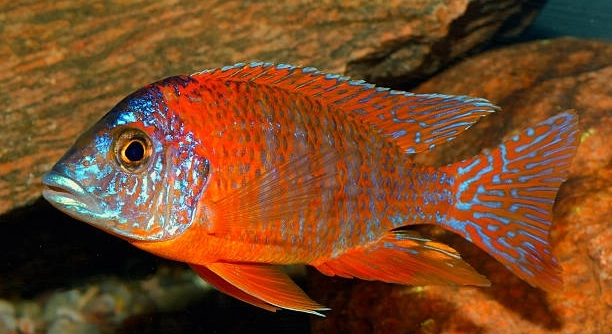
African cichlids are colorful freshwater fish known for their active behavior and unique habits. One common behavior observed is rubbing their bodies against rocks in their tanks or natural environments. This action often catches the attention of aquarium enthusiasts and fish lovers alike.
The primary reasons African cichlids rub on rocks include removing parasites, aiding in skin shedding, marking territory, relieving irritation, cleaning their scales, strengthening their jaws, and communicating with other fish. These behaviors serve important health and social functions.
Understanding why these fish engage in this rubbing behavior can improve tank care and fish health. This article will explain the seven key reasons behind this common activity.
Parasite Removal and Skin Health
African cichlids often rub on rocks to help remove parasites and dead skin. This natural behavior helps keep their bodies clean and healthy. Parasites like external worms or tiny crustaceans can irritate their skin, causing discomfort. By rubbing against rough surfaces, the fish can scrape off these unwanted hitchhikers. This also aids in shedding old skin layers, allowing new, healthy skin to form underneath. Maintaining good skin health is essential for these fish, as it prevents infections and promotes overall well-being. Regular rubbing is a sign that the fish is trying to take care of itself. However, excessive rubbing might indicate a serious skin problem or infection, which requires attention. Keeping water clean and monitoring fish behavior can help reduce parasite issues and support healthy skin maintenance. Rocks and rough surfaces in the tank provide a natural tool for the fish to use in this self-cleaning process.
Rubbing helps cichlids maintain skin health by removing parasites and shedding old skin layers naturally.
Providing the right environment with clean water and textured surfaces supports this important behavior and keeps cichlids comfortable and healthy.
Territory Marking and Communication
Territorial behavior is common among African cichlids, and rubbing on rocks serves as a way to mark their space. These fish use scent and physical contact to communicate ownership and dominance to others. By rubbing their bodies on rocks, cichlids leave chemical markers from their skin glands. These signals tell other fish to keep away or recognize the boundaries of their territory. This behavior helps reduce conflicts and maintain social order within the tank or their natural habitat. Territory marking is especially important during breeding seasons, when fish become more protective of their space. Understanding this behavior helps in designing tanks with enough hiding spots and boundaries to reduce stress. Tank setups that mimic natural environments with plenty of rocks encourage healthy social interactions and make the fish feel secure. Recognizing rubbing as a form of communication helps owners better interpret their cichlids’ needs.
Relieving Irritation and Discomfort
When African cichlids feel irritation from minor injuries or irritants in the water, they rub on rocks for relief. This action helps soothe itchy or inflamed areas by applying pressure to their skin.
The rubbing motion can reduce discomfort caused by small cuts, scrapes, or swelling. It works similarly to how humans might scratch an itch or gently massage sore muscles. Fish also use this behavior to deal with irritants like algae or leftover food particles stuck on their bodies. If rubbing increases significantly, it might indicate poor water quality or illness. Monitoring tank conditions and keeping water clean can reduce these irritations. Adding smooth rocks helps provide a safe surface for this behavior without harming the fish.
Rubbing offers a natural way for cichlids to manage mild skin irritation, but persistent rubbing signals a need to check tank health and water quality.
Cleaning Scales and Strengthening Jaws
Rubbing against rocks helps African cichlids clean their scales from dirt and algae buildup. The textured surfaces act like a natural brush, keeping scales clear and shiny. This is important because clean scales improve swimming efficiency and protect the fish from infections.
In addition to cleaning, rubbing can exercise their jaw muscles. Cichlids have strong jaws used for feeding and defending territory. By pressing and rubbing their mouths on rocks, they strengthen these muscles. This daily activity keeps them agile and ready for feeding challenges or social interactions. Providing rocks of different textures encourages this natural jaw exercise. It supports their physical health and helps maintain their vibrant appearance, which is often admired by aquarium owners.
Regular rubbing serves dual purposes: maintaining scale cleanliness and promoting jaw muscle strength, contributing to the fish’s overall vitality.
Stress Relief and Comfort
Rubbing on rocks can help African cichlids relieve stress by providing a calming physical sensation. This behavior often occurs when the fish feel uneasy or threatened in their environment.
The gentle pressure from rubbing mimics a massage, which can lower stress levels. It also helps distract the fish from discomfort or anxiety caused by changes in their surroundings.
Removing Algae and Debris
African cichlids use rocks to clean algae and other debris off their bodies. This keeps their skin healthy and reduces the risk of infections caused by buildup.
Rubbing against rough surfaces acts as a natural cleaning method. It’s especially useful in tanks where algae growth is common, helping the fish stay clean without extra maintenance.
Social Interaction and Display
Rubbing behavior can also be part of social displays among African cichlids. It signals strength and health to other fish in the group.
This action plays a role in establishing hierarchy and showing readiness for breeding or defending territory.
Why do African cichlids rub on rocks more than other fish?
African cichlids have unique behaviors compared to many other fish species. Their tendency to rub on rocks is linked to their natural environment, where rocky substrates are common. They rely on these surfaces for cleaning, parasite removal, and territory marking. Unlike some other fish, cichlids have strong territorial instincts and social structures that make rubbing a key behavior. Rocks serve multiple purposes, helping them maintain health and communicate. Other fish might not have the same needs or environment, so they do not rub as frequently.
Is rubbing a sign of illness in African cichlids?
Rubbing is not always a sign of illness, but excessive rubbing can indicate problems. If a cichlid rubs repeatedly and seems distressed, it could mean parasites, skin infections, or poor water quality. Healthy rubbing is usually occasional and controlled. Sudden changes in rubbing behavior should prompt a water check and inspection for visible parasites or injuries. Early detection and treatment of health issues help prevent worsening conditions. Keeping tanks clean and stable supports their well-being.
Can rubbing damage the fish’s skin?
Generally, rubbing on smooth or appropriately rough rocks does not harm the fish. Cichlids are adapted to interact with these surfaces naturally. However, if rocks are too sharp or have jagged edges, they could cause scratches or injuries. Injured skin can lead to infections if untreated. It is important to provide rocks with safe textures and to observe how the fish interact with their environment. Adjusting tank décor may be needed if rubbing leads to visible damage.
How often do African cichlids need rocks to rub on?
Rocks or similar rough surfaces should always be available in their habitat. This provides continuous access for natural behaviors like cleaning, territory marking, and relieving irritation. Without suitable surfaces, cichlids might show stress or increased health problems. Tank setups that mimic their natural rocky environments are ideal. Different sizes and textures of rocks encourage varied rubbing and exploration. Providing enough space and hiding spots also supports these needs.
Can rubbing behavior indicate breeding readiness?
Yes, rubbing can be part of breeding behavior. During breeding seasons, cichlids become more territorial and active. Rubbing helps mark breeding territories and can signal fitness to potential mates. Some species clean rocks thoroughly before laying eggs. Observing rubbing patterns along with other behaviors, like nest building or chasing, can indicate breeding readiness. Creating an environment with proper rocks and hiding places supports these natural cycles.
What should I do if my cichlid rubs excessively?
Excessive rubbing often means something is wrong. Start by testing water parameters, including ammonia, nitrite, nitrate, and pH levels. Poor water quality is a common cause of skin irritation. Inspect your fish for visible parasites or wounds. Consider quarantining affected fish if infection is suspected. Improving filtration, performing regular water changes, and reducing stressors help recovery. If needed, consult a veterinarian familiar with fish diseases for treatment options. Early action prevents further harm.
Is rubbing related to diet or nutrition?
While rubbing is primarily linked to external factors like parasites and environment, poor nutrition can indirectly affect skin health. A balanced diet rich in vitamins and minerals supports strong skin and immune systems, reducing irritation risks. Deficiencies may weaken the skin, making fish more prone to rubbing behavior. Feeding high-quality food suited to African cichlids’ needs helps maintain their health. Supplements can be considered if advised by an expert.
Can rubbing be a sign of social stress?
Yes, rubbing can increase when cichlids face social stress from overcrowding or aggressive tank mates. Physical contact or constant chasing may irritate their skin, causing them to seek relief by rubbing. Stress weakens their immune system and increases susceptibility to parasites and infections. Providing adequate space, proper hiding places, and compatible tank mates reduces social stress. Careful observation of interactions helps maintain a peaceful environment.
How can I create the best environment for rubbing behavior?
To support rubbing behavior safely, offer a variety of smooth and textured rocks that mimic natural habitats. Ensure rocks have no sharp edges to prevent injuries. Maintain clean, stable water conditions to reduce irritation causes. Provide enough space and hiding spots to minimize stress and territorial conflicts. Using natural décor and regularly monitoring fish behavior allows adjustments to tank setup. This care promotes healthy, natural behaviors in African cichlids.
Is rubbing behavior unique to certain types of African cichlids?
Most African cichlids show rubbing behavior, but the frequency and reasons can vary by species. Some species are more territorial or have thicker skin, influencing how often and why they rub. For example, rock-dwelling species tend to rub more as they interact closely with their environment. Others might rely more on other methods for parasite control or communication. Understanding the specific species’ habits helps tailor tank care and interpret rubbing behavior accurately.
African cichlids rubbing on rocks is a natural behavior with many important reasons behind it. It helps them take care of their skin by removing parasites and dead layers. This rubbing also supports their social lives, as it marks territories and signals other fish. Additionally, it can relieve discomfort or irritation caused by the environment or minor injuries. Understanding this behavior is key to providing the right care and environment for these fish.
Providing a tank with clean water and suitable rocks is important to support the cichlids’ needs. Rocks should have safe textures to avoid injuries but be rough enough for the fish to use effectively. The right setup allows the fish to express natural behaviors and maintain good health. Observing their rubbing patterns can also help spot health or stress issues early. Regular maintenance of the tank and proper feeding will reduce the risks of problems that cause excessive rubbing.
In summary, rubbing on rocks is a healthy and normal part of African cichlids’ daily lives. It plays many roles, from cleaning and health care to communication and comfort. Paying attention to this behavior and the environment it requires will help the fish thrive. Creating a balanced and natural habitat is the best way to keep African cichlids happy and healthy.

Hello,
If you enjoy the content that we create, please consider saying a "Thank You!" by leaving a tip.
Every little bit helps us continue crafting quality advice that supports the health, happiness, and well-being of pets around the world, for pets of all shapes, sizes, and species.
We really appreciate the kindness and support that you show us!