
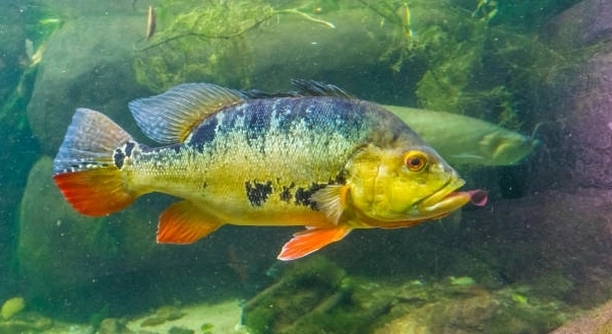
Do you have cichlids in your aquarium and want to understand how they react to mirrors? Observing fish behavior is important for their care and well-being. Mirrors often attract attention, but the effects vary among species.
Cichlids generally respond to mirrors by displaying territorial or aggressive behavior, mistaking their reflection for a rival. This interaction can cause stress or excitement depending on the individual fish and the tank environment. Monitoring their reactions is essential for healthy care.
Learning about these behaviors helps improve your fish’s habitat and reduces potential problems. This article will explain key signs to watch for when using mirrors with cichlids.
How Cichlids React to Their Reflection
When a cichlid sees its reflection in a mirror, it usually thinks there is another fish in its territory. This can cause the fish to act aggressively, trying to defend its space. Some cichlids will flare their fins, change colors, or even attack the mirror. This reaction is natural because cichlids are territorial animals. However, not all cichlids respond the same way. Some may ignore the mirror after a while, while others stay agitated. It is important to watch how your cichlid behaves to avoid unnecessary stress. Prolonged exposure to a mirror can lead to exhaustion or injury if the fish attacks the reflection too much. Using a mirror briefly can be useful to encourage exercise or observe natural behavior, but it should not be left in the tank for long periods.
Mirrors should be used carefully with cichlids to prevent stress or harm.
Watching your fish closely during mirror exposure helps you understand their limits and comfort zones. It can also reveal interesting behaviors that are otherwise hidden. If a cichlid becomes too aggressive or stressed, removing the mirror is best. Some aquarists use mirrors as a tool for short-term stimulation, but it is not recommended for all fish. Knowing when and how to use a mirror will keep your cichlid healthy and balanced. Observing their reactions can also help with tank arrangements by identifying which fish are more territorial or anxious.
Signs That Your Cichlid Is Stressed by a Mirror
Stress in cichlids caused by mirror exposure can show in several ways. Common signs include excessive aggression, hiding, loss of appetite, or rapid breathing. If these symptoms appear, it is best to remove the mirror immediately to reduce the fish’s stress. Watching for these signs can protect your cichlid’s health.
Stress caused by mirror exposure can affect cichlids physically and mentally. Aggressive behavior is the most visible sign, but over time, it can weaken the fish’s immune system. Hiding and refusing food may follow, indicating discomfort. Some cichlids become lethargic or show damaged fins if they attack the mirror repeatedly. Recognizing these signs early allows for timely intervention. Avoid leaving mirrors in tanks with sensitive or shy species. Instead, provide plenty of hiding spots and a calm environment. Balancing stimulation and rest is key to maintaining a healthy cichlid. Consistent observation and care improve the overall tank atmosphere, keeping your fish active and stress-free.
How Often Should You Use Mirrors for Cichlids?
Using mirrors occasionally is best to avoid stressing your cichlids. Short sessions of five to ten minutes once or twice a week are usually enough.
Brief mirror exposure can stimulate cichlids to exercise and show natural behaviors. Too much time spent with a mirror can cause prolonged aggression and fatigue. Monitoring how your fish reacts during these sessions is important. If the cichlid shows signs of distress, reduce the time or stop using the mirror altogether. Mirrors are not a substitute for a proper environment and social interaction but can serve as a temporary tool for observation and enrichment.
Using mirrors responsibly helps balance stimulation and stress. It is important not to overuse mirrors, as cichlids need time to relax and recover. Incorporate other forms of enrichment like plants and hiding spots to keep your fish comfortable and engaged. The goal is to support your cichlid’s well-being, not create unnecessary conflict or anxiety.
Setting Up Mirrors Safely in the Aquarium
Choose a mirror size that is small enough not to overwhelm your fish but large enough to be noticed. Place it where the cichlid can approach and retreat easily.
Secure the mirror so it does not move or fall, which could harm the fish. Avoid placing mirrors near areas where the fish rest to prevent constant stress. Observe the fish’s behavior closely after adding the mirror. Remove the mirror immediately if aggressive or stressed reactions become intense. Proper placement and timing reduce the risk of negative effects. Remember, the mirror should be a short-term tool, not a permanent fixture.
Maintaining a calm environment with plenty of hiding spaces supports your cichlid’s comfort during mirror exposure. It is also helpful to rotate enrichment tools to keep the fish engaged without overwhelming them. Using mirrors along with other environmental enrichments promotes balanced mental and physical health. Always prioritize the fish’s behavior and adjust based on their reactions.
Benefits of Using Mirrors with Cichlids
Mirrors can encourage exercise by making cichlids swim more actively. They also help reveal natural behaviors that might not be seen otherwise.
Using mirrors occasionally can increase mental stimulation and reduce boredom. They provide a simple way to observe territorial instincts safely without adding other fish to the tank.
Potential Risks of Mirror Use
Extended mirror exposure can cause stress, aggression, and even physical harm. Cichlids may attack their reflection repeatedly, leading to exhaustion or injury. It is important to limit mirror use and watch for signs of distress.
Alternatives to Mirrors for Enrichment
Providing live plants, rocks, and hiding spots offers natural enrichment. These elements create a stimulating environment without causing stress or aggression. Changing decorations periodically also keeps the tank interesting for cichlids.
How to Monitor Your Cichlid’s Response
Watch for changes in behavior such as aggression or hiding. If negative signs appear, remove the mirror immediately to protect the fish’s well-being.
FAQ
Do all cichlids react the same way to mirrors?
No, cichlid reactions vary depending on the species and individual temperament. Some species are highly territorial and may show strong aggression toward their reflection. Others might ignore the mirror after a short time or show little interest. It’s important to observe your specific cichlid’s behavior to understand its reaction.
Is it safe to leave a mirror in the tank all the time?
Leaving a mirror in the tank continuously is not recommended. Prolonged exposure can cause stress, aggression, and even injury as the fish may repeatedly attack the reflection. Use mirrors only for short sessions and monitor your fish closely during that time.
Can mirrors help reduce boredom in cichlids?
Mirrors can provide temporary mental stimulation by encouraging movement and interaction with their reflection. However, mirrors are not a substitute for a well-maintained environment with hiding spots, plants, and other forms of enrichment that keep cichlids engaged long term.
How long should a mirror be left in the tank each time?
Short sessions of five to ten minutes are ideal for most cichlids. This time frame allows the fish to interact with the reflection without causing prolonged stress. Limiting mirror use helps maintain a healthy balance between stimulation and relaxation.
What are the signs that a cichlid is stressed by a mirror?
Signs of stress include excessive aggression, constant flaring, hiding, loss of appetite, and rapid breathing. If you notice any of these behaviors, remove the mirror immediately to prevent further distress and potential injury.
Can mirror exposure affect the health of cichlids?
Yes, repeated aggressive behavior triggered by mirror reflections can weaken a cichlid’s immune system, leading to health problems. Stress also makes fish more vulnerable to disease. Monitoring and limiting mirror exposure helps protect their well-being.
Are mirrors useful for breeding cichlids?
Mirrors might sometimes trigger breeding behaviors in territorial males by simulating a rival or attracting females. However, relying on mirrors for breeding is not practical. Providing the right environment and conditions is more effective for successful breeding.
Can using a mirror help improve a cichlid’s fitness?
Short-term mirror exposure can encourage swimming and exercise by stimulating the fish to respond to its reflection. This can be beneficial if used sparingly and monitored carefully. Excessive use, however, can lead to exhaustion and stress.
What alternatives exist to mirrors for keeping cichlids active?
Natural enrichment such as plants, rocks, caves, and tank rearrangements offer safer and longer-lasting stimulation. Introducing live plants and providing hiding places reduce boredom and aggression without the risks associated with mirror use.
How can I safely introduce a mirror to my cichlid?
Start by showing the mirror for brief periods while observing your fish’s reaction. Place the mirror where the fish can approach or move away easily. Remove the mirror at the first sign of excessive aggression or stress to ensure your cichlid remains comfortable.
Mirrors can be a useful tool to observe and stimulate cichlids, but they must be used carefully. Cichlids often react to their reflection as if it were another fish, which can lead to aggressive and territorial behavior. While this can be interesting to watch, it may cause stress if the mirror is left in the tank too long. Short and controlled sessions with a mirror can encourage natural behaviors like swimming and displaying, but overuse can harm your fish’s health. It is important to always watch how your cichlid responds and stop using the mirror if signs of stress appear.
Using mirrors in moderation is key to maintaining a healthy environment for cichlids. Providing enrichment and mental stimulation is necessary, but mirrors should not replace proper tank setup, hiding places, and compatible tank mates. A balanced aquarium includes plants, decorations, and open spaces that allow fish to explore and feel safe. The goal is to keep cichlids active and engaged without causing unnecessary anxiety. If a mirror causes repeated aggression or exhaustion, it is best to avoid using it. Your fish’s well-being should always come first.
In summary, mirrors can reveal a lot about your cichlid’s behavior and offer short-term stimulation. However, they must be used responsibly and with close attention to your fish’s comfort. Maintaining a peaceful and healthy tank environment takes priority over entertainment. By limiting mirror exposure and providing natural enrichment, you can help your cichlid thrive. Watching your fish carefully and adjusting care based on their reactions ensures a happy and balanced aquatic home.

Hello,
If you enjoy the content that we create, please consider saying a "Thank You!" by leaving a tip.
Every little bit helps us continue crafting quality advice that supports the health, happiness, and well-being of pets around the world, for pets of all shapes, sizes, and species.
We really appreciate the kindness and support that you show us!