
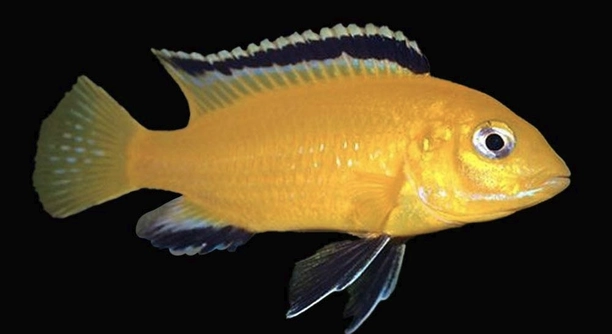
African cichlids are popular aquarium fish known for their vibrant colors and active behavior. Keeping them healthy requires attention to water conditions, including pH levels. Understanding the ideal pH is important for their well-being in a home tank.
The ideal pH for African cichlids generally ranges from 7.8 to 8.6. Maintaining this alkaline pH supports their natural environment and helps with proper physiological functions. Consistent pH levels reduce stress and promote overall health in these fish.
Knowing the right pH range is essential for a thriving cichlid tank. This article will guide you through the basics and practical tips for maintaining suitable water conditions.
Understanding pH and Its Importance for African Cichlids
pH measures how acidic or alkaline water is, on a scale from 0 to 14. African cichlids come from East African lakes where the water is naturally alkaline. Their bodies are adapted to live best in this environment, so keeping a stable pH between 7.8 and 8.6 in your aquarium helps mimic those conditions. If the pH is too low or too high, it can stress the fish and affect their health. Sudden changes in pH are especially harmful, as cichlids are sensitive to fluctuations. Maintaining proper pH supports their metabolism, immune system, and breeding behaviors. Testing the water regularly allows you to detect changes early. Using buffering agents or substrates designed for African cichlids can help maintain the right pH. Understanding these basics ensures your fish live in comfortable and natural-like water.
Regular water testing is key to maintaining a stable pH environment.
Balancing pH in an aquarium requires consistent monitoring and adjustments. Using a quality test kit, test your water weekly to track pH levels. If the pH drifts outside the ideal range, take steps such as partial water changes or adding alkaline buffering substances to correct it. Avoid sudden shifts by making gradual changes. Also, consider the aquarium substrate and decorations, as some materials can affect pH. For example, crushed coral raises pH naturally and suits African cichlid tanks. Filtration systems with biological media can support stable water chemistry by breaking down waste products that might alter pH. A steady environment reduces stress, which improves fish health and coloration. Over time, maintaining pH stability helps your cichlids thrive and display their best behavior. This care contributes to a balanced and attractive aquarium setup.
Common Signs of pH Imbalance in African Cichlids
Fish behavior and appearance often reflect water quality issues.
When the pH is outside the ideal range, African cichlids may show signs like lethargy, loss of appetite, or unusual swimming patterns. Their colors might fade, and they can become more prone to disease. Sudden pH changes can cause respiratory stress, making fish gasp at the surface. Eggs and fry may fail to develop properly if the pH is not stable, which can be frustrating for breeders. Addressing pH problems quickly is essential to prevent long-term damage. Checking water parameters and observing your fish regularly can help catch issues early. Proper pH balance supports their natural behaviors and overall vitality, making your aquarium a healthier place for these striking fish.
How to Adjust pH in Your African Cichlid Tank
Adjusting pH requires patience and careful steps. Avoid rapid changes by making small adjustments over days or weeks. Using natural materials like crushed coral or baking soda can gradually raise pH levels.
Crushed coral in the substrate slowly releases calcium carbonate, which helps maintain an alkaline environment suitable for African cichlids. Baking soda added sparingly can also increase pH, but it should be dissolved first and added in small amounts to prevent sudden shifts. Partial water changes with water adjusted to the desired pH can help stabilize the tank environment. Always test water after adjustments to monitor changes. Avoid using harsh chemicals, as these can harm the fish. A steady approach is safest and most effective.
Lowering pH is less common but can be done using peat moss or driftwood, which release tannins that mildly acidify the water. These methods work slowly, so continuous monitoring is essential to avoid stressing the fish.
Factors Affecting pH Stability in African Cichlid Aquariums
Water source quality impacts pH significantly. Tap water varies widely in pH and hardness, sometimes requiring treatment before use in the tank. Hard water tends to buffer pH better than soft water, reducing rapid changes. Temperature also influences pH; warmer water can lower it slightly. Biological activity, including fish waste and decomposing plants, produces acids that can shift pH downward over time. Proper filtration and regular cleaning reduce buildup of harmful substances, helping maintain stable pH. Tank size affects stability, as smaller tanks are more prone to sudden changes than larger systems.
Consistency is vital to avoid stress. Keeping a routine of water testing, cleaning, and careful water changes helps maintain stable pH. Using substrates and decorations compatible with African cichlids supports the proper chemical balance. Overfeeding can increase waste and cause pH swings, so feed fish in moderation. Careful attention to these factors creates a balanced environment that supports healthy fish behavior and longevity.
Testing pH Levels Regularly
Regular testing is essential to keep African cichlids healthy. Use a reliable liquid test kit for the most accurate results. Test the water at least once a week to detect any changes early.
Monitoring pH helps prevent sudden shifts that can stress your fish. Keep a log of test results to track trends over time and adjust care routines accordingly.
Common pH Testing Methods
Liquid test kits are preferred for accuracy and ease of use. Test strips provide quicker results but are less precise. Digital pH meters offer convenience but require regular calibration. Choose the method that fits your routine and budget, ensuring consistent monitoring for your aquarium.
Avoiding pH Fluctuations
Maintain a regular water change schedule and avoid overfeeding. Sudden changes in water chemistry often result from neglecting these basics.
Importance of Stable pH for Breeding
Stable pH encourages healthy breeding behavior in African cichlids.
What is the ideal pH range for African cichlids?
The ideal pH range for African cichlids is between 7.8 and 8.6. This alkaline range closely matches the natural water conditions of the East African lakes where these fish originate. Keeping the pH within this range supports their health, coloration, and breeding success.
Why is maintaining a stable pH important?
Stable pH reduces stress on the fish and prevents sudden health issues. Fluctuations can cause respiratory problems, weaken their immune system, and increase susceptibility to disease. A stable environment also encourages natural behaviors like feeding and breeding.
How often should I test the pH in my aquarium?
Testing pH once a week is recommended for most African cichlid tanks. Frequent testing helps catch any changes early so adjustments can be made before the fish are affected. In new tanks, daily testing may be needed until conditions stabilize.
What causes pH to fluctuate in an aquarium?
Several factors cause pH fluctuations: decaying organic matter, fish waste, overfeeding, and water source changes. Small tanks are more vulnerable to quick changes because their water volume is limited. Also, the presence of certain substrates or decorations can affect pH.
Can I use tap water for African cichlids?
Tap water can be used if it has the proper pH and hardness. Testing your tap water before adding it to the tank is important. Some tap water may need conditioning or mixing with other water types to reach the right pH and mineral content.
How do I raise the pH if it’s too low?
You can raise pH by adding crushed coral to the substrate or using commercial alkaline buffers. Baking soda is an option but must be used cautiously and added gradually to avoid sudden spikes. Partial water changes with alkaline water also help.
How do I lower the pH if it’s too high?
Lowering pH can be done using natural materials like peat moss or driftwood, which release tannins and soften the water. Acid buffers are available but should be used carefully. Any changes should be gradual to avoid stressing the fish.
Are pH test strips accurate enough?
Test strips offer quick results but are less precise than liquid test kits or digital meters. For maintaining African cichlids, liquid kits are recommended to monitor pH closely and accurately, especially when fine adjustments are necessary.
Can pH affect the color of African cichlids?
Yes, pH impacts the brightness and vibrancy of cichlid colors. When pH is stable and within the ideal range, their natural colors appear more vivid. Stress from improper pH often causes dulling or fading of their coloration.
What should I do if the pH suddenly drops or rises?
If you notice a sudden change, perform a partial water change using water adjusted to the correct pH. Check for possible causes like decaying plants or overfeeding. Avoid making large chemical adjustments at once. Stabilize the environment gradually.
Can substrate or decorations affect pH?
Certain substrates like crushed coral and limestone increase pH by slowly releasing minerals. Driftwood and peat moss lower pH by releasing tannins. Choose materials based on your tank’s needs and monitor pH regularly when changing decorations.
Is it possible to keep African cichlids in neutral or acidic water?
African cichlids thrive best in alkaline water. Keeping them in neutral or acidic water may lead to health problems, reduced activity, and poor breeding performance. It is generally not recommended to keep these fish outside their preferred pH range.
How does pH interact with water hardness for African cichlids?
Water hardness and pH are related; hard water tends to buffer pH and keep it stable. African cichlids prefer moderately hard to hard water with an alkaline pH. Soft water can make pH fluctuate more easily, which may stress the fish.
Can pH affect breeding success?
Yes, breeding African cichlids requires stable alkaline conditions. If pH is too low or fluctuating, eggs may fail to hatch and fry may not survive. Proper pH supports reproductive behaviors and increases chances of healthy offspring.
What are the signs of pH stress in African cichlids?
Signs include lethargy, loss of appetite, gasping at the surface, faded colors, and unusual swimming. Fish may also hide more or become aggressive. Regular observation combined with water testing helps identify pH stress early.
How do temperature changes affect pH?
Increasing water temperature can lower pH slightly, while cooler temperatures may raise it. Since African cichlids prefer warmer water, small pH shifts can occur. Maintaining consistent temperature helps keep pH stable and comfortable for the fish.
Are there any pH buffers made specifically for African cichlids?
Yes, some commercial products are designed to maintain alkaline pH and buffer water hardness for African cichlid tanks. These should be used according to instructions and with careful monitoring to avoid overcorrection.
How long does it take for pH to stabilize after adjustment?
pH stabilization can take several hours to a few days depending on tank size and method used. Gradual adjustments are safer and allow fish to adapt without stress. Avoid large sudden changes to prevent shock.
Can overfeeding affect pH?
Yes, overfeeding increases waste and organic decay, which produce acids and lower pH. Feeding appropriate amounts and removing uneaten food helps maintain stable water chemistry.
Is it necessary to adjust pH in every African cichlid tank?
Not always. Some water sources naturally fall within the ideal range. However, regular testing is important to confirm this. Adjustments are only needed if pH drifts outside the preferred range or fluctuates frequently.
What’s the best way to keep pH stable long-term?
Maintain consistent water changes with properly treated water, use buffering substrates if needed, avoid overfeeding, and monitor water quality regularly. Good filtration and stable temperature also support pH stability.
Maintaining the right pH level for African cichlids is an important part of caring for these fish. Their natural habitat is alkaline water with a pH between 7.8 and 8.6, and keeping this balance in your aquarium helps them stay healthy. A stable pH supports their metabolism, immune system, and breeding habits. It also helps them display their best colors and behave naturally. Paying attention to water conditions, including pH, is essential for providing a good environment for African cichlids.
Regular testing of the water is key to keeping pH stable. Using a reliable test kit once a week allows you to catch any changes early. Sudden shifts in pH can cause stress and health problems, so it is best to avoid them. If you find the pH is too low or too high, make gradual adjustments using safe methods like adding crushed coral or peat moss. Avoid using harsh chemicals or making quick changes, as these can harm the fish. Keeping a routine of water testing, partial water changes, and proper feeding habits helps maintain a steady environment.
Several factors can affect pH stability in an aquarium. The quality of tap water, the type of substrate, decorations, temperature, and biological activity all play a role. Smaller tanks tend to have more pH fluctuations than larger ones because there is less water volume to buffer changes. Overfeeding or poor filtration can also lead to pH swings. By controlling these factors and observing your fish regularly, you can create a balanced aquarium where African cichlids thrive. Understanding and managing pH is a key part of successful fishkeeping and helps ensure your cichlids live long, healthy lives.

Hello,
If you enjoy the content that we create, please consider saying a "Thank You!" by leaving a tip.
Every little bit helps us continue crafting quality advice that supports the health, happiness, and well-being of pets around the world, for pets of all shapes, sizes, and species.
We really appreciate the kindness and support that you show us!