
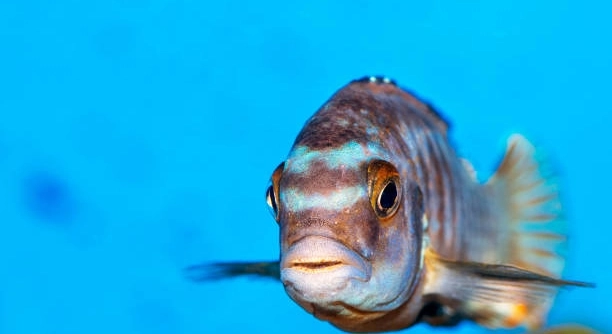
African cichlids are popular aquarium fish known for their vibrant colors and interesting behaviors. Like any fish, they can face health challenges caused by parasites. Understanding these common parasites is important for keeping cichlids healthy.
Seven parasites frequently affect African cichlids, including Ichthyophthirius multifiliis, Cryptocaryon irritans, and various flukes and worms. These parasites can cause symptoms such as skin irritation, breathing difficulty, and lethargy, impacting fish health and aquarium conditions.
Knowing about these parasites can help you recognize early signs and take steps to protect your fish’s well-being.
Ichthyophthirius multifiliis (Ich)
Ichthyophthirius multifiliis, commonly called Ich or white spot disease, is a frequent parasite in African cichlids. It appears as small white spots on the fish’s body and fins. This parasite attaches to the skin and gills, causing irritation and making the fish scratch against objects. Infected fish may breathe rapidly or become lethargic. The parasite’s life cycle involves free-swimming stages in the water, which makes it easy to spread in aquariums. Treatment often includes raising the water temperature and using medication designed to target the parasite. Proper quarantine and good water quality are essential to prevent outbreaks. If left untreated, Ich can cause severe stress and even death. Watching for early signs and acting quickly helps keep your cichlids healthy and comfortable in their tank.
Effective prevention includes isolating new fish and maintaining stable water conditions to reduce stress and lower infection risk.
Many fish keepers have found that combining medication with consistent tank cleaning helps break Ich’s life cycle and clears infections faster. Regular observation is key to catching the problem early before it spreads widely.
Flukes (Monogenean Parasites)
Flukes are small flatworms that attach to the skin or gills of cichlids, causing irritation. These parasites can lead to excessive mucus production and respiratory problems.
Flukes reproduce quickly and often spread through direct contact between fish. Treatment typically involves antiparasitic medications like formalin or praziquantel. Managing water quality and reducing overcrowding are also important. If untreated, flukes can damage gill tissue and weaken the fish’s immune system. Early detection and treatment improve recovery chances. Monitoring your fish regularly will help identify issues before they become serious.
Cryptocaryon irritans
Cryptocaryon irritans, also known as marine Ich, can infect African cichlids in brackish or marine-like conditions. It causes white spots and respiratory distress. The parasite spreads quickly in crowded tanks, making early treatment essential to protect your fish’s health.
This parasite’s life cycle is similar to freshwater Ich but often more difficult to treat. It attaches to the fish’s skin, gills, and fins, causing damage and making breathing difficult. Treatment requires specialized medication designed for marine environments. Salt baths and quarantine can help reduce spread. Good filtration and water changes are critical to support recovery. Infected fish need extra care since stress and poor water quality worsen symptoms.
Preventing Cryptocaryon irritans means controlling water quality and avoiding sudden changes. Keeping new fish isolated before adding them to the main tank reduces infection risks. Consistent monitoring and timely action give your cichlids the best chance to stay healthy and recover quickly.
Worms (Nematodes and Trematodes)
Worms like nematodes and trematodes can infest African cichlids, living in their intestines or tissues. These parasites cause weight loss, poor growth, and sometimes visible swelling. Treatment involves antiparasitic medications administered orally or in the water.
Heavy worm infestations disrupt nutrient absorption, leading to weakened fish and increased susceptibility to other diseases. Some worms produce eggs that spread through tank water, increasing the risk to other fish. Keeping the tank clean and avoiding contaminated food can help prevent worm infections. Regular health checks and quick treatment are essential to stop the worms from harming your fish’s well-being and the overall aquarium environment.
Trichodina
Trichodina is a common external parasite affecting African cichlids. It appears as small, circular spots on the skin and fins, causing irritation and excess mucus production. This parasite spreads quickly in crowded tanks.
It attaches to the fish’s surface, feeding on skin cells and mucus. Trichodina infections often cause fish to scratch and show signs of stress. Treatment with specific antiparasitic solutions and maintaining clean water helps control this parasite.
Gill Mites
Gill mites are tiny parasites that live on the gills, causing breathing difficulties and inflammation. They can weaken fish over time and reduce oxygen intake.
Camallanus Worms
Camallanus worms live inside fish intestines and appear as small red threads near the anus. These worms cause weight loss and slow growth if untreated. Prompt medication is necessary to stop their spread.
What are the most common signs of parasite infections in African cichlids?
Parasite infections usually cause visible changes like white spots, redness, or swelling on the skin and fins. Fish may scratch themselves against tank surfaces or swim erratically. Breathing may become rapid or labored, and fish might lose appetite or appear lethargic. These signs are important to spot early.
How can I prevent parasites from infecting my African cichlids?
Preventing parasites involves good tank hygiene, such as regular water changes and avoiding overcrowding. Quarantining new fish before adding them to the main tank helps reduce the risk of introducing parasites. Using clean equipment and avoiding wild-caught fish can also lower infection chances.
Can parasites be treated without removing fish from the tank?
Some parasites can be treated in the main aquarium using medications, but often removing infected fish to a separate quarantine tank improves treatment success. Quarantine tanks allow for closer monitoring and reduce the risk of spreading parasites to healthy fish.
Are certain water conditions more likely to encourage parasite growth?
Poor water quality, such as high ammonia, nitrite, or nitrate levels, stresses fish and weakens their immune system, making parasites more likely to thrive. Maintaining stable water temperature, pH, and cleanliness helps keep parasites at bay.
How long does it take to treat parasite infections in African cichlids?
Treatment duration varies depending on the parasite type and severity. Some infections clear in a week with proper medication, while others may take several weeks. Consistent treatment and monitoring are essential for full recovery.
Do parasites spread easily between fish in a community tank?
Yes, parasites spread quickly in crowded conditions, especially if fish share the same water and physical contact occurs. Regular observation and early treatment reduce the risk of outbreaks affecting multiple fish.
Are there any natural methods to control parasites in cichlids?
Some fishkeepers use natural remedies like salt baths or herbal treatments to reduce parasite loads. However, these methods may not be fully effective for all parasites and should be used alongside proper medication and tank maintenance.
Can a healthy diet help prevent parasite infections?
A balanced and nutritious diet strengthens the fish’s immune system, making it better able to resist infections. Feeding high-quality food and avoiding overfeeding reduces stress and supports overall health.
When should I seek professional help for parasite problems?
If symptoms persist despite treatment or if many fish become ill, consulting a veterinarian or experienced aquarist is recommended. Professional advice can guide diagnosis and suggest effective treatments tailored to the specific parasite.
Are parasites harmful to humans handling the aquarium?
Most parasites affecting African cichlids do not infect humans. However, maintaining good hygiene when handling fish or water is important to avoid any risk of secondary infections or contamination.
Taking care of African cichlids means paying close attention to their health, especially when it comes to parasites. These tiny organisms can cause big problems if not noticed early. Parasites like Ich, flukes, and worms can make your fish uncomfortable and even threaten their lives. Knowing what to look for and how to respond can make a big difference in keeping your tank healthy. By maintaining good water quality, avoiding overcrowding, and quarantining new fish, you reduce the chance of parasite outbreaks. Regular observation of your fish’s behavior and appearance will help catch issues before they become serious.
Treatment for parasites often involves medications, but prevention is always better. Keeping the tank clean and stable creates a less friendly environment for parasites to grow. If parasites do appear, acting quickly can prevent the problem from spreading to other fish. Each type of parasite requires specific care, so identifying the parasite correctly is important. Using the right treatment and following the recommended steps will give your cichlids the best chance to recover. Patience and care during this process are essential because rushing treatments or ignoring early signs can cause setbacks.
Overall, caring for African cichlids involves ongoing attention to their environment and health. Parasites are common, but they don’t have to cause lasting harm if managed properly. Keeping your fish in a clean, stable tank and observing their condition regularly will go a long way toward preventing infections. When parasites do appear, understanding how to treat them calmly and thoroughly will help your cichlids stay healthy and vibrant. This knowledge will also make your aquarium experience more rewarding and enjoyable.

Hello,
If you enjoy the content that we create, please consider saying a "Thank You!" by leaving a tip.
Every little bit helps us continue crafting quality advice that supports the health, happiness, and well-being of pets around the world, for pets of all shapes, sizes, and species.
We really appreciate the kindness and support that you show us!