
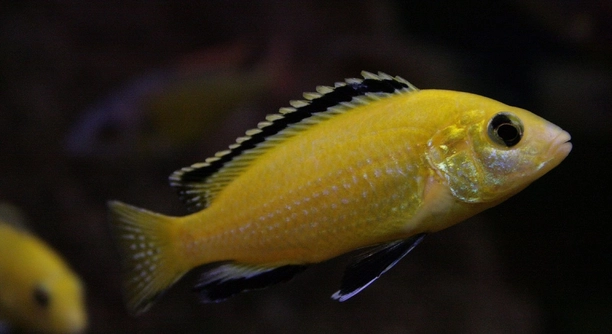
Cichlids are fascinating fish known for their unique behaviors, especially their lip-locking. This odd interaction often catches the attention of aquarium enthusiasts who want to understand what it means for these colorful creatures. Lip-locking is one of the many ways cichlids communicate.
Lip-locking among cichlids is primarily a form of territorial or mating behavior. It serves as a way to establish dominance or courtship without causing serious harm. This action helps maintain social hierarchy and can indicate readiness to breed or defend territory.
This behavior reveals much about cichlid relationships and social structure, making it an important topic for anyone interested in these fish. Understanding it can improve how you care for and observe them.
Why Cichlids Lock Lips
Cichlids lock lips mainly as a way to show dominance or compete for territory. This behavior can look aggressive but rarely causes injury. When two males meet, they often engage in lip-locking to test each other’s strength. It’s a ritual that helps decide which fish will control a certain area. Females may also lock lips during mating rituals as a form of bonding. These interactions are important for maintaining balance in the tank or natural habitat. Understanding this behavior can help you manage cichlids more effectively. Knowing when lip-locking is normal or a sign of stress can prevent problems and keep your fish healthy.
Lip-locking is a natural form of communication among cichlids and usually signals social interactions rather than aggression.
Watching these lip-locking moments can give insight into how cichlids relate to one another. You’ll see that it’s less about fighting and more about establishing order and relationships. This behavior is key to their social life and helps reduce actual harm. By recognizing lip-locking, you can better understand their needs and provide an environment where they feel secure.
What Lip Locking Means for Your Tank
Lip-locking in cichlids can indicate both stress and social bonding depending on the context. If it happens frequently or escalates into chasing and biting, it may mean the tank is overcrowded or lacks enough hiding spaces. In a balanced tank, lip-locking stays brief and does not cause injury. It serves as a way for fish to settle disputes or establish pair bonds. Observing the behavior closely helps identify if your cichlids are comfortable or if adjustments are needed. By providing enough space and environmental enrichment, you can reduce tension and support natural behaviors like lip-locking.
When lip-locking turns aggressive, it may be a sign of imbalance in the aquarium.
If you notice constant lip-locking that leads to damage, consider rearranging tank decorations or adding barriers. Sometimes separating overly aggressive individuals is necessary. Keeping water quality high and feeding properly also lowers stress. Each cichlid species has unique social needs, so research is essential. Managing their environment carefully allows lip-locking to remain a natural and healthy part of their interactions. This approach helps keep your tank peaceful and your fish thriving.
How to Recognize Lip Locking
Lip locking in cichlids looks like two fish pressing their mouths together for a brief moment. It is different from biting or chasing because the contact is mostly at the lips and usually doesn’t cause injury.
This behavior often happens during territorial disputes or courtship displays. You may notice the fish staring at each other intensely before locking lips. The fish may push and pull while keeping their mouths connected. This can last from a few seconds to several minutes. Lip locking is usually followed by one fish backing away, showing submission or acceptance of the other’s dominance.
It’s important to observe the entire interaction. If lip locking turns into chasing or biting, it means the conflict is escalating. However, if the fish separate calmly after lip locking, it shows the behavior worked to settle the issue without harm. Watching these cues can help you better understand your cichlids’ social dynamics.
Tips to Manage Lip Locking in Your Aquarium
Providing enough space in the tank reduces the frequency of lip locking caused by territorial stress. Larger tanks or tanks with plenty of hiding spots allow fish to retreat and avoid conflicts. This helps them feel secure and less likely to engage in prolonged fights.
Decorations like rocks and plants create natural barriers that break the line of sight, lowering tension between cichlids. Regular water changes and good filtration also help by keeping water quality high. Clean water reduces stress, which can otherwise increase aggressive behaviors. Feeding a balanced diet ensures fish are not competing over food, which sometimes triggers lip locking. By carefully arranging the tank and maintaining good conditions, you encourage peaceful interactions and healthier fish.
When Lip Locking Is Not a Concern
Brief lip locking is normal and does not harm your cichlids. It usually ends quickly, with no damage or stress visible afterward.
If you see your fish locking lips but then swimming calmly apart, this is healthy social behavior. No intervention is needed in such cases.
Signs of Problematic Lip Locking
Problematic lip locking happens when fights last too long or escalate into biting and chasing. Fish may show injuries or torn fins. This indicates stress or overcrowding, and changes to the tank are necessary to reduce conflict.
Lip Locking and Breeding Behavior
During breeding, lip locking can be part of courtship rituals. It helps pairs bond and prepare for spawning. This behavior is often gentler and less frequent than territorial lip locking.
Monitoring Your Cichlids
Keeping a close eye on your fish’s behavior helps catch problems early. Regular observation can prevent aggression from becoming harmful.
FAQ
Why do cichlids lock lips instead of fighting directly?
Cichlids lock lips as a way to show dominance without causing serious harm. This behavior helps them settle disputes through physical contact without escalating to full fights. It is a safer way to establish hierarchy and avoid injuries that could weaken them.
Is lip locking harmful to cichlids?
Usually, lip locking is not harmful when it’s brief and controlled. It rarely causes injury because the contact is mostly limited to their lips. However, if it leads to prolonged fights or chasing, it can result in stress and physical damage.
How can I tell if lip locking is normal or aggressive?
Normal lip locking is short and followed by calm separation. Aggressive encounters last longer, may include chasing or biting, and often cause injuries like torn fins or damaged scales. Observing the fish after lip locking helps determine if intervention is needed.
Can lip locking happen between males and females?
Yes, lip locking can occur between males and females. In these cases, it’s often part of courtship and bonding during mating. This behavior is gentler compared to male-to-male territorial disputes and helps pairs prepare for spawning.
Does lip locking mean my cichlids are stressed?
Lip locking alone does not always mean stress. It is a natural communication method. But if lip locking is frequent and aggressive, it can be a sign of overcrowding, poor tank setup, or competition for resources, all of which increase stress.
How can I reduce lip locking in my tank?
Providing enough space, hiding spots, and visual barriers reduces tension between cichlids. Keeping water clean and feeding a balanced diet also lowers stress. Sometimes rearranging decorations or separating overly aggressive fish is necessary to maintain peace.
Should I separate fish that lock lips often?
Not always. If lip locking is brief and not causing injury, separation isn’t needed. But if fights escalate or fish show injuries, separating them can prevent harm and allow recovery. Monitor behavior carefully before deciding.
Does lip locking happen more in certain cichlid species?
Yes, some species are more territorial or aggressive, making lip locking more common. For example, African cichlids tend to display this behavior more than peaceful species. Knowing your cichlid’s natural behavior helps manage their social interactions.
Can lip locking lead to breeding success?
In some cases, yes. Lip locking during courtship helps pairs bond and establish readiness to spawn. It is part of their mating ritual and can indicate healthy reproductive behavior when seen between males and females.
What signs show that lip locking is affecting my cichlids’ health?
Look for torn fins, damaged scales, changes in swimming behavior, or hiding more than usual. Stress signs include loss of appetite and faded colors. If you see these after lip locking, it’s time to adjust tank conditions or separate aggressive fish.
How often should I observe my cichlids for lip locking?
Regular daily observation is best, especially when introducing new fish or rearranging the tank. Watching their interactions helps catch problems early and ensures the environment supports healthy behavior.
Is lip locking more common in tanks or natural habitats?
Lip locking occurs in both but may appear more noticeable in tanks due to confined space. In the wild, fish have more room to avoid conflicts, so lip locking often ends quickly or is less frequent.
Can lip locking behavior change over time?
Yes, as fish grow or establish territories, lip locking may decrease or increase. Social dynamics evolve, and dominant fish tend to assert themselves more. Monitoring changes helps manage your aquarium better.
What should I do if I notice excessive lip locking?
Check tank size, decorations, water quality, and diet first. Improve these factors to reduce stress. If aggression continues, consider separating the most aggressive fish. Keeping a peaceful environment reduces excessive lip locking.
Does lip locking indicate a healthy aquarium?
Brief, non-injurious lip locking can show that your cichlids are active and communicating naturally. However, excessive or harmful lip locking may point to problems needing attention. Balance and care are key for a healthy tank.
This FAQ covers common concerns about cichlid lip locking and how it affects their behavior and care. Understanding these points can improve your experience and help maintain a peaceful aquarium environment.
Lip locking is a natural and important behavior among cichlids. It serves several purposes, mainly helping fish communicate and establish social order without causing serious harm. This behavior is most often seen during territorial disputes or mating rituals, and it reflects how cichlids interact in their environment. Understanding why cichlids lock lips can improve how you care for them by allowing you to recognize when this behavior is normal and when it might indicate a problem. Being aware of lip locking helps create a balanced tank where fish can live peacefully.
Managing lip locking involves providing a suitable environment for your cichlids. Ensuring the tank is large enough, with plenty of hiding spots and visual barriers, reduces stress and competition between fish. Clean water and a good diet also contribute to healthier behavior. When lip locking becomes too frequent or aggressive, it usually means something needs to be adjusted in the tank setup or fish groupings. By watching your fish carefully and making changes when needed, you can prevent injuries and keep your cichlids calm and comfortable.
Overall, lip locking is a sign of cichlids communicating and interacting naturally. It is not usually something to worry about unless it escalates into serious fights or causes injuries. Paying attention to this behavior and your tank conditions will help you maintain a peaceful aquarium. Your cichlids’ social behavior, including lip locking, is part of what makes them interesting and rewarding to keep. With proper care, you can support their natural instincts while enjoying a healthy and lively aquarium.

Hello,
If you enjoy the content that we create, please consider saying a "Thank You!" by leaving a tip.
Every little bit helps us continue crafting quality advice that supports the health, happiness, and well-being of pets around the world, for pets of all shapes, sizes, and species.
We really appreciate the kindness and support that you show us!