
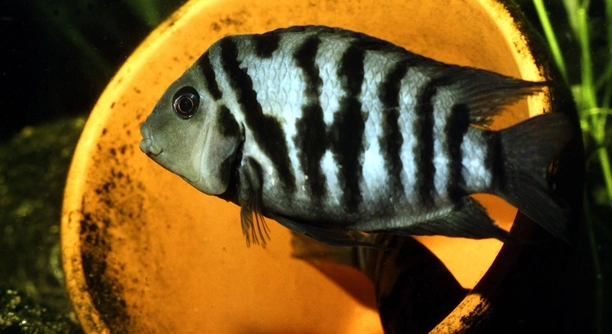
Cichlids are popular aquarium fish known for their vibrant colors and active behavior. Sometimes, however, a cichlid can be bullied by tank mates, causing stress and health issues. Knowing how to handle bullying helps keep your fish happy and healthy.
When a cichlid is bullied, immediate action is necessary to prevent injury or stress-related illness. Addressing tank size, rearranging decorations, separating aggressive fish, and monitoring water quality are key steps to reduce bullying and improve fish welfare.
Recognizing and fixing bullying early makes a big difference in your cichlid’s well-being. The following tips will help you create a peaceful environment for all your aquarium residents.
Identifying Bullying Behavior in Your Cichlid Tank
Bullying in a cichlid tank can look like chasing, nipping, or cornering one fish repeatedly. Some cichlids are naturally territorial, especially males, but constant aggression can harm your fish. Watch for signs such as torn fins, faded colors, or hiding more than usual. These are clear indicators your cichlid is being bullied. Bullying also causes stress, which weakens the immune system and makes fish more prone to illness. It’s important to observe interactions carefully, especially when introducing new fish or changing tank arrangements. Some fish might just be asserting dominance, but if the behavior seems extreme or one fish is clearly suffering, it’s time to act. Keeping a close eye on your tank will help you spot problems before they get worse and allow you to make changes that protect your cichlid’s health and happiness.
Recognizing bullying early helps prevent lasting damage to your fish.
Taking note of aggressive patterns and signs of stress is the first step toward a peaceful tank. Consistent monitoring allows you to intervene appropriately and keep all your fish safe.
Adjusting Tank Setup to Reduce Aggression
Making changes to the tank environment is often the easiest way to reduce bullying.
Start by increasing hiding spots with plants, rocks, or decorations. These give bullied fish places to escape and feel safe. Rearranging the tank layout can also confuse aggressive fish and break up established territories. Consider adding more space if your tank feels crowded; too many fish in a small area lead to stress and fighting. Using a larger tank or separating aggressive fish into different tanks may be necessary in severe cases. Sometimes, adding more fish can dilute aggression, but this only works if the tank is large enough. Water quality is another factor—poor water increases stress and makes fish more aggressive. Regular maintenance keeps the environment stable and less likely to cause fights. By adjusting the tank setup, you create a balanced space where your cichlids can coexist peacefully without constant stress or harm.
Separating Aggressive Fish
Separating aggressive cichlids is a common solution when bullying gets severe.
Using a divider in the tank or moving the aggressive fish to another tank stops physical harm immediately. This method reduces stress for the bullied fish and prevents injury. It also gives the aggressive fish time to calm down in a less crowded environment. Temporary separation can help restore balance in your tank without removing fish permanently.
Before reintroducing the aggressive fish, observe their behavior closely. If aggression continues, keeping them separated long-term may be necessary. In some cases, rehoming the aggressive fish is the best option to protect others. Separation is a useful tool but works best combined with other strategies like tank rearrangement and improving water quality.
Monitoring Water Quality
Maintaining good water quality is essential for reducing aggression and stress in your tank.
Poor water conditions cause discomfort and weaken fish, making them more prone to aggressive behavior. Regular testing for ammonia, nitrite, nitrate, and pH keeps the environment stable and healthy. Changing 10-20% of the water weekly helps remove toxins and keeps the water fresh. Clean filters and avoid overcrowding to maintain balance.
Healthy water supports stronger immune systems and calmer fish. When your tank water is clean, cichlids are less likely to act out aggressively, making it easier to maintain peace in the community.
Feeding Strategies to Reduce Aggression
Feeding your cichlids properly can help reduce fighting.
Offer small, frequent meals instead of one large feeding. This keeps fish focused on food rather than each other.
Choosing Compatible Tank Mates
Selecting the right tank mates is important for a peaceful aquarium.
Avoid mixing overly aggressive cichlid species or pairing them with very timid fish. Research each species’ temperament and space needs before adding them. Balanced groups with similar sizes and activity levels help prevent bullying. Proper compatibility reduces stress and creates a calmer tank environment.
Using Visual Barriers
Adding plants or decorations to block direct lines of sight can calm aggressive behavior.
FAQ
How can I tell if my cichlid is being bullied or just being territorial?
Bullying involves repeated chasing, nipping, or cornering one fish, causing stress or injury. Territorial behavior is usually more balanced, with fish defending space but not causing lasting harm. Watch for signs like torn fins, faded colors, and hiding. If one fish is clearly suffering, bullying is likely.
Is it okay to keep multiple aggressive cichlids in the same tank?
Keeping multiple aggressive cichlids together can be risky unless the tank is large and well-structured with plenty of hiding spots. Overcrowding increases stress and fighting. It’s better to research species compatibility and provide enough space to reduce conflicts.
What are some signs that bullying is affecting my cichlid’s health?
Look for torn or ragged fins, faded or dull colors, loss of appetite, and hiding more often. Stress from bullying weakens the immune system, making fish more vulnerable to diseases. Acting quickly is important to prevent lasting damage.
Can rearranging decorations really stop bullying?
Yes, changing the tank layout breaks established territories and confuses aggressive fish. Adding plants, rocks, or caves offers safe spots for bullied fish to hide. This simple step can reduce tension and create a more peaceful environment.
How often should I check water quality to prevent aggression?
Testing water weekly for ammonia, nitrite, nitrate, and pH is ideal. Maintaining clean water reduces stress and aggression. Regular partial water changes and filter maintenance keep the tank stable and healthy for all fish.
What is the best way to separate aggressive fish?
Use a tank divider or move the aggressive fish to a separate tank. This stops physical attacks immediately and lowers stress for the bullied fish. Temporary separation is often enough, but some fish may need permanent separation or rehoming.
Can adding more fish reduce bullying?
Adding more fish only helps if the tank is large enough to avoid overcrowding. A bigger group can spread aggression, but if space is tight, it may make bullying worse. Always consider tank size and fish temperament before adding new tank mates.
Should I change my feeding schedule to help reduce aggression?
Feeding smaller amounts more frequently helps keep fish occupied and less focused on fighting. This also prevents competition over food and reduces aggressive behavior during feeding times.
Are there any decorations that cichlids prefer to hide in?
Cichlids like caves, rock piles, and dense plants where they can retreat safely. Providing multiple hiding spots gives bullied fish a chance to escape and feel secure, which lowers stress and aggression.
When should I consider rehoming an aggressive cichlid?
If bullying continues despite changes to the tank, separation, and adjustments in environment, rehoming may be the best option. Protecting the health and safety of all fish is the priority, even if it means finding a new home for the aggressive fish.
Final Thoughts
Bullying in a cichlid tank can be a serious problem, but it is something that can be managed with the right approach. Understanding your fish’s behavior is the first step to keeping peace in your aquarium. Watching closely for signs of bullying, such as chasing or damaged fins, allows you to act before the situation worsens. Being aware that cichlids have natural territorial instincts helps to set realistic expectations. Not every aggressive act is harmful, but repeated bullying needs attention to protect your fish’s health.
Making changes to the tank environment often helps reduce bullying. Rearranging decorations and adding hiding places give bullied fish a chance to feel safe. Adjusting the number and type of fish in your tank can also balance aggression. Keeping the water clean and stable lowers stress, which in turn helps calm aggressive behavior. Separating or rehoming aggressive fish might be necessary in some cases to protect others. Each tank is different, so finding what works best may take some trial and error, but patience pays off in the long run.
Ultimately, the goal is to create a healthy and peaceful space where your cichlids can thrive. Paying attention to their behavior, maintaining a good environment, and acting quickly when problems arise will improve the quality of life for all your fish. Cichlids are beautiful and interesting creatures, and with proper care, they can live happily without constant fighting. Taking these steps ensures a balanced tank and a more enjoyable experience for you as an aquarium keeper.

Hello,
If you enjoy the content that we create, please consider saying a "Thank You!" by leaving a tip.
Every little bit helps us continue crafting quality advice that supports the health, happiness, and well-being of pets around the world, for pets of all shapes, sizes, and species.
We really appreciate the kindness and support that you show us!