
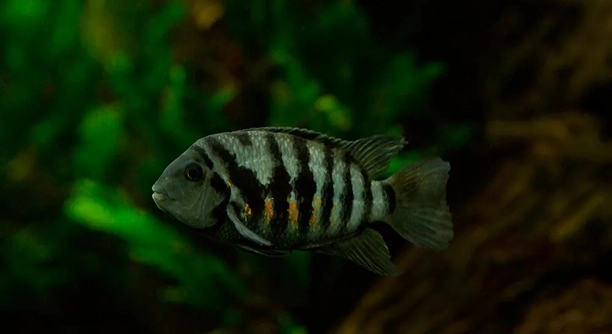
African cichlids are popular freshwater fish that many keep in home aquariums. They are known for their bright colors and lively behavior, making them a favorite among fish enthusiasts. Understanding their habits can help keep them safe and healthy in tanks.
African cichlids can indeed jump out of tanks if given the chance. This behavior is often triggered by stress, poor water quality, or overcrowding. Proper tank setup and maintenance are essential to prevent accidental escapes and injuries.
Knowing why these fish jump helps you create a better environment for them. This article will explain their jumping behavior and offer useful tips to keep them secure.
Why Do African Cichlids Jump Out of Tanks?
African cichlids jump mainly because they feel stressed or uncomfortable in their environment. Stress can come from many things like poor water quality, sudden changes in temperature, or overcrowded tanks. Sometimes, aggressive tank mates make them want to escape. In the wild, these fish have plenty of space and natural hiding spots, but in a tank, their space is limited. If their tank is too small or lacks hiding places, they might try to jump out to find relief. Also, during feeding time or when they see movement outside the tank, their natural curiosity or excitement can lead to sudden jumps. Keeping the water clean and stable, providing enough space, and arranging plants or decorations for hiding can reduce their desire to leap. Making the tank feel safer helps them stay calm and less likely to jump.
Jumping can be dangerous because the fish can injure themselves or die outside the water.
Knowing what causes jumping can help you prevent it by adjusting the tank conditions and watching your cichlids closely for signs of stress.
How to Prevent Your African Cichlids from Jumping
One of the best ways to stop cichlids from jumping is by using a secure tank lid.
A lid acts as a physical barrier to keep your fish inside. It also helps maintain stable water conditions by reducing evaporation and keeping out dust. Besides a lid, maintaining good water quality is essential. Regular water changes and testing for ammonia, nitrite, and nitrate levels will keep your fish healthy and calm. The tank size matters too; a larger tank reduces stress by giving them space to swim freely. Adding plants and decorations provides hiding spots that make them feel secure. Avoid overcrowding to reduce aggression, which can push fish to jump. Lastly, feed your cichlids consistently and avoid sudden changes in their environment, as sudden disturbances often trigger jumping behavior. Paying attention to these details will help create a safer, happier home for your cichlids.
Signs That Your African Cichlid Might Jump
Restlessness and frequent swimming near the water surface can indicate that your cichlid may try to jump. Sudden bursts of speed or leaping attempts are also clear signs.
If you notice your cichlid swimming rapidly or trying to jump out, it usually means something is wrong in the tank. This behavior often shows stress or discomfort. It could be due to poor water quality, improper temperature, or lack of hiding spaces. Aggression from other fish can also push them to jump. Watching their behavior closely can help you catch these signs early. Once you spot them, check the tank conditions immediately to prevent injuries or escapes.
Sometimes, cichlids jump because they are excited during feeding or reacting to movement outside the tank. Avoid tapping the glass or sudden loud noises to keep them calm. Observing these signs allows you to act quickly and adjust the environment for your fish’s safety.
The Importance of a Proper Tank Setup
A well-set tank reduces stress and lowers the chance of your cichlid jumping out. Proper size, decorations, and water conditions make a big difference.
The tank should be large enough to give your African cichlids space to swim freely. Smaller tanks increase stress and aggression. Adding rocks, plants, and caves provides hiding spots that make them feel safe. This setup mimics their natural habitat, which helps reduce jumping attempts. Keep the water clean and stable with regular maintenance. Temperature should stay within the ideal range for African cichlids, usually between 75°F and 82°F. Avoid sudden changes, as they cause stress. With the right environment, your fish will be healthier, calmer, and less likely to jump out of the tank.
Common Tank Conditions That Cause Jumping
Poor water quality, such as high ammonia or nitrate levels, stresses cichlids and increases their jumping risk. Inconsistent temperature changes can also trigger sudden jumps.
Overcrowding is another issue that raises stress and aggression. When there’s not enough space, fish compete and try to escape.
How to Improve Water Quality
Regular water testing and partial water changes keep harmful chemicals low. Using a good filter helps maintain clear, healthy water. Avoid overfeeding, which can cause waste buildup. Stable temperature and proper aeration also improve water quality, reducing stress and the urge to jump.
Can African Cichlids Hurt Themselves When Jumping?
Yes, jumping can cause injuries like torn fins, scale loss, or even death if they land outside the tank. A secure lid is crucial to protect your fish and prevent accidents.
FAQ
Can African cichlids jump from any type of tank?
African cichlids have the ability to jump from most types of tanks, especially if there is no secure lid. Glass, acrylic, or plastic tanks do not stop them from jumping. The key factor is how well the tank is covered and the environment inside. Without a barrier, even the best tank can’t prevent a jump.
Why do African cichlids jump more at night or early morning?
Fish are sometimes more active during low light conditions. Early morning or night might make them restless or feel unsafe if the tank is in a noisy or brightly lit area during the day. Sudden noises or movements in these quiet times can cause them to leap out in surprise.
Are some African cichlid species more likely to jump?
Yes, certain species are more energetic or territorial, which makes them more prone to jumping. Mbuna cichlids, for example, are very active and aggressive, so they often try to jump when stressed or crowded. Knowing your species helps you prepare the tank better.
How often should I check my tank to prevent jumping?
Daily observation is best. Watch your fish for signs of stress or unusual behavior. Check water parameters weekly, and clean the tank as needed. Frequent monitoring helps catch problems early before your cichlids try to escape.
Can stress alone cause a cichlid to jump out of the tank?
Yes, stress is a common cause of jumping. It can come from poor water quality, overcrowding, aggressive tank mates, or sudden changes in environment. Reducing stress by maintaining good tank conditions lowers the risk of jumping significantly.
Is a tank lid enough to stop jumping?
A tank lid is the most effective physical barrier to prevent jumping. However, it should fit securely without gaps. Some lids come with feeding openings that can leave spaces where fish might still escape. Combine a lid with good tank conditions for the best protection.
What should I do if my cichlid jumps out of the tank?
If you find your fish outside the tank, act quickly. Wet your hands and gently place the fish back in the water. Check for injuries and watch closely for signs of stress or infection. Improve the tank setup and consider adding a lid to prevent future jumps.
Can improving tank decorations help reduce jumping?
Yes, adding rocks, plants, and caves provides hiding places that make cichlids feel secure. This reduces their anxiety and the urge to jump. Natural decorations also mimic their wild environment, which helps them feel at home.
Does feeding affect jumping behavior?
Sudden movements during feeding can excite fish, causing jumping attempts. Feeding consistently and calmly helps reduce this. Avoid tapping the tank or making loud noises when feeding to keep them relaxed.
How important is water temperature in preventing jumping?
Water temperature plays a big role in fish comfort. African cichlids prefer temperatures between 75°F and 82°F. Sudden temperature drops or spikes cause stress, which may trigger jumping. Use a heater and thermometer to keep the temperature steady.
Can aggressive tank mates cause jumping?
Aggressive fish can intimidate cichlids and cause stress, pushing them to jump. Keep species that get along well together, and avoid overcrowding. Providing plenty of hiding spots also reduces conflicts.
Is it normal for African cichlids to jump sometimes?
Occasional jumping can happen, especially if they are exploring or chasing food. But frequent jumping signals a problem in the tank. Don’t ignore repeated jumps, as this can lead to injury or death.
Can jumping cause long-term harm to cichlids?
Yes, jumping can cause physical injuries like fin damage or scale loss. Repeated injuries increase the risk of infections and reduce the fish’s lifespan. Preventing jumping is important for their health.
What else can I do to keep my cichlids safe?
Besides a lid and good water care, avoid sudden changes in lighting or noises near the tank. Maintain a regular feeding schedule and keep the tank clean. The calmer the environment, the less likely your cichlids will jump.
African cichlids are beautiful and lively fish that can bring a lot of life to your aquarium. However, their jumping behavior can be a real concern for many fish keepers. Understanding why these fish jump is important to keeping them safe and healthy. Stress, poor water quality, overcrowding, and lack of hiding places are common reasons cichlids try to escape their tanks. These issues can make the fish uncomfortable or frightened, leading them to leap out. By paying attention to these factors, you can create a better home that reduces the chance of jumping and keeps your fish calm.
Keeping the tank in good condition is key to preventing jumping. This means maintaining clean water, stable temperature, and enough space for your cichlids to swim freely. Adding rocks, plants, and caves gives the fish places to hide and feel secure. A secure lid on the tank is also very important. It acts as a safety net if your fish do try to jump. Without a lid, even small jumps can lead to injuries or death if the fish land outside the water. A lid helps keep your fish inside and protects them from accidents. Combining a good tank setup with a secure cover will make a big difference in your cichlids’ safety and happiness.
Watching your fish regularly is also very helpful. Look for signs of stress or changes in behavior, such as swimming near the surface or sudden bursts of speed. These can be early warnings that something is wrong. Acting quickly by testing water quality, adjusting tank conditions, or separating aggressive fish can prevent jumping before it happens. Remember, keeping your African cichlids healthy and comfortable takes effort, but it is worth it. With the right care, your fish will thrive and stay safe in their tank, giving you a beautiful and peaceful aquarium to enjoy.

Hello,
If you enjoy the content that we create, please consider saying a "Thank You!" by leaving a tip.
Every little bit helps us continue crafting quality advice that supports the health, happiness, and well-being of pets around the world, for pets of all shapes, sizes, and species.
We really appreciate the kindness and support that you show us!