
Cats have a natural instinct to protect their space, especially when they feel their territory is threatened. Sometimes, this behavior becomes more obvious and can affect their interactions with other animals. Understanding these signs helps in creating a peaceful environment for your pet.
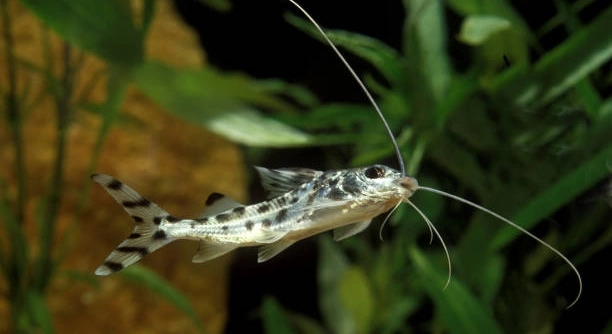
Catfish compete for territory through behaviors such as chasing, fin displays, color changes, and aggression. These actions establish dominance and protect resources like food, shelter, and breeding areas. Territorial disputes are common in confined or shared habitats.
Recognizing these behaviors early can prevent stress and injury, making your home safer and more comfortable for your catfish.
Signs of Chasing and Aggression
When a catfish feels its territory is being challenged, it often starts by chasing the other fish away. This behavior is a clear warning that the space is claimed. Chasing can be rapid and repeated, with the catfish pursuing the intruder through the tank. Aggression might include biting or ramming, which can cause stress or injury to other fish. It’s important to watch for these behaviors, especially if your catfish is sharing a tank with others. Sometimes, chasing happens around feeding times or near hiding spots, which are key resources. Understanding that this behavior is territorial helps you avoid misreading it as just playful interaction. Providing enough space and hiding places can reduce aggressive chasing, but in some cases, separating the fish might be necessary to prevent harm.
Aggression like chasing is often the first clear sign your catfish is defending its territory.
Knowing this helps you manage your tank environment and keep peace among your fish.
Changes in Color and Fin Displays
Color changes and fin displays are subtle but important signals that your catfish is staking a claim. When a catfish darkens its color or flares its fins, it is showing strength and dominance to others nearby. These visual cues are a way to avoid direct fights by intimidating rivals. The more intense the colors or the bigger the fin spread, the stronger the message. These signals often happen when a new fish is introduced or when the catfish feels cornered. Watching for these changes can give you early warnings of tension before chasing or biting starts. Sometimes, a stressed catfish will also hide less and patrol more, keeping a close watch on its territory. Adjusting the tank layout or giving more hiding spaces can help ease these tensions and reduce the need for such displays.
Territorial Marking with Scent
Catfish use scent to mark their territory and warn others. This behavior is subtle but important in maintaining their space.
Scent marking helps catfish avoid constant fighting. They release chemicals through their skin or urine that signal ownership of an area. Other fish detect these scents and often stay clear, reducing physical confrontations. This is especially important in tanks where space is limited. Sometimes, changes in water flow or cleaning routines can affect how well scents linger, which might increase territorial disputes.
If your catfish seems restless or repeatedly returns to a specific spot, it may be reinforcing its scent there. Providing hiding places and breaks in the tank layout helps spread out territories and reduce tension caused by scent marking.
Increased Patrolling Behavior
Catfish that patrol their territory more often are actively guarding their space. They swim around frequently, checking boundaries and watching for intruders.
Patrolling is a way to maintain control without constant aggression. A catfish may move slowly along tank walls, rocks, or plants, making sure no other fish invade its space. This behavior often increases after new fish are introduced or during breeding seasons. It can sometimes look like aimless swimming, but it serves a clear purpose. Too much patrolling can stress other fish, so it’s important to balance the tank environment.
If your catfish’s patrolling seems excessive, consider adding more decorations or plants to break up open areas. This can give your catfish smaller zones to guard, reducing overall tension. It also helps other fish feel safer and less threatened.
Defending Key Hiding Spots
Catfish will guard favorite hiding places closely. These spots feel safe and important for them.
When another fish approaches, your catfish may become tense or aggressive to protect these areas.
Changes in Feeding Behavior
Territorial catfish can become more aggressive or protective around feeding times. They may chase others away from food or eat faster to keep their share. This behavior ensures they maintain control over valuable resources but can cause stress among tank mates. Watching feeding patterns helps identify if territory is being defended through food control.
Avoidance by Other Fish
Other fish often avoid areas controlled by a territorial catfish. They stay clear to prevent conflict and injury.
How can I tell if my catfish is just being playful or actually competing for territory?
Playful behavior in catfish is usually brief and involves gentle chasing or swimming together. Territorial behavior, however, is more intense and persistent. If your catfish chases other fish repeatedly, shows aggression like biting, or flares fins to intimidate, it is likely defending territory rather than playing.
What tank conditions encourage territorial behavior in catfish?
Limited space, lack of hiding spots, and overcrowding often trigger territorial disputes. When fish don’t have enough room to spread out or claim their own areas, they compete aggressively. Poor water flow or sudden changes in tank setup can also stress catfish, making them more defensive.
Can introducing more hiding places reduce territorial fights?
Yes, adding plants, rocks, or decorations creates smaller zones and visual barriers. These help break up the tank and give catfish places to claim and retreat to, reducing direct confrontations. More hiding spots make the environment feel safer and lower stress for all fish.
Is it necessary to separate catfish if territorial behavior gets worse?
Sometimes separating aggressive fish is the best way to prevent injury and stress. If chasing or fighting continues despite environmental changes, using a divider or moving fish to separate tanks can protect everyone’s health. This is especially important if injuries appear.
Do all catfish species show territorial behavior?
Not all catfish act territorially, but many species do, especially those naturally living in confined or competitive habitats. Some catfish are peaceful and social, while others are more aggressive by nature. Knowing your catfish’s species helps predict how much space and care it needs.
How does feeding time affect territorial disputes?
Feeding time often triggers increased competition. Catfish may chase others away or rush to eat first to protect their food source. Feeding smaller amounts more frequently can reduce aggression, as fish don’t feel the need to guard limited resources so fiercely.
Can water quality impact territorial behavior?
Poor water quality stresses fish and can increase aggressive or defensive behavior. Maintaining clean water with regular changes and proper filtration helps keep catfish calm and less prone to territorial fights.
How long does territorial behavior last after adding a new fish?
Territorial behavior usually peaks in the first few days to weeks after introducing new fish. Over time, most catfish adjust and settle into their space. If aggression continues long-term, it may signal that the tank is too small or overcrowded.
What signs show a catfish is stressed from territorial disputes?
Stress signs include hiding excessively, loss of appetite, faded colors, or erratic swimming. Injuries from fights also show stress. Watching your catfish’s behavior closely helps catch problems early before they worsen.
Can breeding behavior increase territoriality?
Yes, during breeding periods catfish often become more aggressive in defending nests or mates. They may chase others more often and guard specific spots closely. Providing extra space and hiding places during this time can help reduce tension.
These answers cover common concerns about catfish territorial behavior, offering practical tips to create a calmer, healthier tank environment.
Understanding catfish territorial behavior is important for maintaining a peaceful aquarium. Catfish naturally protect their space to feel safe and secure. This can sometimes lead to chasing, aggression, or guarding favorite spots in the tank. Recognizing these signs early helps prevent problems between fish and reduces stress for everyone involved. When catfish feel threatened, they use different ways to show ownership, such as changing color, flaring fins, or patrolling their area. These behaviors are normal and part of how they communicate with others around them. Knowing this can help you better manage your tank and keep your catfish comfortable.
Creating a tank environment that respects the catfish’s need for territory can make a big difference. Providing plenty of hiding places, plants, and decorations helps break up the space into smaller zones. This allows each fish to claim its own area without constant conflict. Avoiding overcrowding and giving enough room for each fish to swim freely also reduces tension. Feeding your catfish properly, with smaller meals given more often, can lessen competition over food. Regular water changes and clean conditions support the overall health of your fish, making them less likely to become aggressive due to stress.
If territorial behavior becomes too intense or causes injuries, it may be necessary to take further action. Separating aggressive fish or rearranging the tank layout can help restore balance. Sometimes, introducing new fish slowly and carefully prevents strong territorial reactions. Watching your catfish’s behavior closely allows you to intervene early before conflicts escalate. Taking these steps can improve the harmony in your aquarium and ensure your catfish and other fish live comfortably together. With patience and care, managing territorial instincts becomes easier, making your tank a calmer and happier home for all its inhabitants.

Hello,
If you enjoy the content that we create, please consider saying a "Thank You!" by leaving a tip.
Every little bit helps us continue crafting quality advice that supports the health, happiness, and well-being of pets around the world, for pets of all shapes, sizes, and species.
We really appreciate the kindness and support that you show us!