
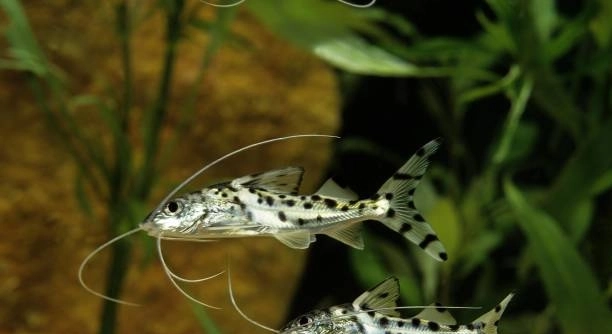
Have you ever set up a new aquarium and found yourself unsure about how to move your pictus catfish without causing stress or harm?
The safest way to move a pictus catfish to a new tank is by using the drip acclimation method. This process helps the fish gradually adjust to changes in water parameters, reducing the risk of shock or illness.
Moving your fish correctly can make a big difference in their overall health and comfort during the transition.
Preparing the New Tank
Before moving your pictus catfish, it’s important to make sure the new tank is fully set up and stable. Start by filling it with dechlorinated water and cycling it properly to build up healthy bacteria. This helps keep ammonia and nitrite levels low, which is safer for your fish. Add a heater and maintain a temperature between 74–80°F, as pictus catfish prefer warmer water. A gentle filter is also essential to keep the tank clean without creating too much current. Include hiding spots using driftwood, rocks, or caves to help your fish feel secure. Lighting should be soft, as these fish are more active in low-light conditions. Once everything is ready, test the water parameters to ensure they’re close to what your catfish is used to. Taking the time to prepare your tank properly makes the move less stressful and helps your fish adjust to their new space.
Check the water temperature, pH, and ammonia levels before you begin the transfer process.
Make sure the tank lid fits well and there are no open gaps. Pictus catfish are active swimmers and can jump out of uncovered tanks. Their safety depends on a secure environment with proper filtration and plenty of hiding spaces.
Moving Your Pictus Catfish
Use a soft mesh net to gently guide the catfish into a clean container for transport. Avoid chasing it around the tank.
The drip acclimation method is best for helping your pictus catfish adjust to the new tank. Start by placing the fish in a clean container with water from its old tank. Using airline tubing, slowly drip water from the new tank into the container over a period of 30 to 60 minutes. This allows the fish to gradually get used to differences in temperature, pH, and other conditions. After the acclimation is done, gently net the fish and transfer it into the new tank. Avoid adding any of the water from the transport container into the new tank, as it may contain waste or unwanted substances. Once the fish is in the new tank, turn off the lights for a few hours to reduce stress. Keep an eye on your catfish for the next couple of days to make sure it’s eating well and behaving normally.
Helping Your Catfish Settle In
Keep the lights dim for the first few hours after the move. Avoid feeding right away, and let your catfish rest without distractions as it gets used to the new space.
Watch your pictus catfish closely for any signs of stress, such as frantic swimming, hiding more than usual, or loss of appetite. These behaviors are common in the beginning but should improve within a couple of days. Avoid tapping the glass or rearranging things too soon. Let your catfish explore on its own. Keep the tank clean and stable—consistent water quality plays a big role in helping it adjust. Continue checking the water parameters daily during the first week. Even small changes can affect your fish’s health, so quick action can make a big difference if something’s off. Patience is key during this stage, especially with a sensitive species like the pictus catfish.
Once your catfish starts exploring the tank and feeding normally, it’s a good sign it’s settling in well. Try to keep feeding times consistent, offering small amounts of food to avoid leftovers and keep the water clean. Pictus catfish are nocturnal, so don’t worry if they seem more active after dark. Keeping the tank lights low in the evening can help encourage this natural behavior. Avoid adding new tankmates right away—give your catfish a week or two to adjust. Any sudden changes can bring stress. Provide stable conditions and a calm environment during this time, and your catfish should begin to thrive in its new home.
Common Mistakes to Avoid
Moving your pictus catfish too quickly without proper acclimation can lead to shock or illness. Skipping water tests or transferring uncycled water can also cause stress and health issues.
Another mistake is not preparing enough hiding places. Pictus catfish rely on shelter to feel safe, especially when they are new to a tank. Without places to retreat, they may become anxious or even aggressive. Avoid using nets too roughly, as this can damage their delicate barbels or fins. Don’t feed them right after the move—wait until they show signs of normal activity. Also, avoid cleaning the tank immediately after the transfer. Give the fish time to settle first. Keep the tank lid secure to prevent jumping. Sudden changes in lighting, noise, or tank mates can make the adjustment harder. Stick to quiet surroundings and maintain consistent tank conditions for the first week. These small steps make a big difference in your catfish’s health and comfort.
Feeding After the Move
Wait 24 hours before offering any food. Moving is stressful, and your pictus catfish may not eat right away. Give it time to settle before introducing small, easy-to-digest foods.
Start with sinking pellets or bloodworms in small amounts. Remove any uneaten food after 10–15 minutes to keep the water clean.
When to Add Tank Mates
It’s best to wait at least two weeks before adding new fish. Give your pictus catfish time to fully adjust to its new space first. Once it’s swimming comfortably and eating well, slowly introduce peaceful tank mates. Choose species that won’t nip fins or compete for food. Watch interactions closely in the beginning, and add only a few fish at a time. Avoid overcrowding, as pictus catfish are active swimmers and need plenty of space. Keeping things calm during this stage helps prevent stress or aggression. Quarantine new fish before adding them to the tank to avoid spreading illness.
Final Tip
Keep the environment quiet and steady. A calm, predictable setting helps your pictus catfish feel safe and adapt with fewer issues.
FAQ
How long does it take for a pictus catfish to adjust to a new tank?
Most pictus catfish start to settle within a few days, but full adjustment can take one to two weeks. During this time, they may hide more and eat less. Providing a quiet, stable environment with hiding places helps them feel secure and speed up the adjustment process.
Can I move multiple pictus catfish at once?
Yes, moving several pictus catfish together is possible, but use a large enough container to avoid overcrowding. Make sure the water quality in the transport container is good and keep the acclimation process slow and steady. Stress can increase with group moves, so extra care is needed.
What is the best way to transport a pictus catfish?
Use a clean, aerated container with water from the original tank. Avoid plastic bags if possible, as they can stress the fish more. Keep the container covered to reduce movement and maintain a stable temperature during transport. Minimize shaking or sudden movements.
Should I feed my pictus catfish before moving it?
It’s best to feed your pictus catfish a few hours before the move but avoid feeding right before transport. Fish digesting food during travel can produce more waste, which may harm water quality. After the move, wait 24 hours before feeding again to reduce stress.
What water parameters are ideal for pictus catfish?
Pictus catfish prefer slightly acidic to neutral pH between 6.5 and 7.5. Water temperature should be kept between 74°F and 80°F. Ammonia and nitrite levels must be at zero, while nitrate should be kept low. Maintaining these parameters helps reduce stress and supports healthy adaptation.
Can pictus catfish live with other fish species?
Yes, pictus catfish are generally peaceful but active swimmers. They do best with other peaceful, similarly sized fish. Avoid slow-moving or long-finned species, as pictus catfish may nip fins. Tank mates should tolerate similar water conditions and not compete aggressively for food.
What signs show my pictus catfish is stressed after moving?
Common signs include hiding excessively, rapid breathing, loss of appetite, erratic swimming, or clamped fins. These behaviors often improve with proper care but if they continue, it may indicate poor water quality or illness. Testing water parameters and adjusting the environment can help reduce stress.
Is it necessary to quarantine a pictus catfish before moving it to a new tank?
Quarantine is recommended if you’re introducing a new fish to an established tank. For moving the same fish to a new tank, quarantine isn’t needed, but ensure the new tank is cycled and stable before the move to avoid health issues.
How often should I test the water during acclimation?
Test water parameters daily for at least the first week after moving. Pay close attention to ammonia, nitrite, nitrate, pH, and temperature. Small fluctuations can stress the fish, so early detection allows for quick fixes and a smoother transition.
Can I use tap water directly in the new tank for my pictus catfish?
No, tap water must be treated with a water conditioner to remove chlorine and chloramine. Untreated tap water can be toxic. Also, it’s important to cycle the tank properly before adding the fish to establish beneficial bacteria and keep ammonia and nitrite levels safe.
What should I do if my pictus catfish refuses to eat after moving?
This is common and usually temporary. Keep the tank environment calm and stable. Offer small amounts of food after 24 hours, preferably live or frozen options like bloodworms or brine shrimp to encourage eating. If refusal lasts more than a week, check water quality and consult a vet if needed.
Can sudden changes in lighting affect my pictus catfish?
Yes, pictus catfish prefer dim lighting. Sudden bright lights can stress them and cause hiding or erratic swimming. Use soft or adjustable lighting, especially during and after the move, to help your fish feel comfortable and encourage natural activity patterns.
Is it okay to add decorations immediately after moving my pictus catfish?
It’s best to have decorations and hiding spots ready before the move. Adding or changing decorations right after can stress your fish. A stable environment with familiar objects helps your pictus catfish feel safe as it adjusts to the new tank.
How do I prevent my pictus catfish from jumping out of the tank?
Always use a secure, well-fitting lid. Pictus catfish are known jumpers, especially when stressed. Keep the tank environment calm and avoid sudden noises or movements near the tank to reduce jumping behavior. Providing plenty of hiding places also helps.
Can temperature fluctuations harm my pictus catfish during the move?
Yes, sudden changes in temperature can cause shock. Keep water temperature stable during transport and acclimation. Use a heater in the new tank and monitor with a reliable thermometer to maintain consistent warmth around 74–80°F. Sudden drops or spikes can weaken their immune system.
Moving a pictus catfish to a new tank takes some planning and care. The key is to keep the fish as calm and comfortable as possible throughout the process. Preparing the new tank ahead of time with proper water conditions and hiding spots helps create a safe space for your catfish. Using a slow acclimation method, like the drip method, reduces the risk of stress or shock. Taking these simple steps shows respect for your fish’s needs and makes the move smoother for both you and your pet.
After the move, it’s important to be patient and observant. Your pictus catfish may hide or act shy for a few days while it adjusts to its new surroundings. Avoid feeding immediately and keep the lights dim to reduce stress. Watching your fish’s behavior closely can help you spot any early signs of illness or discomfort. Keeping the tank clean and stable is also crucial during this period. Consistent water testing and avoiding sudden changes will support your fish’s health and well-being as it settles in.
Remember that pictus catfish are sensitive creatures that need a calm and steady environment to thrive. Moving them can be stressful, but with careful preparation and gentle handling, you can minimize problems. Providing a secure tank with proper temperature, clean water, and hiding places encourages your catfish to feel safe. This helps them adapt more quickly and enjoy their new home. Taking time to do things right shows how much you care about your fish’s happiness and long-term health.

Hello,
If you enjoy the content that we create, please consider saying a "Thank You!" by leaving a tip.
Every little bit helps us continue crafting quality advice that supports the health, happiness, and well-being of pets around the world, for pets of all shapes, sizes, and species.
We really appreciate the kindness and support that you show us!