
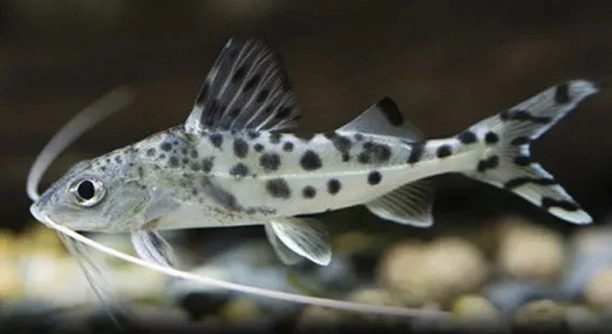
Cats are usually calm creatures, but sometimes their behavior can change suddenly. One example is when a catfish begins to chase other fish around the tank. This unexpected action can surprise many pet owners who are used to seeing a peaceful pet.
Your catfish may chase others due to territorial instincts, competition for food, or stress from changes in the environment. These behaviors are natural responses to protect their space or secure resources within their habitat.
Understanding why your catfish acts this way can help you create a calmer tank environment. This article will explain the reasons behind this behavior and offer tips to manage it.
Understanding Catfish Territorial Behavior
Catfish are naturally territorial animals, especially certain species like the pleco or the corydoras. When they chase other fish, it is often a sign they feel their space is being invaded. This behavior can increase when the tank is too small or overcrowded. Territorial chasing helps catfish establish boundaries and protect their hiding spots or feeding areas. Changes in the environment, such as adding new fish or rearranging decorations, can make catfish more defensive. Sometimes, the chasing is brief and stops once the new situation feels stable. Other times, it can become persistent, stressing both the catfish and the other fish. To minimize chasing, it’s important to provide enough space and plenty of hiding spots. This reduces stress and helps all fish feel secure.
Inadequate space is a common reason for territorial chasing, especially in small tanks.
Providing an environment where catfish can claim their own spots is key to reducing aggressive chasing. Hiding places made with rocks, plants, or driftwood give catfish comfort and reduce conflict. Also, avoiding sudden changes in the tank setup can help keep them calm. Feeding should be done consistently, so catfish do not compete over food. Watching your catfish’s behavior can help you spot when stress or aggression is building. Adjusting the tank conditions early can prevent chasing from becoming a bigger problem. Keeping the tank peaceful means less stress for all your aquatic pets.
Stress and Competition for Food
Stress in catfish often shows through chasing or aggressive behavior. Changes in water quality, temperature, or lighting can increase stress levels. If a catfish feels threatened or uncomfortable, it might chase others to push them away from its perceived safe area. Competition for food is another reason chasing occurs. Catfish can be competitive feeders, especially if food is limited or unevenly distributed. They may chase other fish to get better access to food or protect their portion. Overfeeding or feeding in multiple spots helps reduce this problem.
Chasing during feeding time is often a sign of food competition among catfish.
To manage stress and competition, maintain good water quality with regular cleaning and testing. Stable water conditions reduce discomfort and help fish feel secure. Feed catfish small amounts multiple times a day instead of one large feeding to prevent fights. Use sinking pellets or wafers to ensure bottom feeders like catfish get enough food without competing too much. Observe how your catfish behave during feeding to adjust your routine. Reducing stress and food competition helps keep your tank peaceful and fish healthy over time.
Signs Your Catfish Is Feeling Threatened
When a catfish feels threatened, its behavior changes noticeably. Chasing other fish is often accompanied by increased activity, rapid swimming, or hiding less than usual. These signs show the catfish is uncomfortable or anxious in its environment.
A sudden change in the tank environment, such as adding new fish or rearranging decorations, can trigger these signs. The catfish may patrol its territory more aggressively and chase away intruders. Stress from poor water quality or incorrect temperature can also cause similar behavior. Recognizing these signs early helps in adjusting the tank setup before the chasing becomes a bigger issue.
If chasing is persistent, watch for other signs like loss of appetite or dull coloring. These can mean the catfish is under stress and may need extra care or changes in its habitat to feel safe again.
How to Create a Peaceful Tank Environment
Creating a peaceful tank starts with providing enough space for all fish to have their own areas. Overcrowding makes catfish feel threatened and increases chasing. Aim for at least one gallon of water per inch of fish length. Adding plenty of hiding spots like caves, plants, or driftwood helps catfish feel secure.
Regular tank maintenance is important for reducing stress. Clean the tank and test the water often to keep conditions stable. Avoid sudden changes in temperature or lighting, as these can upset fish. Feeding catfish properly with sinking food helps reduce competition. A calm, balanced environment lowers chasing behavior and keeps all fish healthier and happier.
Common Triggers for Chasing Behavior
Changes in tank setup often cause chasing. Adding new fish or rearranging decorations can upset your catfish. These changes make it feel unsure and more defensive.
Another trigger is poor water quality. High levels of ammonia or nitrites stress fish and increase aggressive behavior like chasing.
Adjusting Your Tank to Reduce Chasing
Adding more plants and hiding spots gives catfish places to retreat. This helps lower stress and territorial fights. Keeping the water clean and stable is also key to reducing chasing. Avoid overcrowding by ensuring enough space per fish.
Feeding Tips to Minimize Competition
Feed sinking pellets slowly in different spots to prevent fights. Overfeeding can cause water issues, so feed in small amounts.
Monitoring Behavior for Early Signs
Watch your catfish regularly. Early signs of stress help prevent bigger problems.
FAQ
Why does my catfish suddenly chase other fish even though it used to be calm?
Catfish can change their behavior when their environment changes. New fish, rearranged decorations, or changes in water quality can make them feel threatened or stressed. This stress triggers chasing as a way to protect their space or food sources. Overcrowding or limited hiding spots also contribute to this behavior. Monitoring tank conditions and maintaining stability can help return your catfish to its usual calm state.
Is chasing always a sign of aggression in catfish?
Not necessarily. Chasing can be a natural way for catfish to establish territory or compete for food. It doesn’t always mean the fish is aggressive; sometimes it’s just defending its space. However, if the chasing leads to injury or constant stress, it should be addressed by adjusting the tank environment or population.
How can I reduce chasing behavior in my tank?
The best approach is to create more space and hiding spots. Adding plants, caves, or driftwood gives your catfish places to retreat and claim as territory. Regular water testing and cleaning keep the environment comfortable. Feeding small amounts in multiple spots reduces food competition. Avoid overcrowding by following recommended fish-to-gallon ratios.
Can chasing behavior harm other fish?
Yes, chasing can stress other fish and cause physical injuries like fin damage. Continuous harassment weakens their immune systems, making them prone to illness. It’s important to act early when chasing behavior becomes aggressive to protect all tank inhabitants.
Does the type of catfish affect how much they chase others?
Yes. Some species, like the pleco, are more territorial and prone to chasing. Others, like corydoras, are generally peaceful and less likely to chase. Knowing your catfish species helps you understand their behavior and how to manage their needs properly.
What role does water quality play in chasing behavior?
Poor water quality raises stress levels, causing fish to become more defensive and chase others more often. High ammonia, nitrite, or nitrate levels irritate fish, making them act out. Keeping water clean and balanced is crucial to reduce this unwanted behavior.
Should I separate my catfish if it keeps chasing others?
Separating the catfish can be a short-term solution to reduce stress and prevent injuries. However, this is not always practical or ideal long term. It’s better to improve the tank environment by adding space and hiding spots, adjusting stocking levels, and maintaining water quality to reduce chasing naturally.
How can I tell if chasing is due to stress or normal behavior?
Stress-related chasing is often accompanied by other signs like loss of appetite, color fading, rapid breathing, or hiding less. Normal chasing is usually brief and linked to feeding times or territorial displays without these additional symptoms.
Does feeding schedule affect chasing behavior?
Yes, feeding routines impact chasing. Irregular or insufficient feeding can increase competition and chasing. Feeding smaller amounts multiple times a day and spreading food across the tank helps reduce fights and ensures all fish get enough.
Can adding more fish help reduce chasing?
Adding more fish can sometimes help spread aggression and reduce focus on one target, but it can also increase stress and overcrowding if the tank is too small. Always research your tank’s capacity and the compatibility of new fish before adding them.
How long does it take for chasing behavior to stop after changes?
It varies, but most catfish adjust within a few days to a week after environmental changes or improvements. Patience and consistent care are key to helping them settle and reduce chasing over time.
Are there any signs that chasing behavior is harming my catfish?
If your catfish looks injured, has torn fins, stops eating, or becomes lethargic, chasing behavior might be causing harm. Monitoring your fish closely and making tank adjustments promptly helps prevent long-term damage.
Is it normal for catfish to chase during feeding only?
Yes, chasing during feeding is common as fish compete for food. This usually calms down when food is plentiful and spread evenly. Persistent chasing outside feeding times may indicate other issues.
What tank size is recommended to minimize chasing?
A larger tank reduces stress and territorial behavior. At least 20 gallons is recommended for smaller catfish, with more space needed for bigger or more territorial species. Proper stocking levels prevent overcrowding, which is a major cause of chasing.
Can changing the tank decorations reduce chasing?
Yes, adding or rearranging decorations to create multiple hiding spots can lower chasing by giving fish their own spaces. Avoid sudden, frequent changes as they may initially increase stress. Gradual adjustments work best.
Cats often surprise us with sudden changes in their behavior, and catfish are no different. When your catfish begins to chase other fish, it usually reflects a change in its environment or feelings. This chasing is often linked to natural instincts like protecting territory or competing for food. It is important to understand that such behavior is normal, even if it seems sudden. Recognizing why your catfish chases others can help you provide a better home and reduce stress for all your fish.
A peaceful tank depends on many factors, including tank size, water quality, and how well the space meets the needs of all fish. Catfish need enough room to explore and hide without feeling crowded. When there is too little space or not enough hiding places, catfish may chase others to defend their spot. Maintaining good water quality with regular cleaning and careful feeding routines also keeps stress low. By paying attention to these details, you create a calm environment where chasing becomes less frequent.
Managing chasing behavior requires patience and observation. You may need to adjust decorations or add plants to give catfish their own areas. Watching your catfish’s behavior helps you know when changes are needed. Sometimes, small tweaks like feeding more often or in different spots can make a big difference. Remember, a happy catfish and peaceful tank come from meeting their basic needs and keeping their environment stable. Taking these steps ensures your fish live healthier, calmer lives.

Hello,
If you enjoy the content that we create, please consider saying a "Thank You!" by leaving a tip.
Every little bit helps us continue crafting quality advice that supports the health, happiness, and well-being of pets around the world, for pets of all shapes, sizes, and species.
We really appreciate the kindness and support that you show us!