
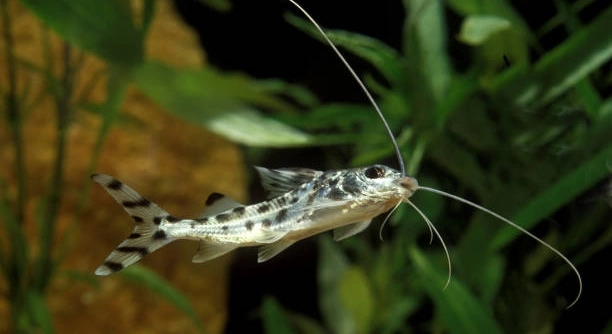
Have you ever found yourself checking the tank often, wondering if everything inside feels right to your fish or reptile?
The most reliable way to know if they like the tank setup is by observing their behavior. Calm movement, regular eating, and normal interaction with their environment typically indicate they are comfortable and content.
There are a few specific signs that can help you better understand what your pet is trying to tell you about its environment.
Signs Your Pet Enjoys the Tank Setup
A well-designed tank should make your pet feel safe and at ease. Look for steady activity, regular eating, and relaxed posture. Fish that swim smoothly without crashing into decorations or hiding too often are usually comfortable. Reptiles that bask under heat lamps, move around without hesitation, and eat on schedule tend to be well-adjusted to their environment. You might also notice your pet exploring different parts of the tank or resting in favorite spots. These behaviors show they’re not feeling stressed. Healthy pets also have clear eyes, clean skin or scales, and consistent patterns in daily routines. If your pet is active during its usual hours and reacts normally to light, noise, or your presence, the setup is likely meeting its needs. Monitoring these small details will help you feel more confident in your tank choices and allow your pet to thrive in a space that suits its instincts.
Some pets may still adjust slowly, but positive signs will appear over time.
If you’re unsure, try watching your pet during different times of the day. Activity levels, reactions to feeding, and comfort with basking or hiding can change depending on the time. Observing these patterns gives you a clearer idea of how well the setup is working.
What to Adjust If Things Seem Off
Unusual behavior, like hiding all the time or refusing food, may suggest something in the tank isn’t right.
Lighting, temperature, tank layout, and even water quality can affect your pet’s comfort. For aquatic pets, check the filtration system and make sure the water temperature matches their needs. Overhead lighting should mimic a day-night cycle, especially for reptiles. A missing or weak heat source can cause reptiles to avoid basking or stay sluggish. Tank size also matters. If your pet seems cramped or never explores, it may need more space. Hiding spots and decorations should allow movement, not block it. Try rearranging items if your pet seems stuck in one area or overly stressed. For fish, strong water flow may push them around too much; lowering it might help. If you’ve made changes recently, allow some time for adjustment before deciding if further updates are needed. Always check that food, lighting, and warmth are appropriate for your specific pet species. Small improvements can make a big difference.
Common Mistakes in Tank Setup
Sometimes the tank looks fine but might still be missing important details. Overcrowding is a common issue, as it causes stress and limits movement. Inadequate lighting, wrong temperatures, or a lack of hiding spots can also make your pet uncomfortable.
Overcleaning the tank can remove helpful bacteria that maintain balance, especially in aquatic setups. For reptiles, skipping regular bulb replacements may leave them without proper heat or UVB. Decorations that are too sharp, too large, or placed awkwardly can block movement or create unsafe areas. Substrate choices also matter—fine gravel may be swallowed by fish, while loose substrate for reptiles can lead to impaction. Sound and vibration from nearby electronics can make pets anxious. Even using the wrong filter flow or air stone can affect fish behavior. Keep things steady and quiet around the tank to avoid unnecessary stress on your pet.
Feeding in the wrong spot, such as near high-traffic areas, can create anxiety and lead to reduced appetite. It’s important to keep feeding routines calm and consistent. Loud noises, sudden lighting changes, or tapping on the glass can all contribute to long-term stress. Giving your pet space to feel hidden and safe is often more helpful than constant interaction.
Observing Behavior Over Time
Changes can happen slowly, so watching your pet for a few weeks helps reveal what’s really going on. Look for shifts in activity, feeding habits, or where they choose to rest. Consistency means they likely feel safe.
If your pet is acting differently, try to think about what has changed in the tank recently. Maybe a new decoration was added, or a light was moved. Even subtle differences in temperature can cause discomfort. Write down observations for a few days—note how often your pet eats, where it spends most of its time, and how active it is. Patterns will start to show if something is off. Pets can be sensitive to changes in their surroundings, so small details matter. Comparing behavior from week to week can help you spot trends and decide what might need fixing. Regular checks, without disrupting the setup too much, are the best way to stay informed.
Tools That Can Help
Using a thermometer and hygrometer helps you track heat and humidity levels accurately. These tools are essential for reptiles and amphibians that depend on stable conditions to stay healthy and active in their tank environment.
Water test kits can help keep things balanced in aquatic tanks. They measure pH, ammonia, nitrites, and nitrates. Knowing these levels can prevent sudden changes that make fish stressed or sick.
When to Rethink the Setup
If your pet continues to show signs of stress even after you’ve made adjustments, it might be time to rethink the tank layout or equipment. A tank that’s too small or lacks proper heat, filtration, or lighting won’t meet long-term needs. Sometimes it’s not about what’s added but what needs to be removed or rearranged. Watch how your pet uses the space—unused areas may be too cold, too bright, or too exposed. Creating balance in each part of the tank makes a big difference. Research your specific species often, since needs can shift as your pet grows or seasons change.
Trusting Your Observations
The more time you spend watching your pet, the better you’ll understand what normal looks like for them. Small changes are often the best clues.
FAQ
How long should I wait to see if my pet adjusts to a new tank setup?
It usually takes about one to two weeks for pets to adjust to changes in their environment. During this time, try not to move things around too much. Keep the routine the same—feed at the same time and limit loud noises near the tank. If your pet shows signs of stress for more than two weeks with no improvement, it might mean something in the setup still isn’t right. Some animals, especially reptiles, may need even more time. Be patient and keep an eye on their behavior.
What are signs of stress I should look for?
Common signs include loss of appetite, hiding all the time, rapid breathing, or changes in color. For fish, swimming erratically, gasping at the surface, or rubbing against objects can be indicators. Reptiles may avoid basking, become very still, or stop using parts of the tank. These changes usually mean they’re uncomfortable. Try to note when these behaviors started and if anything in the tank changed around the same time. Small fixes like adjusting lighting or cleaning up noisy surroundings can often help.
How do I know if my tank is too small?
If your pet rarely moves around or seems to spend most of the day in one corner, the tank may be too small. Animals need space to follow natural behaviors like exploring, hunting, or basking. If these things can’t happen easily, upgrading the size is worth considering. Also, check species guidelines for minimum tank size. Just because your pet fits in the space doesn’t mean it’s enough for them to stay healthy. Crowding can also affect water quality or temperature stability in smaller tanks.
Can lighting affect my pet’s mood or activity?
Yes, lighting plays a big role in how pets behave in a tank. Too much light can make them feel exposed, while too little can throw off their sense of day and night. Reptiles need UVB lighting to process nutrients and stay active. Fish often prefer moderate lighting and feel calmer with low-light hiding areas. Setting a light schedule that matches their natural cycle helps with eating, sleeping, and exploring. Avoid sudden changes, and give them dark hours to rest.
Why is my pet hiding more than usual?
Hiding isn’t always a bad sign. Some pets naturally spend a lot of time tucked away. But if this behavior increases suddenly, it might mean they’re not feeling secure. It could be caused by loud noise, too much bright light, tank mates that are too aggressive, or temperatures being off. Make sure they have enough hiding spots, and check if anything around the tank changed recently. Even rearranging the room or moving the tank can impact their comfort.
What should I change first if I think something’s wrong with the setup?
Start by checking the basics—temperature, humidity, water quality, lighting, and tank cleanliness. These are often the root of many problems. If those are fine, look at the tank layout. Are there enough places to hide? Can your pet easily reach food, basking areas, or resting spots? If things seem cramped, try rearranging or removing items before buying new equipment. Keep changes minimal and give your pet time to adjust before making another shift.
How often should I check on the tank conditions?
Try to check temperatures, lights, and water levels daily if possible. Full cleanings or deeper checks like testing water or changing bulbs can be done weekly or monthly, depending on the setup. Get into a rhythm so your pet stays in a stable environment. Regular attention helps you catch small problems before they become serious. Over time, it gets easier to spot when something is off.
Do pets get bored with their tank setup?
Some do. If your pet seems less active over time, adding safe enrichment like a new hiding spot, a branch, or a change in layout can help. But avoid overwhelming them with too many changes at once. Observe their reaction to each adjustment. You want to add interest without causing stress. For fish, try gentle current changes or new plants. For reptiles, rearrange basking items or rotate safe décor. Just keep everything in line with their natural needs.
Final Thoughts
Creating a tank your pet feels safe and happy in takes time, observation, and a few careful adjustments. What works for one animal may not be right for another, even if they are the same species. Paying attention to the way your pet behaves—whether it’s swimming, basking, hiding, or eating—will give you clues about how well they are settling in. Comfort often shows up in small ways, like consistent routines or calm movement. If something seems off, it’s usually best to check one thing at a time rather than making several changes all at once. This helps you see what actually made the difference and reduces unnecessary stress.
It’s also helpful to think of the tank as more than just a space—it’s where your pet lives every day. Clean water, proper lighting, stable temperatures, and quiet surroundings all play a big role in keeping them healthy. Tools like thermometers, hygrometers, and water test kits make it easier to stay on track without guessing. Even basic items like hiding spots, smooth decorations, and open areas for movement can help your pet feel secure. It’s okay if things aren’t perfect at first. Many setups need small changes over time. What matters most is being willing to observe, learn, and adjust when needed.
In the end, knowing your pet is comfortable comes down to watching and learning from them. No tool or guide can replace daily observation. If your pet is calm, active when expected, eating regularly, and showing normal behavior for its species, you’re likely on the right path. Don’t worry if things take time—every pet adjusts at a different pace. What matters is that you’re paying attention and trying to meet their needs. A good tank setup isn’t just about appearance; it’s about how well it supports your pet’s health and behavior in the long run. Keeping things simple, quiet, and balanced is usually the best approach.

Hello,
If you enjoy the content that we create, please consider saying a "Thank You!" by leaving a tip.
Every little bit helps us continue crafting quality advice that supports the health, happiness, and well-being of pets around the world, for pets of all shapes, sizes, and species.
We really appreciate the kindness and support that you show us!