
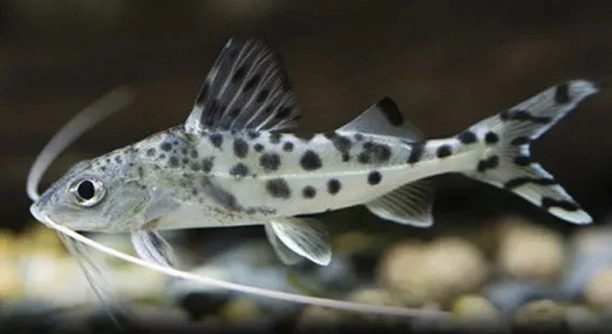
Pictus catfish are popular freshwater fish known for their peaceful nature and distinctive spotted patterns. Many aquarium enthusiasts admire their beauty and calm demeanor. Handling these fish can sometimes become necessary but should be approached with care and knowledge.
Handling a pictus catfish is generally not recommended unless necessary, as it can cause stress and physical harm to the fish. Proper techniques and minimal handling are essential to ensure the fish’s health and safety during any interaction.
Understanding when and how to handle a pictus catfish can protect both you and your fish, making sure your aquarium remains a safe environment for everyone.
Why Handling Pictus Catfish Can Be Stressful
Pictus catfish are delicate creatures that thrive in stable aquatic conditions. Handling them too often or improperly can cause serious stress. Their slimy coating, which protects against infections, can be damaged when touched, making them vulnerable to diseases. Stress can also weaken their immune system, leaving them open to illness or even death. Because pictus catfish are naturally shy and fast swimmers, trying to catch them often leads to injury, such as torn fins or bruising. Keeping handling to a minimum helps maintain their health and reduces the risk of harm. It is better to use tools like nets carefully and only when necessary, such as during tank cleaning or medical treatment.
Limiting physical contact helps pictus catfish stay comfortable and healthy. Handling should only be done when there’s no alternative.
To reduce stress during necessary handling, gently guide the fish with a soft net and avoid squeezing or grabbing. Using wet hands or gloves can protect their slime coat. Always return the fish quickly to the water to minimize distress.
When Handling Pictus Catfish Is Necessary
Handling pictus catfish is sometimes unavoidable, such as when transferring them to a new tank, treating illness, or cleaning their environment thoroughly. These moments require careful preparation to ensure the fish’s safety. Using a soft, fine-mesh net is the safest option, as it reduces the chance of injury. Before attempting to catch the fish, wet your hands or gloves to protect their skin. Move slowly and calmly to avoid startling the fish, which can cause frantic swimming or injury. Once caught, hold the fish lightly and keep it close to the water surface to reduce the risk of falling. After handling, observe the fish for signs of stress or injury, and provide a calm environment for recovery. Avoid handling if the fish shows signs of illness unless necessary for treatment, as extra stress can worsen their condition.
How to Safely Handle a Pictus Catfish
Using a soft, fine-mesh net is the best way to handle a pictus catfish. Avoid using rough or large nets that can damage their fins or skin.
Before handling, wet your hands or gloves to protect the fish’s slimy coating. Move slowly and calmly to avoid stressing the fish. Gently guide the catfish into the net without squeezing it. Once caught, keep the fish close to the water to prevent injury from falling. Handle the fish as little as possible and return it quickly to its tank.
After handling, watch the pictus catfish carefully for any signs of stress or injury, such as clamped fins or erratic swimming. Providing a calm environment with stable water conditions helps the fish recover faster. Proper handling and care can reduce stress and keep your catfish healthy over time.
Common Reasons to Handle a Pictus Catfish
Tank maintenance is one of the most common reasons for handling pictus catfish. Sometimes, moving the fish to a quarantine tank or treating illness requires gentle handling. During water changes or cleaning, handling may be necessary to remove the fish safely. Also, checking for injuries or infections may require catching the fish for closer inspection. Handling should always be brief and carefully planned to avoid unnecessary stress. When treatment or inspection is needed, it’s important to provide supportive care after handling. Minimizing the time the fish is out of the water also reduces risk.
Signs Your Pictus Catfish Needs Handling
If your pictus catfish is showing signs of illness like unusual spots, lethargy, or damaged fins, handling may be necessary for treatment. Sudden changes in behavior or appetite can also indicate health issues.
Handling should only occur when absolutely necessary to minimize stress. Regular observation helps catch problems early and reduces the need for frequent handling.
Preparing for Safe Handling
Gather all necessary tools before handling your catfish, including a soft net, clean container, and wet cloth or gloves. Ensure water parameters in both tanks are stable and similar to reduce shock.
Prepare the new environment carefully. This helps avoid extended handling time and keeps your catfish safe during transfer.
What to Avoid During Handling
Avoid grabbing the pictus catfish with dry hands or squeezing it. Rough handling can damage their delicate slime coat and fins, causing infections.
Do not handle the fish more than necessary. Prolonged exposure to air stresses the fish and may harm its health.
FAQ
Is it safe to hold a pictus catfish with my hands?
It’s not ideal to handle pictus catfish with bare hands because their protective slime coat can be damaged. If you must use your hands, make sure they are wet to reduce harm. Dry hands can remove this coating and increase the risk of infection.
How often can I handle my pictus catfish?
Handling should be limited to essential situations only, such as tank transfers or medical treatment. Frequent handling causes stress and can lead to illness. If you regularly check on your fish’s health by observing behavior without touching, it helps avoid unnecessary handling.
What is the best way to catch a pictus catfish?
Using a soft, fine-mesh net is the safest method. Move slowly and calmly to avoid startling the fish. Wetting your hands or gloves before handling will help protect the fish’s slime coat. Always keep the fish close to the water to prevent injury.
Can handling cause disease in pictus catfish?
Yes. Handling can cause physical damage to the slime coat and skin, which protects against bacteria and parasites. When this layer is damaged, the risk of infections rises. Minimizing contact and using gentle handling techniques reduce this risk.
What signs of stress should I watch for after handling?
Look for clamped fins, rapid or erratic swimming, loss of appetite, or hiding more than usual. These are common stress indicators. If you notice these behaviors, give your catfish a calm, stable environment to recover and avoid further handling.
Should I use gloves when handling my pictus catfish?
Wearing wet gloves can be helpful because they protect the slime coat and reduce the chance of injury. Make sure gloves are clean and free of chemicals. Dry gloves or rough material can harm the fish’s skin.
How long can a pictus catfish be out of water?
It’s important to keep the fish out of water for as short a time as possible. Even a few seconds can cause stress. Handle the fish quickly and gently, then return it to its tank immediately to reduce harm.
Is it better to handle a sick pictus catfish or leave it alone?
If the fish is sick, careful handling may be necessary for treatment. However, if the fish is very weak, additional stress from handling can make things worse. Consult with a veterinarian or aquatic specialist if unsure about the best course of action.
Can I train my pictus catfish to be handled?
Pictus catfish are naturally shy and don’t respond well to regular handling. Unlike some pets, they don’t become accustomed to it. Limiting contact to only necessary occasions is best for their wellbeing.
What tools are recommended for handling pictus catfish?
A soft, fine-mesh net is the best tool. Avoid using rough or large nets that could damage fins. Some people use small containers or cups to transfer fish, but nets are generally safer and more controlled.
How do I reduce stress after handling my pictus catfish?
Keep the tank environment stable with proper water temperature, pH, and cleanliness. Avoid sudden changes and loud noises. Providing plenty of hiding places helps the fish feel secure during recovery.
Can handling cause permanent damage to pictus catfish?
Repeated or rough handling can cause lasting harm, such as torn fins or infections. While occasional careful handling is usually safe, it’s important to avoid making it a regular practice.
What if my pictus catfish tries to jump out of the net?
Pictus catfish are known to be good jumpers. To prevent injury, keep the net low over the water and move slowly. Make sure the tank has a secure lid to stop escapes during handling.
Are there alternatives to handling for medical treatment?
In some cases, you can treat fish by adding medication directly to the tank water. This avoids the need for handling. However, for certain treatments or injuries, gentle handling may still be necessary.
How can I tell if my pictus catfish’s slime coat is damaged?
Signs include dull or patchy skin, redness, or white spots. The fish may also scratch against objects in the tank. These symptoms suggest the protective coating is compromised and handling should be minimized.
What is the best way to transport a pictus catfish?
Use a sturdy container with water from the tank and keep it secure to avoid shaking. Minimize handling by gently guiding the fish with a net into the container. Keep the container covered and maintain temperature to reduce stress.
Handling a pictus catfish requires care and attention. These fish are sensitive and easily stressed when touched or moved. Their protective slime coat can be damaged by handling, making them more vulnerable to illness. It is important to avoid unnecessary contact and only handle the fish when absolutely needed, such as during tank cleaning, medical treatment, or transfer to a new environment. Using proper tools like soft nets and wet hands helps reduce harm during these times.
When handling a pictus catfish, being gentle and quick is essential. Moving slowly and calmly prevents the fish from becoming frightened or injured. Always keep the fish close to the water to avoid accidental drops. After handling, monitor the fish for signs of stress or injury, such as clamped fins or unusual behavior. Providing a calm tank environment with stable water conditions helps the fish recover faster and maintain its health.
In general, it is best to respect the natural behavior of pictus catfish by limiting handling as much as possible. Observing the fish from outside the tank allows you to notice changes in health without causing stress. When handling is necessary, following safe techniques protects both the fish and the owner. This care supports the well-being of your pictus catfish and helps ensure it remains a lively and beautiful part of your aquarium.

Hello,
If you enjoy the content that we create, please consider saying a "Thank You!" by leaving a tip.
Every little bit helps us continue crafting quality advice that supports the health, happiness, and well-being of pets around the world, for pets of all shapes, sizes, and species.
We really appreciate the kindness and support that you show us!