
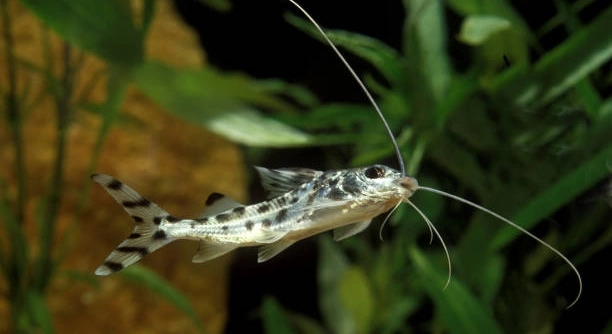
Many fish keepers enjoy having a Pictus tank because of the lively and graceful fish it holds. These fish need specific care to stay healthy and happy. Knowing what to avoid can save you from common mistakes.
There are several actions that can harm a Pictus tank, such as overfeeding, using improper water conditions, mixing aggressive fish, neglecting tank cleanliness, and failing to provide enough hiding spaces. Avoiding these ensures a balanced and thriving environment.
Learning what not to do helps maintain a peaceful and healthy aquarium. These simple guidelines will protect your fish and keep your tank beautiful for a long time.
Overfeeding Your Pictus Catfish
Overfeeding is a common mistake that many people make when caring for Pictus catfish. These fish have small stomachs and can easily become overweight or suffer from poor water quality due to leftover food. Excess food breaks down in the tank, causing harmful ammonia and nitrate levels to rise. This can stress your fish and lead to disease. Feeding your Pictus only once or twice a day with a small amount of food that they can eat within a few minutes is enough. It is better to underfeed slightly than to overfeed. Watching your fish eat will help you understand their appetite and avoid waste. Proper feeding keeps the water clean and the fish healthy, so it is important to develop a feeding routine that suits your tank’s conditions and fish behavior.
Keep meals small and consistent. Avoid tossing extra food “just in case.” Your Pictus will thank you with better health and activity.
A clean tank depends on good feeding habits. Overfeeding causes uneaten food to rot, making the water dirty and dangerous. This lowers oxygen levels and encourages harmful bacteria growth, which can lead to fish illness or death. Additionally, excess food can cloud the water, making the tank look unattractive. Cleaning a tank suffering from overfeeding problems is more work, requiring frequent water changes and filter maintenance. To avoid these issues, only feed your fish what they need. If you notice leftover food after feeding, reduce the amount next time. This simple step improves water quality and reduces your workload. Feeding properly also encourages your Pictus catfish to stay active, as they won’t feel sluggish from excess food. Healthy feeding creates a healthy environment for everyone in the tank.
Avoid Mixing Aggressive Fish with Pictus
Pictus catfish are peaceful and social but can become stressed when housed with aggressive fish. Aggressive tank mates may nip at their fins or chase them, causing injury or constant stress. Stress weakens their immune system and lowers their lifespan. Keeping Pictus with calm, compatible species helps them feel safe and behave naturally. Aggressive fish can also disrupt the tank’s balance by competing for food or space.
Selecting tank mates carefully is essential to maintain harmony. Pictus do best with other peaceful bottom dwellers or mid-level swimmers that share similar water needs.
When introducing new fish, watch their behavior closely to ensure they don’t bully your Pictus. If aggression appears, it may be necessary to separate the fish or rehome the aggressive ones. Providing plenty of hiding spots and a spacious tank also helps reduce stress by giving Pictus places to retreat. Understanding how different species interact supports a healthier, calmer tank where your Pictus catfish can thrive without fear or harm.
Neglecting Regular Water Changes
Regular water changes are essential to keep the tank clean and healthy. Without them, toxins build up quickly, harming your Pictus catfish. Skipping water changes leads to poor water quality and stressed fish.
Water changes remove waste, excess nutrients, and toxins that natural filtration alone can’t handle. In a Pictus tank, it’s important to change about 20-30% of the water weekly. This keeps ammonia and nitrate levels low and oxygen levels high. Clean water helps prevent diseases and promotes healthy behavior in your fish. Using a water conditioner is necessary to remove harmful chlorine and chloramines from tap water before adding it to the tank. Regular maintenance also keeps the tank looking clear and pleasant.
Besides water changes, cleaning the substrate and filters helps maintain a balanced environment. Uneaten food and fish waste accumulate on the tank bottom and filter media. If neglected, these can cause spikes in harmful chemicals. A clean tank prevents algae growth and ensures your Pictus can swim freely without discomfort. Consistency in tank upkeep is key to a thriving aquarium.
Using Inappropriate Tank Decorations
Using decorations that don’t suit Pictus catfish needs can cause stress or injury. Sharp or rough objects may damage their delicate barbels and fins. Smooth, natural-looking decorations work best.
Pictus catfish appreciate places to hide and explore. Driftwood, smooth rocks, and plants provide shelter and reduce stress. Decorations should not overcrowd the tank, as Pictus need enough open space to swim actively. Avoid plastic plants or sharp-edged ornaments that can tear their fins or barbels. Providing a natural setup mimics their river habitats, promoting natural behavior and comfort.
Choosing decorations carefully improves tank aesthetics and fish health. It also helps maintain stable water conditions by offering surfaces for beneficial bacteria to grow. Too many decorations can make cleaning difficult and reduce swimming space. Balance is important to create an environment where Pictus catfish can thrive safely and happily.
Ignoring Proper Tank Size
A small tank limits your Pictus catfish’s movement and growth. They need enough space to swim freely and avoid stress. A cramped environment leads to health problems.
For a healthy Pictus tank, at least 30 gallons is recommended. This size supports their active nature and reduces territorial conflicts.
Overlooking Water Temperature
Pictus catfish thrive best in water temperatures between 74°F and 79°F. Keeping the temperature steady within this range supports their metabolism and immune system.
Sudden changes or extremes in temperature can stress or even kill your fish. Use a reliable heater and thermometer to maintain consistent warmth.
Failing to Provide Hiding Spots
Pictus catfish are shy and appreciate places to hide. Without proper shelters, they become stressed and may hide constantly or stop eating.
FAQ
How often should I feed my Pictus catfish?
Feeding your Pictus once or twice a day with small portions is ideal. They have small stomachs, so only offer what they can eat within a few minutes. Overfeeding leads to leftover food, which pollutes the tank and harms your fish.
What is the best tank size for Pictus catfish?
A minimum of 30 gallons is recommended for Pictus catfish. They are active swimmers and need space to move freely. Larger tanks help reduce stress and territorial behavior while keeping water conditions more stable.
Can Pictus live with other fish?
Yes, but choose peaceful tank mates. Aggressive fish can stress or injure Pictus catfish. Suitable companions include other calm bottom dwellers or mid-level swimmers with similar water needs.
How often should I change the water?
Weekly water changes of about 20-30% help keep the water clean and safe. This removes toxins and maintains oxygen levels, promoting fish health and reducing disease risks.
What temperature is best for Pictus catfish?
Maintain water temperature between 74°F and 79°F. Keeping a steady temperature within this range supports their metabolism and immune system. Sudden changes can cause stress or illness.
What kind of decorations do Pictus need?
Use smooth decorations like driftwood, rocks, and live plants. These provide hiding spots and mimic their natural habitat. Avoid sharp or rough ornaments that can damage their delicate barbels and fins.
Why is my Pictus hiding all the time?
If your Pictus is constantly hiding, it may be stressed due to poor water quality, aggressive tank mates, or lack of proper shelter. Check water parameters, tank mates, and add more hiding spots.
How can I prevent fin damage in my Pictus catfish?
Keep tank decorations smooth and avoid overcrowding the tank. Aggressive fish or rough objects can tear fins or barbels. Regular maintenance and compatible tank mates reduce the risk of injury.
Can I keep Pictus catfish in a planted tank?
Yes, planted tanks are great for Pictus. Plants offer hiding places and help maintain water quality. Choose sturdy plants that won’t be uprooted easily by active fish.
What should I do if my Pictus looks sick?
Test water quality first to rule out poor conditions. If water parameters are fine, look for signs like spots, lethargy, or unusual behavior. Consult a vet or aquarium expert for diagnosis and treatment.
Is it necessary to use a water conditioner?
Yes, always use a water conditioner when adding tap water. It removes chlorine and chloramines that are toxic to fish, ensuring a safe environment.
How do I know if I’m overfeeding my Pictus?
Leftover food after feeding is a clear sign of overfeeding. Excess food leads to dirty water and health problems. Reduce the amount until the fish eat everything within minutes.
Can Pictus catfish live alone?
Pictus are social fish and prefer groups of at least three or more. Alone, they can become stressed or shy. A small school encourages natural behavior and activity.
What kind of food is best for Pictus catfish?
Pictus enjoy sinking pellets, frozen or live foods like bloodworms and brine shrimp. A varied diet supports their health and keeps them interested in feeding.
How do I maintain good water quality in my tank?
Regular water changes, proper feeding, good filtration, and tank cleaning keep water quality high. Avoid overcrowding and monitor water parameters to catch issues early.
Taking care of a Pictus tank requires attention to several important details. These fish are active and graceful, but they need a clean and stable environment to thrive. Avoiding common mistakes like overfeeding, mixing aggressive fish, and neglecting water changes will keep your tank healthy. By following simple care steps, you can help your Pictus catfish live longer and stay happy in their home. Remember, they are sensitive to their surroundings, so consistent care matters a lot.
Proper tank size and suitable decorations also play a big role in the well-being of your Pictus. Giving them enough room to swim freely prevents stress and aggression. At the same time, providing hiding spots makes them feel safe and comfortable. It’s important to choose smooth decorations that won’t harm their delicate barbels and fins. When the tank mimics their natural habitat, your fish will behave more naturally and enjoy a better quality of life. Keeping the temperature steady and within the right range supports their health and immune system.
Ultimately, success with a Pictus tank comes down to being mindful of their needs and paying attention to small details. Regular maintenance like water changes and monitoring water quality ensures a safe home for your fish. Avoiding overcrowding and choosing the right tank mates reduces stress and aggression. These steps create a balanced environment where your Pictus can grow and thrive. With patience and care, you can enjoy the beauty and activity of these unique catfish for many years.

Hello,
If you enjoy the content that we create, please consider saying a "Thank You!" by leaving a tip.
Every little bit helps us continue crafting quality advice that supports the health, happiness, and well-being of pets around the world, for pets of all shapes, sizes, and species.
We really appreciate the kindness and support that you show us!