
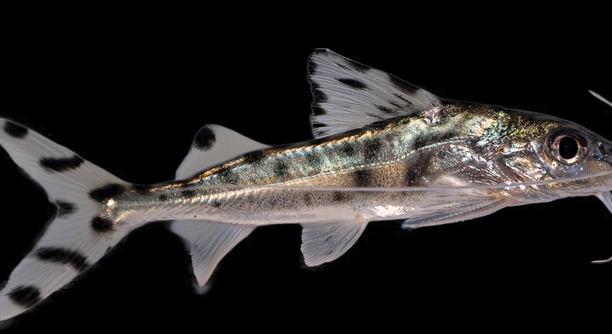
Overactivity in pictus catfish can be puzzling for many owners. These lively fish sometimes show restless or excessive movement that can affect their health and tank environment. Understanding the causes is important for better care and management.
Several factors can lead to overactivity in pictus catfish, including stress from poor water quality, insufficient hiding places, improper diet, overcrowding, sudden changes in environment, excessive light exposure, and health issues such as parasites or infections. Addressing these factors is key to maintaining balanced behavior.
Identifying these causes will help improve your pictus catfish’s wellbeing and create a more peaceful aquarium environment. The following details explain what to watch for and how to respond.
Stress from Poor Water Quality
Poor water quality is a common cause of overactivity in pictus catfish. When ammonia, nitrite, or nitrate levels rise, fish become stressed, which can trigger constant movement or erratic swimming. Chlorine and other chemicals from untreated tap water also upset their systems. Maintaining clean water with regular changes helps keep them calm. Monitoring temperature is equally important, as fluctuations may disturb their comfort and behavior. The absence of proper filtration can worsen the situation, leading to discomfort and overactive swimming. Stress caused by poor water conditions can weaken the fish’s immune system, making it vulnerable to disease. Keeping the tank clean and stable creates a more peaceful habitat for your pictus catfish.
Water quality problems can cause physical harm and trigger restless behavior. Consistent maintenance is necessary for a healthy tank.
Keeping water parameters stable and clean is essential. Using a reliable filter, performing weekly water changes, and testing water regularly will help prevent stress-related overactivity. Avoid overcrowding, which can worsen water quality quickly. Treat tap water to remove chlorine and chloramine before adding it to the tank. These steps promote a calm and balanced environment, improving your pictus catfish’s health and reducing excessive activity.
Lack of Hiding Places
Pictus catfish need places to hide and feel secure in the tank. Without enough cover, they become anxious and swim excessively to find shelter. Natural decorations like plants, rocks, and driftwood help provide safe spots. These hideouts reduce stress and create a comfortable space for resting. Over time, a tank without hiding places will cause the fish to remain restless and active, especially during the day. Even though pictus are active swimmers, they still require quiet areas to feel safe and protected from perceived threats. Including caves or dense foliage encourages natural behavior and decreases overactivity.
Providing adequate hiding places creates a sense of security. Pictus catfish are less likely to overreact to their surroundings when they feel protected.
Make sure to add multiple hiding spots spread around the tank, allowing your fish to choose where they feel most comfortable. Use materials that won’t affect water quality, such as smooth stones or safe plants. Rearranging these spots occasionally can also reduce boredom and maintain a healthy activity level. Observing your fish’s preferred hiding areas can help you adjust the tank setup to better suit their needs. Balancing open swimming spaces with ample cover is key for their wellbeing.
Improper Diet
Feeding pictus catfish an unbalanced diet can lead to overactivity. Too many high-energy foods or inconsistent feeding schedules may cause restlessness and hyperactivity.
Providing a diet rich in protein and variety helps keep their energy levels steady. Pictus catfish enjoy live or frozen foods like bloodworms and brine shrimp, supplemented with quality flakes or pellets. Overfeeding should be avoided, as it can lead to digestive issues and erratic swimming behavior. Maintaining a consistent feeding routine also supports their natural rhythms and reduces unnecessary activity caused by hunger or discomfort.
Occasional treats are fine, but daily meals should be balanced and moderate. A well-planned diet not only supports their health but also helps keep their activity at a natural and manageable level, preventing spikes in energy that may seem like overactivity.
Overcrowding
When too many fish share the same tank, pictus catfish often become overactive. Overcrowding creates competition for space and resources, leading to stress and constant movement.
Limited space causes fish to swim nervously and defend territory. Overcrowded tanks often have worse water quality, which adds to stress and restlessness. Pictus catfish need enough room to swim freely without feeling threatened by other fish. Overstocking also increases the chance of aggressive behavior, which can keep pictus catfish on edge and hyperactive. Maintaining a proper fish-to-gallon ratio reduces stress and promotes calmer behavior.
Setting up a tank with adequate space and proper filtration is key. Providing enough room for all inhabitants helps pictus catfish feel secure, lowering excessive activity caused by environmental pressure.
Sudden Changes in Environment
Sudden changes like moving the tank or rearranging decorations can stress pictus catfish. This stress often results in overactive swimming as they try to adjust.
A stable environment helps them feel safe. Minimizing sudden changes reduces anxiety and keeps their activity levels normal.
Excessive Light Exposure
Too much light can disturb pictus catfish, which prefer dimmer conditions. Bright or constant lighting causes stress and restlessness, leading to overactivity.
Using timers to mimic natural day and night cycles helps maintain a calm atmosphere. Adding shaded areas or plants provides relief from strong lighting.
Health Issues
Parasites and infections often cause pictus catfish to become restless and swim excessively. These health problems irritate the fish, leading to unusual activity.
Regular observation for signs like discoloration or clamped fins is important. Prompt treatment helps reduce discomfort and restore normal behavior.
FAQ
What causes overactivity in pictus catfish?
Overactivity in pictus catfish is mainly caused by stress factors such as poor water quality, lack of hiding places, improper diet, overcrowding, sudden changes in environment, excessive light exposure, and health issues like parasites or infections. Each factor can disturb their natural behavior and cause them to swim excessively or erratically.
How can I improve water quality to reduce overactivity?
Regular water changes, testing water parameters, and using a good filtration system are key. Remove chlorine and chloramine from tap water before adding it to the tank. Avoid overcrowding to keep ammonia and nitrate levels low. Stable water conditions help reduce stress and overactivity in pictus catfish.
Why do pictus catfish need hiding places?
Hiding spots provide security and reduce anxiety. Without them, pictus catfish feel exposed and stressed, which leads to excessive swimming and restlessness. Plants, caves, and driftwood are good options to create safe spaces, helping them feel comfortable and less hyperactive.
What is the best diet for pictus catfish?
A balanced diet with protein-rich foods like bloodworms, brine shrimp, and quality pellets or flakes is ideal. Avoid overfeeding and keep a consistent feeding schedule. Too much high-energy food or irregular feeding can cause bursts of activity and digestive problems.
How does overcrowding affect pictus catfish behavior?
Overcrowding leads to competition for space and resources, causing stress and hyperactivity. It also degrades water quality faster, worsening the problem. Providing enough room and proper filtration reduces tension and keeps activity at healthy levels.
Can lighting impact pictus catfish activity?
Yes. Bright or constant lighting stresses pictus catfish, which prefer dimmer environments. Excessive light causes restlessness and increased movement. Using timers to create natural light cycles and providing shaded areas helps maintain calm behavior.
What signs indicate health problems causing overactivity?
Look for unusual colors, clamped fins, rapid gill movement, or scratching against surfaces. These symptoms may indicate parasites or infections, which cause discomfort and overactive swimming. Early diagnosis and treatment improve their health and behavior.
How do sudden environmental changes affect pictus catfish?
Moving the tank or rearranging decorations suddenly can stress pictus catfish. They react by swimming more as they try to adjust. Keeping the environment stable and making changes gradually helps reduce this stress and excessive activity.
Is overactivity harmful to pictus catfish?
Prolonged overactivity can cause exhaustion and weaken the immune system, making fish more prone to disease. It also increases the risk of injury from collisions with tank decorations. Addressing the underlying causes is important for their long-term wellbeing.
What steps can I take to calm an overactive pictus catfish?
Maintain clean, stable water conditions with regular testing and changes. Provide plenty of hiding places and proper lighting. Feed a balanced diet on a consistent schedule. Avoid overcrowding and minimize sudden changes. If health issues are suspected, consult a veterinarian or aquatic specialist promptly.
Overactivity in pictus catfish is a common issue that many aquarium owners face. It usually signals that something in their environment is not quite right. Whether it’s related to water quality, tank setup, diet, or health, these fish react to stress in ways that can disrupt the peace of your aquarium. Paying close attention to their behavior and the conditions in the tank helps prevent problems before they become serious. Small changes in maintenance or environment can make a big difference in calming your pictus catfish.
Maintaining stable water conditions is one of the most important factors in reducing overactivity. Regular water testing and cleaning ensure that harmful chemicals do not build up, and the fish have a healthy environment to thrive in. Along with water care, providing hiding spots like plants or decorations can make pictus catfish feel safe and less anxious. These fish are naturally active but need secure spaces to rest and hide from perceived threats. Balancing open swimming areas with sheltered spots is a key part of tank setup that many owners overlook.
Diet and tank population also influence the activity level of pictus catfish. Feeding a well-balanced diet on a consistent schedule keeps their energy steady and avoids spikes in activity caused by hunger or excess food. Overcrowding should be avoided as it increases stress and can worsen water conditions quickly. Keeping an eye on your fish’s health for signs of illness is also critical. If overactivity continues despite good care, checking for parasites or infections may be necessary. Overall, understanding and addressing these factors will help maintain a calm and healthy aquarium environment where pictus catfish can live comfortably.

Hello,
If you enjoy the content that we create, please consider saying a "Thank You!" by leaving a tip.
Every little bit helps us continue crafting quality advice that supports the health, happiness, and well-being of pets around the world, for pets of all shapes, sizes, and species.
We really appreciate the kindness and support that you show us!