
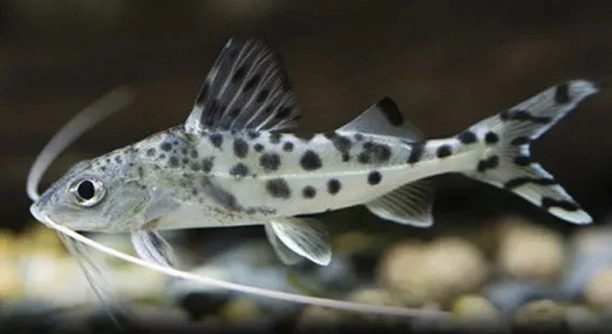
Pictus catfish are popular freshwater fish known for their active swimming and peaceful nature. Many owners enjoy watching their unique patterns and behavior. Understanding how these fish interact with their environment is important for their care.
Pictus catfish possess a well-developed lateral line system that allows them to detect vibrations and movements in the water, but they do not have traditional ears for hearing sounds outside the water. Their ability to perceive external noises is limited and primarily related to waterborne vibrations rather than airborne sounds.
Knowing how pictus catfish sense their surroundings can improve your approach to their habitat and care, ensuring a healthy and comfortable environment for them.
How Pictus Catfish Detect Sound
Pictus catfish rely mainly on their lateral line system to sense changes in their environment. This system consists of sensory cells along their body that detect water movements and vibrations. Unlike humans, they don’t have external ears to pick up sounds traveling through air. Instead, they feel vibrations that travel through water, which helps them respond to nearby activity or potential threats. This ability is important for their survival, as it allows them to detect predators or prey even in dark or murky water. Owners should understand that loud noises above the water won’t be directly heard by the fish but may cause vibrations felt in their tank. Keeping the aquarium environment calm and stable will help pictus catfish feel secure and less stressed.
The lateral line is sensitive to water vibrations but does not translate airborne sounds into signals the fish can interpret. It is limited to underwater sensory input.
Since pictus catfish rely on water vibrations, sudden loud noises around the tank may startle them indirectly. Regular low noise levels help maintain their comfort and reduce stress responses.
Effects of Noise on Pictus Catfish Behavior
Pictus catfish can become stressed or restless if the aquarium environment is exposed to frequent loud noises or vibrations. Stress can lead to changes in behavior such as hiding more often, reduced appetite, or erratic swimming patterns. It is helpful to place their tank in a quiet location, away from heavy foot traffic, speakers, or appliances that cause vibrations. Consistent and calm surroundings encourage natural behavior and promote overall health.
Stress caused by noise can weaken their immune system and affect their well-being.
Owners should monitor their catfish’s behavior for signs of distress. Reducing external noise and vibrations helps pictus catfish remain calm and healthy. Using tank covers or foam pads under the aquarium can minimize external vibrations. Maintaining steady lighting and water conditions along with low noise creates an ideal environment for pictus catfish to thrive.
Understanding the Lateral Line System
The lateral line is a sensory organ unique to fish like pictus catfish. It detects water movement and pressure changes. This system helps the fish navigate and respond to their environment.
This sensory line runs along the sides of the catfish’s body. It contains tiny hair cells that sense vibrations and nearby motion. These signals are sent to the brain, allowing the fish to detect obstacles, predators, or prey. The lateral line is especially useful in murky water where visibility is low. Since pictus catfish do not rely on sound like mammals, this system is their main way to interpret surroundings.
The lateral line system does not detect airborne sounds but is highly effective in sensing underwater vibrations. This ability supports their survival instincts and daily activities in the tank.
Minimizing Stress from Environmental Vibrations
Vibrations caused by household appliances or heavy footsteps can disturb pictus catfish. Minimizing these vibrations creates a calmer tank environment.
To reduce stress, place the aquarium on a sturdy surface away from noisy areas. Using foam padding beneath the tank can absorb vibrations. Avoid placing speakers or loud electronics near the aquarium. Consistent water conditions and low noise levels help pictus catfish maintain their natural behavior and health. A stable environment allows them to feed, swim, and rest comfortably, reducing chances of illness caused by stress.
By managing environmental vibrations, owners create a more peaceful habitat for their pictus catfish, promoting longevity and well-being.
Can Pictus Catfish Hear Airborne Sounds?
Pictus catfish cannot hear airborne sounds like humans do. Their hearing is limited to vibrations carried through water, not air. This means loud noises outside the tank are mostly undetectable to them.
Even though they don’t hear air sounds, sudden vibrations or movements near the tank can still affect them. These disturbances can cause stress or frighten the fish.
How to Keep Your Pictus Catfish Comfortable
Maintaining a quiet and stable tank environment reduces stress for pictus catfish. Avoid placing tanks near loud appliances or heavy foot traffic. Soft padding under the aquarium can lessen vibrations and improve comfort.
Importance of Water Quality
Good water quality is essential for pictus catfish health. Regular water changes and proper filtration keep their environment clean and stable. Clean water helps them stay active and reduces stress.
FAQ
Can pictus catfish hear noises outside the tank?
Pictus catfish do not hear airborne noises like humans. They sense vibrations traveling through water, not through air. Loud sounds outside the tank usually don’t register as “sound” to them but may cause vibrations felt inside the aquarium. These vibrations can startle or stress the fish if they are strong enough.
How sensitive is the lateral line system in pictus catfish?
The lateral line system is quite sensitive to underwater movement and pressure changes. It helps the fish detect nearby motion, predators, or obstacles. This sensitivity is crucial for their survival, especially in low visibility. However, it only picks up vibrations in the water, not air-based noises.
What signs show that pictus catfish are stressed by noise or vibrations?
Common signs include hiding frequently, erratic swimming, loss of appetite, or sluggish behavior. If you notice these behaviors after loud noises or vibrations, your catfish may be reacting negatively to the disturbance. Reducing noise and vibrations usually helps them calm down.
Can placing the tank in a noisy room harm my pictus catfish?
While pictus catfish don’t hear noise as humans do, constant vibrations from noisy rooms can cause stress. Over time, stress weakens their immune system and makes them more prone to illness. It’s best to keep the tank in a quiet area with stable surroundings.
How can I reduce vibrations near the aquarium?
Place the tank on a solid, level surface away from speakers, washing machines, or heavy foot traffic. Using foam padding or anti-vibration mats under the aquarium can absorb many vibrations. Limiting sudden movements around the tank also helps keep the environment calm.
Do pictus catfish respond to music or talking?
They do not respond to music or talking in the way humans do, since they can’t hear airborne sounds clearly. However, vibrations caused by loud voices or bass-heavy music might affect them indirectly. Quiet, calm surroundings are preferable to avoid stressing the fish.
Is it okay to tap on the glass of the aquarium?
Tapping on the glass can cause vibrations that disturb pictus catfish. Frequent tapping may stress or frighten them, causing erratic behavior or hiding. It’s best to avoid tapping to keep your catfish comfortable and healthy.
Can stress from noise affect the health of pictus catfish?
Yes, stress from excessive noise or vibrations can lower their immune response, making them more susceptible to diseases. Chronic stress also affects their appetite and activity levels. Minimizing stressful factors supports their long-term health.
How often should I check the tank environment for stress factors?
Regularly monitor the tank’s location and surroundings. Check for new noise sources or vibrations from household items. Adjust the placement or add padding as needed. Keeping the environment consistent helps pictus catfish feel secure and lowers stress.
What else can I do to help my pictus catfish feel safe?
Maintain clean water with proper filtration and regular changes. Provide hiding spots like plants or caves to help them feel protected. Keep lighting steady and avoid sudden temperature shifts. A calm, stable environment combined with limited noise and vibrations is best for their well-being.
Pictus catfish are fascinating creatures with unique ways of sensing their environment. Unlike humans, they do not hear sounds through the air. Instead, they rely on their lateral line system to detect vibrations and movements in the water. This ability helps them navigate their surroundings and respond to changes, even when visibility is low. Understanding this difference is important for anyone caring for pictus catfish, as it shows how sensitive they are to vibrations rather than traditional sounds. Knowing this can help owners create a better environment for their fish.
Creating a calm and stable tank environment is essential for the health and well-being of pictus catfish. Loud noises and strong vibrations near the aquarium can cause stress, which may lead to changes in behavior such as hiding or reduced appetite. Although they cannot hear airborne sounds clearly, they can still be affected by vibrations traveling through the tank’s water. Simple steps like placing the tank away from noisy appliances or heavy foot traffic, using padding under the tank, and avoiding tapping on the glass can reduce these disturbances. A quiet space helps pictus catfish feel safe and lowers their stress levels.
Besides minimizing noise and vibrations, maintaining clean water and steady conditions is just as important. Regular water changes and proper filtration keep the tank healthy and comfortable for the fish. Providing hiding spots and keeping lighting stable also support their natural behavior and reduce stress. Paying attention to these details will help pictus catfish live longer and healthier lives. Overall, understanding how pictus catfish sense their environment and taking steps to protect them from unnecessary stress benefits both the fish and their owners.

Hello,
If you enjoy the content that we create, please consider saying a "Thank You!" by leaving a tip.
Every little bit helps us continue crafting quality advice that supports the health, happiness, and well-being of pets around the world, for pets of all shapes, sizes, and species.
We really appreciate the kindness and support that you show us!