
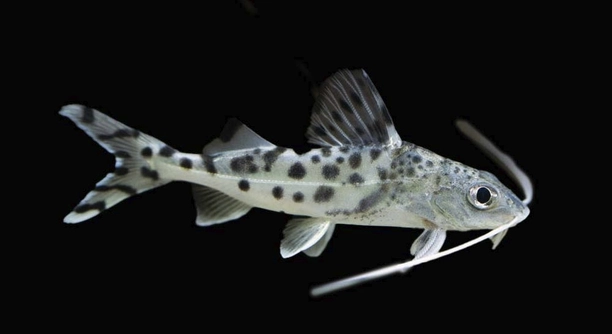
Many people enjoy keeping pictus catfish as pets because of their peaceful nature and interesting behavior. However, sometimes these fish may have trouble settling into a new environment. Recognizing the signs that a pictus isn’t adjusting well can help owners take early action.
Pictus catfish that struggle to adjust often display clear behavioral and physical signs, such as reduced activity, loss of appetite, and visible stress indicators. These symptoms typically result from changes in water quality, tank conditions, or social dynamics, affecting their overall well-being.
Knowing these signs allows you to better support your pictus during its transition. The following details will help you identify if your fish needs extra care.
Changes in Swimming Behavior
When a pictus catfish isn’t adjusting well, one of the first things you might notice is a change in its swimming behavior. Instead of its usual smooth and active movements, the fish may become sluggish or start hiding more than usual. Sometimes, it might swim erratically or stay near the surface or bottom of the tank. These changes often point to stress or discomfort caused by water conditions, temperature, or tank mates. It’s important to observe closely because altered swimming can affect their feeding and overall health. If you notice your pictus is not moving like before, check water parameters and tank setup first to ensure they meet the fish’s needs.
Erratic or reduced swimming often signals stress or poor adjustment to the tank environment.
Being aware of these signs early helps prevent health problems. Adjusting water quality, checking for aggressive tank mates, and maintaining proper tank conditions can improve your pictus’s comfort and encourage normal swimming behavior again.
Loss of Appetite
Loss of appetite is a clear sign that your pictus catfish may not be adjusting well to its environment. When stressed or uncomfortable, fish often reduce or stop eating altogether. This can lead to weakness and make them more vulnerable to illness. It’s essential to monitor feeding closely. Sometimes, changing the type or timing of food can help, but often the issue lies with tank conditions or stress factors. Maintaining a consistent routine and a calm environment can encourage your fish to start eating normally again. Don’t ignore this sign, as prolonged lack of appetite can seriously impact your fish’s health and recovery.
Unusual Hiding Spots
Pictus catfish that are not adjusting well may start hiding in unusual places. They might choose tight corners, under decorations, or even behind equipment more often than normal. This behavior shows discomfort or stress.
Hiding more than usual can be a sign your pictus feels unsafe or overwhelmed. Changes in tank setup, loud noises, or aggressive tank mates may cause this behavior. It’s important to ensure the tank environment is calm and safe. Removing any stressors and providing proper hiding spaces can help your fish feel more secure. Observing where your pictus hides can give clues about its comfort level and help you address problems quickly.
If your fish spends too much time hidden, it may stop eating or become less active. Encourage a stable environment with gentle lighting and peaceful tank mates to reduce stress and help your pictus come out more often.
Changes in Color
When a pictus catfish is stressed or uncomfortable, its color may fade or darken noticeably. This change can be temporary or longer-lasting depending on the cause.
Color changes often occur because of poor water quality, stress, or illness. A healthy pictus usually has a shiny, silver body with clear spots. If these colors dull or the fish looks unusually dark, it’s a warning sign. Regular water testing and tank maintenance are essential to prevent problems that cause color changes. Sometimes, simply improving water conditions can restore the fish’s natural color.
Stress from overcrowding or aggressive tank mates can also impact coloration. Ensuring your pictus has enough space and peaceful companions helps maintain its vibrant look. Watch closely for other signs of distress to act quickly.
Clamped Fins
Clamped fins happen when your pictus holds its fins close to its body instead of spreading them out. This is usually a sign of stress or poor water quality.
If you notice clamped fins, it’s important to check the tank environment immediately. Poor conditions or illness can cause this behavior and affect the fish’s health.
Excessive Gasping at the Surface
Excessive gasping at the surface can indicate low oxygen levels or poor water quality. When oxygen is scarce, pictus catfish try to breathe more at the surface where oxygen is higher.
This behavior often signals a problem with tank aeration, overstocking, or dirty water. Regular water changes and proper filtration are key to maintaining oxygen levels and keeping your fish healthy.
Sudden Weight Loss
Sudden weight loss in your pictus catfish can be a sign of illness or stress. It often happens when the fish isn’t eating well or is fighting an infection. Monitoring its condition closely is important.
Lethargy
What should I do if my pictus catfish shows signs of stress?
The first step is to check your tank’s water quality. Test for ammonia, nitrite, nitrate levels, and pH to ensure they are within safe ranges. Poor water conditions are the most common cause of stress. Make sure the tank is clean, and perform regular water changes. Also, observe the tank environment for anything new or harmful, like aggressive tank mates or sudden loud noises. Adjusting the temperature to the ideal range (around 74–79°F) can also help. Provide hiding spots so your pictus feels safe. If stress signs continue, consider consulting a fish specialist for potential illness.
How often should I check water parameters for my pictus?
Checking water parameters once a week is usually enough for a stable tank, but more frequent testing is needed if problems arise. Testing ammonia, nitrites, nitrates, and pH helps catch issues early. After adding new fish or making changes to the tank, test more often to ensure stability. Keeping water quality consistent is key to your pictus’s health and comfort.
Why is my pictus hiding so much?
Hiding is a natural behavior, but excessive hiding usually means your fish is stressed or uncomfortable. It could be due to changes in water conditions, aggressive tank mates, or sudden noise or light changes. Make sure the tank environment is calm, and provide plenty of safe spaces like plants or caves. Removing stressors and maintaining good water quality often encourages the fish to become more active and visible.
What does clamped fins mean, and how do I fix it?
Clamped fins mean your pictus is holding its fins close to its body, often a sign of stress or illness. This behavior usually points to poor water quality or an unsuitable environment. Improve water conditions by doing partial water changes and checking filtration. Reduce stress by keeping the tank peaceful and maintaining stable temperatures. If the behavior continues, look for signs of infection or disease and treat accordingly.
Can poor diet cause my pictus to lose weight or stop eating?
Yes. A poor diet or sudden changes in food can make your pictus lose interest in eating, which can lead to weight loss. Make sure to feed a balanced diet appropriate for pictus catfish, including sinking pellets, frozen or live foods like bloodworms, and occasional vegetable matter. Avoid overfeeding or sudden diet changes. A healthy, varied diet supports their immune system and helps them adjust better.
Is it normal for my pictus to gasp at the surface sometimes?
Occasional surface gasping can happen but should not be constant. It usually means oxygen levels are low in the tank or there is poor water circulation. Check the filter and add an air stone or increase water movement to raise oxygen levels. Avoid overcrowding your tank, as too many fish consume oxygen quickly. Constant gasping is a warning sign that needs prompt attention.
How can I reduce stress for my pictus catfish?
Keep the tank environment stable with regular water changes, proper filtration, and suitable temperature. Avoid sudden changes in lighting or water parameters. Choose peaceful tank mates and provide plenty of hiding spots. A calm and consistent routine during feeding and maintenance helps your fish feel safe. Watching your fish regularly allows you to spot early signs of stress and act quickly.
When should I worry about my pictus’s health?
If you notice persistent signs like clamped fins, loss of appetite, abnormal swimming, color changes, or constant hiding, it’s time to take action. These signs may indicate stress, illness, or poor tank conditions. Acting early can prevent serious health problems. If changes in environment and care don’t help, consider consulting a veterinarian or experienced fish keeper for advice.
Adjusting to a new environment can be challenging for pictus catfish. They show different signs when they are not feeling comfortable or stressed. Watching closely for these signs helps you understand what your fish might be going through. Changes in swimming, hiding too much, loss of appetite, or changes in color are important clues. By noticing these early, you can take steps to make their home better. Small changes in water quality, tank setup, or even the company they keep can make a big difference in how your pictus feels.
It is important to remember that good care means keeping the tank clean and stable. Regular water testing and water changes help keep the environment healthy. Temperature, oxygen levels, and tank size also play key roles in how well your fish adjusts. Stress can weaken their immune system and make them prone to illness. Providing enough hiding spots and peaceful tank mates reduces stress and helps pictus catfish feel safe. Feeding them a balanced diet that suits their needs will keep them strong and active.
Taking care of a pictus catfish means paying attention to both small details and bigger factors in their environment. When you notice something is wrong, act quickly to fix it. Sometimes the problem is easy to solve, like improving water quality or adjusting the temperature. Other times, it may need more patience and observation. Supporting your pictus during its adjustment period helps it live a healthier, happier life. With time and care, your fish can thrive and show its natural, beautiful behavior.

Hello,
If you enjoy the content that we create, please consider saying a "Thank You!" by leaving a tip.
Every little bit helps us continue crafting quality advice that supports the health, happiness, and well-being of pets around the world, for pets of all shapes, sizes, and species.
We really appreciate the kindness and support that you show us!