
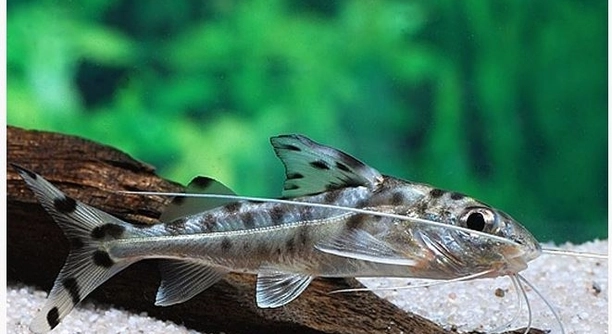
Are you noticing your pictus fish losing its vibrant colors over time? Many aquarists face this issue, which can be frustrating when trying to keep their fish looking healthy and bright. Color fading is a common concern among pictus owners.
Pictus color fading usually occurs due to factors such as poor water quality, inadequate diet, stress, improper lighting, aging, disease, or genetics. Each of these influences can diminish pigment production and overall fish health, resulting in a loss of vivid coloration.
Understanding these causes will help you maintain your pictus’s natural beauty and well-being. This article will guide you through the most common reasons behind color fading and what you can do to prevent it.
Poor Water Quality
Maintaining clean water is essential for pictus fish color retention. When water conditions worsen, it stresses the fish and weakens their immune system, which directly affects their appearance. Common water problems include high ammonia, nitrite, and nitrate levels. These toxins irritate fish and interfere with pigment cells. Additionally, inconsistent pH or temperature fluctuations can add stress. Regular water changes, proper filtration, and monitoring water parameters help keep the environment stable. This promotes healthy fish and vibrant coloration. Neglecting water quality often leads to dull and faded colors over time, making your pictus look less lively than they should.
Regular water testing and consistent tank maintenance are key to preventing color loss caused by poor water quality.
Proper filtration removes harmful chemicals and waste from the water. It also increases oxygen levels, which is vital for the fish’s metabolism. Clean water allows pictus fish to stay active and maintain their bright colors. Using water conditioners can neutralize toxins after water changes. Monitoring the tank’s pH and temperature ensures that the environment matches the fish’s natural habitat. These steps reduce stress and help pigment cells function correctly. Overall, clean water creates the foundation for healthy fish and lasting color.
Inadequate Diet
A balanced diet directly impacts the vibrancy of pictus fish colors. Without the right nutrients, especially carotenoids and vitamins, the pigments in their skin cannot develop properly. Feeding low-quality flakes or pellets lacking essential nutrients often results in dull colors. Including live or frozen foods such as bloodworms, brine shrimp, and daphnia can enhance coloration. These foods provide natural pigments and proteins needed for healthy scales. Variety in diet also supports overall health and immunity, which contributes to maintaining bright colors. Feeding your fish a well-rounded diet regularly helps keep their colors rich and prevents fading.
Providing nutrient-rich foods and supplements improves the fish’s pigment production and overall vitality.
Stress and Its Effects
Stress causes pictus fish to lose color quickly. It can come from overcrowding, aggressive tank mates, or sudden changes in the environment.
Stress triggers the release of hormones that suppress pigment cells, leading to faded colors. Fish under constant stress have weaker immune systems, making them more vulnerable to diseases. Common stress sources include poor water quality, inappropriate tank size, and frequent handling. Even loud noises or bright lights can increase stress levels. Reducing these factors helps fish regain and maintain their natural colors. Creating a calm and stable tank environment is essential to minimize stress effects.
To lower stress, ensure enough hiding spots and limit aggressive fish. Consistent water parameters and gentle care reduce stress and promote color retention.
Lighting and Color Fading
Lighting affects how vivid your pictus fish appear. Inadequate or excessive light can cause their colors to fade over time. Natural light cycles or aquarium lights with the right spectrum help maintain pigmentation. Too much bright light may bleach colors or stress the fish. On the other hand, insufficient lighting can limit pigment production. Using adjustable LED lights or timers helps replicate natural conditions, supporting healthy coloration. Balancing light intensity and duration encourages pigment cells to function optimally.
Artificial lighting should match the tank’s needs, simulating natural daylight. Proper light exposure helps pictus fish display their true colors without harm.
Maintaining a consistent light schedule supports regular biological rhythms, which influence color development. Light also affects algae growth, which impacts water quality indirectly. Choosing full-spectrum lights designed for freshwater tanks benefits fish health and appearance. Avoid placing tanks in direct sunlight to prevent overheating and rapid algae growth. With proper lighting control, your pictus fish can stay colorful and vibrant longer.
Aging and Color Changes
As pictus fish age, their colors naturally become less vibrant. This fading is part of their life cycle and happens gradually over time.
Older fish may also experience slower metabolism, which affects pigment production. Color changes with age are normal and not always a sign of illness.
Disease and Parasites
Illnesses and parasites often cause color loss in pictus fish. Infections damage skin and scales, reducing pigmentation. Common diseases like ich or fungal infections dull their appearance. Parasites irritate the fish, leading to stress and color fading. Treating health issues promptly is important to restore and maintain vibrant colors. Preventive care includes quarantine and regular observation for any signs of sickness.
Genetics
Some pictus fish naturally have less intense coloration due to their genetic makeup. This inherited trait can result in duller colors regardless of care.
Tank Environment
The overall setup of the tank, including decorations and substrate, influences how colors appear. Darker backgrounds tend to enhance the fish’s brightness and contrast.
Why is my pictus fish losing color suddenly?
Sudden color loss often points to stress or illness. Changes in water quality, temperature, or aggressive tank mates can shock your fish. Diseases like ich or fungal infections also cause rapid fading. Check water parameters immediately and observe for any signs of sickness. Treat infections promptly and improve tank conditions to help your pictus regain its color.
How often should I change the water to prevent color fading?
Regular water changes are crucial. Changing 20-30% of the tank water weekly keeps ammonia and nitrate levels low, reducing stress and promoting healthy coloration. More frequent changes may be needed in smaller or heavily stocked tanks. Use a water conditioner to remove chlorine and chloramines from tap water before adding it to the tank.
Can diet alone restore faded colors?
A good diet supports color recovery but may not fully restore faded pigmentation if other issues persist. Nutrient-rich foods with natural pigments like carotenoids are helpful. Live or frozen foods boost nutrition and promote healthy scales. However, addressing water quality, stress, and lighting is equally important for lasting color improvement.
Is it normal for pictus fish to lose color as they get older?
Yes, color fading with age is natural. Older pictus fish typically show less vibrant colors due to slower metabolism and pigment cell changes. This process happens gradually and should not be confused with disease or poor care. Providing good nutrition and clean water can help older fish maintain the best possible color.
Can poor lighting cause pictus fish to fade?
Yes, improper lighting can dull fish colors. Too much light can bleach pigments or stress the fish, while too little light limits pigment development. Use aquarium lights with the correct spectrum and duration, ideally 8-10 hours daily. A balanced light schedule helps maintain natural coloration and fish health.
Do tank decorations affect pictus fish color?
Yes, tank environment impacts how colors appear. Darker backgrounds and substrates enhance the contrast and make colors stand out more. Bright or reflective decorations may wash out the fish’s appearance. Choosing natural-looking decor and appropriate substrate tones can improve visual vibrancy.
How can I reduce stress to prevent color loss?
Create a calm environment by avoiding overcrowding and aggressive fish. Provide plenty of hiding spots and maintain stable water conditions. Limit sudden changes like temperature swings or loud noises. Gentle handling and consistent care routines also reduce stress. Less stressed fish show brighter, healthier colors.
Are genetics responsible for color variations in pictus fish?
Genetics play a role in natural color intensity. Some pictus fish may have duller pigmentation regardless of care. While environmental factors influence color, inherited traits determine baseline vibrancy. Knowing your fish’s lineage can help set realistic expectations for color potential.
Can medications affect pictus fish coloration?
Certain medications can temporarily dull fish colors due to stress or chemical effects. Follow dosage instructions carefully and use medications only when necessary. After treatment, improve water quality and diet to support color recovery. Avoid overuse of chemicals that can harm pigment cells.
How long does it take for pictus fish colors to improve after fixing issues?
Color recovery varies based on the cause and severity. Mild fading from stress or diet may improve within weeks. More serious conditions like disease or long-term poor water quality might take months for noticeable changes. Patience and consistent care are key to restoring natural vibrancy.
Maintaining the vibrant colors of your pictus fish requires attention to several important factors. Water quality plays a crucial role in keeping your fish healthy and colorful. Regular water changes, proper filtration, and monitoring of parameters such as ammonia, nitrite, nitrate, pH, and temperature all contribute to creating a stable environment. When water conditions are not ideal, fish become stressed, and their colors begin to fade. Along with water quality, providing a balanced diet rich in essential nutrients and natural pigments is necessary. Feeding your pictus a variety of high-quality foods, including live or frozen options, helps support their pigment production and overall health.
Stress is another significant factor that can cause color loss in pictus fish. Overcrowded tanks, aggressive tank mates, sudden changes in the environment, or poor handling all contribute to stress levels. When fish are stressed, their immune system weakens, and pigment cells do not function properly. Creating a calm and stable tank environment with enough hiding spots and compatible companions helps reduce stress. Proper lighting is also important. Too much or too little light affects pigmentation, so adjusting light intensity and duration to mimic natural conditions encourages healthy coloration.
It is normal for pictus fish to experience some color changes as they age. Aging slows their metabolism and pigment cell function, leading to less intense colors over time. However, this natural fading should not be confused with problems caused by poor care or disease. Keeping your fish in good health through clean water, a nutritious diet, and a stress-free environment helps maintain the best possible color throughout their lifespan. Understanding these factors allows you to take better care of your pictus fish and enjoy their beautiful appearance for years.

Hello,
If you enjoy the content that we create, please consider saying a "Thank You!" by leaving a tip.
Every little bit helps us continue crafting quality advice that supports the health, happiness, and well-being of pets around the world, for pets of all shapes, sizes, and species.
We really appreciate the kindness and support that you show us!