
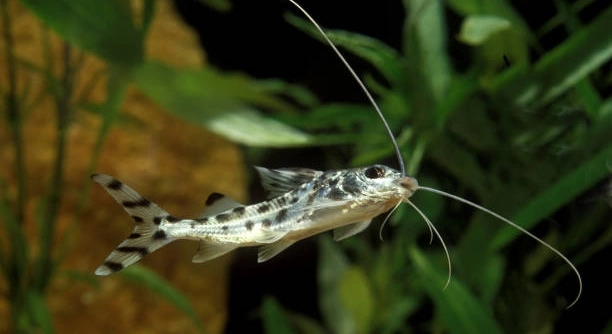
Are your Pictus catfish not growing as you expected? Many aquarium enthusiasts face this issue despite careful care. Understanding the reasons behind slow growth can help improve the health and development of your fish.
Slow growth in Pictus catfish often results from factors such as inadequate diet, poor water quality, or insufficient tank size. Addressing these conditions by providing balanced nutrition, maintaining clean water, and ensuring proper space can promote healthier growth.
Knowing the causes and solutions will help you create the best environment for your Pictus to thrive and grow steadily over time.
Common Causes of Slow Growth in Pictus Catfish
Several factors can slow down the growth of your Pictus catfish. One major issue is an unbalanced diet. Pictus require a mix of protein-rich foods such as live or frozen bloodworms, shrimp, and quality pellets. Feeding only flakes or low-nutrient foods can stunt growth. Water quality is another important aspect. Poor water conditions, including high ammonia or nitrate levels, stress the fish and affect their metabolism. Overcrowding in the tank can also limit growth, as competition for food and space becomes intense. Lastly, insufficient tank size may restrict swimming and development, as Pictus catfish are active swimmers who need room to move.
Taking time to check these factors can help identify why your Pictus isn’t growing as expected. Adjusting feeding routines, improving water conditions, and ensuring enough space are key steps toward healthier fish development.
Maintaining stable water parameters and feeding a varied diet are essential for steady growth. Small changes can make a big difference.
How to Improve Your Pictus Catfish’s Growth
Adjusting the diet to include protein-rich foods supports muscle and overall growth. Feeding live or frozen food three to four times a week is beneficial. Maintaining clean water by performing regular water changes of 20-30% weekly reduces toxins and stress. Monitor water temperature closely; Pictus thrive between 75-80°F (24-27°C). A properly sized tank, at least 30 gallons for a small group, allows enough space for exercise and growth. Avoid overcrowding by limiting tank mates and ensuring compatible species. Observing fish behavior regularly can help detect early signs of stress or illness that may hinder growth.
By focusing on these areas, you can create an environment that promotes healthy development. Consistency and attention to detail are vital for your Pictus catfish’s well-being and growth.
Tank Environment and Its Impact on Growth
Tank size plays a crucial role in your Pictus catfish’s development. Smaller tanks limit swimming space, which can stress the fish and reduce growth rates.
A tank of at least 30 gallons is recommended for a small group of Pictus catfish. These fish are active swimmers and need ample room to move freely. Overcrowding leads to competition for food and oxygen, which affects their health. Proper filtration and aeration help maintain water quality, reducing stress and promoting growth. A well-decorated tank with hiding spots also supports their natural behavior, improving overall well-being.
Regular monitoring of water parameters like pH, ammonia, nitrites, and nitrates is necessary. Keeping these stable prevents environmental stress that could slow growth. Clean, well-maintained tanks are essential for healthy fish development and growth.
Signs Your Pictus Catfish Is Under Stress
Stress often slows down growth in Pictus catfish. Signs include reduced activity, loss of appetite, and faded coloration. Spotting these early helps prevent long-term effects.
Stress can arise from poor water quality, inappropriate tank mates, or lack of hiding spaces. When stressed, fish become more vulnerable to illness and stop growing normally. It’s important to observe behavior and appearance regularly. Changes in swimming patterns or refusal to eat are signals to check tank conditions. Adjusting environmental factors and maintaining a calm setting can reduce stress and support recovery.
Ensuring consistent care and providing a suitable environment helps your Pictus regain strength and grow healthily over time.
Feeding Frequency and Its Effects
Feeding your Pictus catfish too little can slow growth, but overfeeding may cause health issues. Finding the right balance is key to their development.
Offering small portions two to three times daily supports steady growth. Uneaten food should be removed to prevent water quality problems.
The Role of Water Temperature
Water temperature directly influences metabolism in Pictus catfish. Maintaining a stable range between 75°F and 80°F helps optimize growth and activity. Sudden temperature changes can stress fish and inhibit their development.
Monitoring Growth Progress
Tracking your fish’s size and behavior over time can reveal if adjustments are needed. Regular observation helps ensure their environment supports healthy growth.
Why isn’t my Pictus catfish growing despite good care?
Even with proper care, slow growth can occur due to subtle issues. These include inconsistent water parameters, low-quality food, or stress from tank mates. Sometimes, hidden health problems like parasites or infections may also affect growth. Ensuring stable water conditions, a balanced diet rich in protein, and peaceful tank mates is crucial for steady development.
How often should I feed my Pictus catfish for optimal growth?
Feeding small amounts two to three times daily is ideal. Overfeeding can pollute the tank and cause health problems, while underfeeding may stunt growth. Make sure to offer a varied diet including live or frozen foods like bloodworms or shrimp, alongside quality pellets, to meet their nutritional needs.
Can poor water quality really affect my Pictus’s growth that much?
Yes. Poor water quality leads to stress, which slows metabolism and growth. High ammonia, nitrite, or nitrate levels can damage organs and reduce appetite. Regular water testing and changes are necessary to maintain clean, stable conditions for healthy growth.
Does tank size influence how fast my Pictus grows?
Tank size matters. Pictus catfish need at least 30 gallons for a small group. A cramped environment limits swimming and causes stress, both of which hinder growth. Larger tanks provide more space to explore and reduce competition for resources.
What temperature is best for my Pictus catfish to grow well?
A stable temperature between 75°F and 80°F (24°C to 27°C) is best. Temperatures outside this range can stress your fish and slow growth. Using a reliable heater and thermometer helps keep the temperature steady.
How can I tell if my Pictus is stressed?
Signs include lethargy, loss of appetite, hiding excessively, and faded colors. Stressed fish grow slower and are more prone to illness. Regularly observe your fish’s behavior and appearance to catch stress early.
Is it normal for Pictus catfish to grow slowly in the first few months?
Yes, young Pictus often grow slowly at first. Growth rates can vary depending on genetics and environment. Consistent care and proper conditions usually help them catch up over time.
Can adding tank decorations affect growth?
Decorations like plants and hiding spots reduce stress by providing shelter. This can indirectly improve growth. However, overcrowding the tank with decorations may limit swimming space, so balance is important.
Should I isolate a slow-growing Pictus catfish?
Isolation is only necessary if the fish shows signs of illness or bullying. Otherwise, keeping them with a peaceful group encourages natural behavior and feeding. Monitor closely and intervene if needed.
What role does water filtration play in growth?
Good filtration maintains water quality by removing waste and toxins. This reduces stress and promotes health, helping your Pictus grow well. Choose a filter suitable for your tank size and clean it regularly.
Are there any supplements that help Pictus growth?
Some aquarists use vitamin-enriched foods or supplements to boost health. While not always necessary, these can support immune function and growth, especially in stressed or recovering fish.
How long does it take for a Pictus catfish to reach full size?
Pictus catfish typically reach full size in 12 to 18 months. Growth speed depends on care, diet, and environment. Patience and consistent maintenance are essential.
Can tank mates affect my Pictus’s growth?
Aggressive or competitive tank mates can stress Pictus catfish, limiting food access and increasing stress. Choose peaceful species to avoid conflict and support healthy growth.
What’s the best way to improve slow growth quickly?
Focus on water quality, diet, and tank conditions. Increase feeding quality and frequency without overfeeding, maintain stable water parameters, and ensure sufficient space. Monitoring regularly allows you to adjust as needed for faster improvement.
How often should I test my tank water?
Testing weekly is recommended to catch issues early. Frequent checks help maintain stable conditions and prevent stress that can slow growth.
Is it normal for Pictus catfish to stop growing temporarily?
Yes, growth can pause during stress, illness, or environmental changes. Once conditions improve, growth usually resumes. Patience and proper care help support this process.
Can diseases cause slow growth in Pictus catfish?
Yes. Internal parasites, bacterial infections, or fungal diseases can reduce appetite and energy, slowing growth. Early detection and treatment are important to prevent lasting damage.
How important is lighting for Pictus growth?
Lighting affects overall tank health but does not directly impact growth. Providing a natural day-night cycle supports normal behavior and reduces stress.
Are homemade diets good for Pictus catfish growth?
Homemade diets can work if they provide balanced nutrients. However, it’s often easier and safer to use high-quality commercial foods supplemented with occasional live or frozen options.
What changes should I make if my Pictus stops growing?
Review diet, water quality, tank size, and tank mates. Address any deficiencies and improve conditions step-by-step. Observing your fish carefully helps identify the main factors to adjust.
When your Pictus catfish isn’t growing as expected, it can be frustrating. Growth depends on many factors, including diet, water quality, tank size, and stress levels. Each of these areas plays an important role in helping your fish develop properly. By making small but consistent improvements, you can create an environment that supports healthy growth. This means providing a balanced diet rich in protein, keeping the water clean and stable, and ensuring the tank is large enough for your Pictus to swim comfortably. Paying attention to these basics goes a long way in supporting your fish’s well-being.
Water quality is especially important and often overlooked. Pictus catfish are sensitive to changes in their environment, and poor water conditions can cause stress, which slows growth. Regular water testing and partial water changes help keep ammonia, nitrite, and nitrate levels low. Stable temperature and pH also reduce stress. When the water is clean and conditions are right, your fish will use their energy to grow instead of just trying to survive. Along with proper tank maintenance, avoid overcrowding and select compatible tank mates to minimize stress and competition for food.
Patience is key when helping your Pictus catfish grow. Growth does not always happen quickly or evenly. Young fish may take months to reach their full size, and periods of slow growth can be normal. Consistency in care and attention to their needs will improve their chances of thriving. By observing your fish regularly and responding to changes in behavior or appearance, you can catch problems early. Providing a calm, stable environment with good nutrition gives your Pictus the best opportunity to grow steadily and stay healthy over time.

Hello,
If you enjoy the content that we create, please consider saying a "Thank You!" by leaving a tip.
Every little bit helps us continue crafting quality advice that supports the health, happiness, and well-being of pets around the world, for pets of all shapes, sizes, and species.
We really appreciate the kindness and support that you show us!