
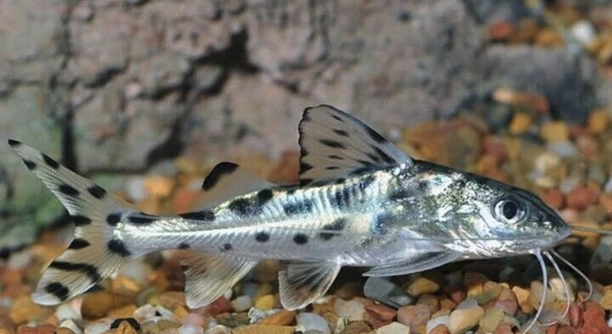
Your Pictus catfish is a lively addition to any freshwater aquarium. These fish thrive best when their environment mimics their natural habitat. Providing them with hiding places is an important part of keeping them healthy and comfortable.
Pictus catfish require places to hide because it reduces their stress and mimics the shelter they seek in the wild. Hiding spots also help regulate their activity and offer a safe retreat during times of rest or danger.
Creating a comfortable space with plenty of hiding options will improve your catfish’s wellbeing and encourage natural behavior in your aquarium.
The Importance of Hiding Places for Pictus Catfish
Pictus catfish are naturally shy and nocturnal, so they feel safest when they have places to retreat. In their natural habitats, they hide under rocks, driftwood, and dense plants to avoid predators and rest during the day. Without these hiding spots, they can become stressed, which affects their health and behavior. Stress can make them less active and even lead to illness. Providing caves, plants, and decorations gives them a secure environment where they can hide and feel safe. These hiding places also create a sense of territory, which reduces aggression among tank mates. Observing a Pictus catfish comfortably resting in its shelter is rewarding and shows it is thriving. Proper tank setup is essential for the overall balance and happiness of these fish.
Safe hiding spots reduce stress and encourage natural behaviors in Pictus catfish, leading to healthier and more active fish.
Ensuring your aquarium has various hiding options is key. You can use ceramic caves, driftwood, or live plants like Java fern. Each of these offers shelter and mimics their natural environment. Avoid sharp or rough decorations that could injure them. Changing the layout occasionally can also stimulate their curiosity and encourage exploration. Hiding spots should be accessible but not overcrowded, allowing your catfish to choose where they feel most secure. Proper lighting that dims during the day helps them feel safe to come out when ready. By carefully planning their habitat, you create a space where your Pictus catfish can feel calm and thrive.
How to Set Up Effective Hiding Spots
Choose hiding places that resemble the fish’s natural environment. Driftwood and smooth rocks work well because they offer shelter and a familiar texture.
When placing hides, think about accessibility and comfort. Avoid crowded areas that limit movement or cause stress. Variety in hiding spots lets your catfish pick a place they like best. Keep these spaces clean and free from sharp edges to prevent injuries. Hiding spots should also support natural behaviors like resting and exploring without disturbing other tank inhabitants. Providing this balanced environment helps your Pictus catfish stay healthy and happy in your aquarium for years.
Best Materials for Hiding Spots
Natural materials are the safest choice for Pictus catfish. Driftwood, smooth stones, and live plants create a comfortable and familiar environment. Avoid plastic or sharp decorations, as they can harm your fish.
Driftwood provides a sturdy and natural hiding place that also helps balance water chemistry. Smooth stones can form caves or crevices where your catfish can rest securely. Live plants like Java fern or Anubias offer cover and improve water quality by absorbing toxins. These materials mimic the catfish’s natural habitat, making them feel safe and reducing stress. Choosing natural elements also keeps the tank environment healthier and more balanced for all its inhabitants.
Plastic decorations often have rough edges or contain harmful chemicals that can injure or stress your Pictus catfish. Sharp or rough surfaces increase the risk of fin damage or infection. Using natural materials ensures your tank stays safe and comfortable. It also supports the natural behaviors of your catfish, like hiding and resting peacefully. Proper materials contribute to a more attractive and functional aquarium where your fish can thrive.
Positioning Hiding Spots in Your Aquarium
Place hiding spots in quiet, dim areas of the tank where your catfish can retreat without disturbance. This creates a peaceful environment and encourages natural behavior.
Hiding places near the bottom of the tank are ideal since Pictus catfish spend most of their time close to the substrate. Positioning caves or plants around the corners and edges provides shelter without obstructing swimming paths. Keep some open areas for exploration and activity. Make sure hiding spots are spaced out so the catfish can move freely without feeling crowded. Proper positioning supports their need for security while allowing them to interact with other fish comfortably. This balance helps maintain a calm, healthy aquarium atmosphere.
Maintaining Clean Hiding Spots
Hiding places can collect waste and debris, which harms water quality. Regular cleaning keeps these areas safe and comfortable for your catfish.
Use a gentle brush or siphon to remove dirt without disturbing the fish. Clean decorations during water changes to maintain a healthy tank environment.
Signs Your Pictus Catfish Needs More Hiding Spots
If your catfish hides constantly in one spot or shows signs of stress like erratic swimming or dull color, it may need additional hiding places. Lack of shelter can make them feel unsafe and anxious. Adding more cover reduces stress and helps them feel secure, promoting healthier behavior and better overall wellbeing.
Avoid Overcrowding the Tank
Too many hiding spots can reduce swimming space and cause territorial disputes among fish. Keep a good balance between open areas and shelters to maintain harmony.
FAQ
Why do Pictus catfish need hiding spots?
Pictus catfish are naturally shy and feel vulnerable in open spaces. Hiding spots reduce their stress by giving them places to rest and escape perceived threats. These shelters also help mimic their natural environment, encouraging natural behaviors and improving overall health.
Can I use plastic decorations as hiding spots?
Plastic decorations are not ideal because they can have rough edges and sometimes contain chemicals harmful to your fish. Natural materials like driftwood, smooth stones, and live plants are safer and more comfortable for Pictus catfish. These natural hides also help maintain better water quality.
How often should I clean hiding places?
Hiding spots should be cleaned regularly, usually during your routine water changes. Use a soft brush or siphon to remove debris and algae buildup gently. Avoid harsh chemicals or scrubbing too hard, as this can damage natural materials and disturb beneficial bacteria.
Is it okay to have too many hiding spots?
Having too many hiding places can reduce swimming space, which may cause territorial disputes or stress. It’s important to balance open areas and hiding spots so your catfish has enough room to swim comfortably while still feeling secure.
Where should I place hiding spots in the tank?
Place hiding spots near the bottom and around the edges of the tank, where Pictus catfish naturally spend their time. These areas should be quieter and dimmer, allowing the fish to retreat without feeling exposed. Avoid overcrowding to keep swimming paths clear.
What types of plants are good for hiding spots?
Low-maintenance plants like Java fern, Anubias, and Amazon sword work well. They provide natural cover, improve water quality, and create a peaceful environment. Make sure plants are securely anchored so they don’t float or get uprooted easily.
Will hiding spots help reduce aggression?
Yes, hiding places give Pictus catfish and other tank mates space to establish territories and avoid confrontations. When fish have their own shelter, they are less likely to compete aggressively, which helps keep the tank peaceful.
Can Pictus catfish hide too much?
If your catfish hides constantly and never comes out, it might be stressed or sick. While hiding is normal, excessive hiding can indicate poor water conditions, tankmates that bother them, or illness. Check the environment and water quality if this happens.
Do Pictus catfish prefer specific hiding spot shapes or sizes?
They prefer spots large enough to enter and turn around comfortably but small enough to feel secure. Rounded caves, hollow logs, and dense plant clusters are great options. Make sure openings aren’t too tight, which can cause stress or injury.
How do hiding spots affect breeding?
During breeding, Pictus catfish seek out secure shelters for spawning and protecting eggs. Providing caves or dense plants encourages natural breeding behavior and gives parents a safe space to care for their young. This helps increase survival rates of fry.
Providing your Pictus catfish with places to hide is essential for their wellbeing. These fish are naturally shy and feel most comfortable when they have a safe space to retreat. Without adequate hiding spots, they can become stressed, which affects their health and behavior. When you create a tank environment that offers secure shelters, you help your catfish feel calm and reduce anxiety. This simple step supports their natural instincts and encourages them to behave in ways that keep them healthy and active.
Choosing the right materials and positioning hiding places thoughtfully makes a big difference. Natural decorations like driftwood, smooth stones, and live plants work best because they mimic the catfish’s natural environment. These materials not only offer shelter but also improve water quality and tank aesthetics. It’s important to avoid sharp or rough decorations that could injure your fish. Placing hiding spots near the bottom and around the edges of the aquarium creates quiet areas where your catfish can rest peacefully. A good balance between open swimming areas and hiding places keeps the tank environment comfortable and reduces stress among all fish.
Regular maintenance of hiding spots is also important for keeping your Pictus catfish healthy. Debris and waste can accumulate in these areas, which can lower water quality and lead to illness. Cleaning hiding places gently during water changes helps prevent this. Additionally, monitoring your catfish’s behavior can show if they need more shelter or if something in the tank is causing stress. By paying attention to these details and providing proper hiding places, you create a supportive habitat that allows your Pictus catfish to thrive for a long time.

Hello,
If you enjoy the content that we create, please consider saying a "Thank You!" by leaving a tip.
Every little bit helps us continue crafting quality advice that supports the health, happiness, and well-being of pets around the world, for pets of all shapes, sizes, and species.
We really appreciate the kindness and support that you show us!