
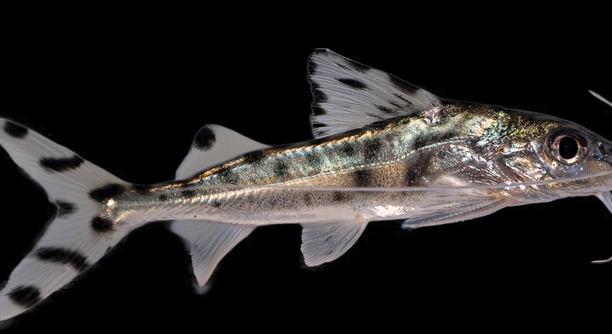
Pictus catfish are popular freshwater fish known for their active behavior and striking appearance. Many fishkeepers notice different traits in these catfish as they spend more time in their tanks. Their behavior often sparks interest in whether they develop unique personalities.
Pictus catfish do exhibit personality traits over time. Individual fish show consistent behaviors such as curiosity, boldness, or shyness, which can become more apparent as they adapt to their environment. These behaviors are influenced by both genetics and tank conditions.
Observing these changes can deepen your appreciation for pictus catfish and enhance how you care for them in your aquarium.
How Pictus Catfish Behave in a New Environment
When pictus catfish first arrive in a tank, their behavior can seem quite unpredictable. They may hide for several days, cautiously exploring their surroundings only at night. This initial shy behavior is normal and reflects their instinct to avoid predators. Over time, they start to swim more confidently during the day and interact with their environment. Some will investigate new decorations or plants, while others stick close to the tank bottom. The level of activity can vary depending on tank conditions such as water quality and lighting. Proper acclimation and a stress-free setup help pictus catfish settle faster. Each fish may display different reactions to changes like new tankmates or rearranged decorations. Monitoring these behaviors gives insight into their comfort and health. Observing a pictus catfish as it adapts is rewarding and shows how they respond to care and environment.
Initial adaptation varies among pictus catfish, with some adjusting faster than others depending on individual temperament.
Consistent observation during the first few weeks after introduction can reveal whether a fish is comfortable or stressed. Shy fish might need more hiding spots, while bolder ones often explore quickly. Noticing small behavioral shifts, such as increased activity or curiosity, indicates they are growing accustomed to their surroundings. Environmental factors like temperature stability and clean water contribute to these positive changes. Offering a varied diet also encourages natural foraging behavior and builds trust between the fish and keeper. Over time, these early interactions shape the distinct personality traits pictus catfish show.
Recognizing Personality Traits in Pictus Catfish
Personality traits in pictus catfish become clearer as they settle into a routine.
Some pictus catfish show boldness by approaching the glass when you enter the room or investigating new items. Others stay cautious, preferring to hide or swim away quickly. These differences reflect individual comfort levels and temperament. While their behavior is partly genetic, the environment also plays a role in shaping their personality. For instance, fish in a calm, stable tank tend to be more confident. Conversely, frequent disturbances can increase skittishness. Over months, owners may notice consistent traits such as sociability with tankmates or curiosity about feeding times. These behaviors make each pictus catfish unique. Understanding these traits helps provide better care, matching tank conditions to their needs and ensuring they thrive.
Regular interaction and observation highlight the distinct personalities pictus catfish develop over time.
Factors Influencing Pictus Catfish Personality
Tank environment plays a big role in shaping a pictus catfish’s personality. Stable water parameters and appropriate tank mates encourage positive behavior. Stressful conditions often cause shy or nervous reactions.
Water quality directly affects their health and mood. Clean, well-filtered water reduces stress, making fish more active and curious. Tank size also matters; overcrowding can lead to aggression or hiding. The presence of compatible tank mates helps them feel secure and social. Lighting influences activity, with dimmer light encouraging natural nocturnal behaviors. Changes in the environment should be gradual to avoid startling them. Even diet impacts behavior — varied, nutritious food supports vitality and interest. All these factors together create the conditions where personality traits can emerge or be suppressed.
By observing their reactions to these conditions, you can adjust the tank setup to support their well-being. Careful management of the environment encourages confident and engaging behavior in pictus catfish.
How to Encourage Positive Personality Traits
Consistent care and interaction help pictus catfish develop positive traits like curiosity and boldness.
Providing hiding spots alongside open swimming areas gives them choice and comfort, encouraging natural exploration. Feeding routines that include hand-feeding or placing food in different locations stimulate mental activity. Avoiding sudden changes reduces stress, allowing personality traits to surface naturally. Gentle handling of tank maintenance can help fish build trust. Including peaceful tank mates prevents intimidation and supports social behavior. Regular observation helps identify any changes in temperament that might indicate health or environmental issues. Creating a balanced environment with both stimulation and security allows pictus catfish to thrive and express their unique personalities.
Over time, these efforts lead to stronger bonds between keeper and fish, making the aquarium more enjoyable for both.
Signs Your Pictus Catfish Is Comfortable
A comfortable pictus catfish swims openly and explores the tank regularly. It will often come out during feeding times without hesitation. These are clear signs of trust and well-being.
They may also interact gently with tankmates and rest in visible areas. Calm behavior and consistent activity levels show they feel secure in their environment.
How Stress Affects Behavior
Stress causes pictus catfish to hide more and become less active. They may refuse food or show erratic swimming patterns. Stress can weaken their immune system, making them prone to illness. Identifying and reducing stressors in the tank is crucial for their health and personality expression.
Impact of Tankmates on Personality
Aggressive or overly active tankmates can intimidate pictus catfish. This often leads to shy or reclusive behavior. Choosing peaceful companions helps pictus catfish feel safe and encourages natural, confident behavior.
Monitoring Behavioral Changes
Regular observation helps catch early signs of illness or stress. Noticing changes in personality can indicate a need for tank adjustments or health checks.
FAQ
Do pictus catfish recognize their owners?
Pictus catfish may recognize their owners by movement and feeding routines. They can learn to associate a person’s presence with feeding time, often becoming more active when someone approaches the tank. While they don’t form attachments like mammals, their response shows some level of recognition and familiarity.
How long does it take for pictus catfish to show personality?
Personality traits usually become noticeable within a few weeks of settling in. Initial shy or cautious behavior will often give way to more confident actions as the fish adapts. This timeline varies depending on tank conditions, health, and individual temperament.
Can pictus catfish get lonely or bored?
Pictus catfish are social animals and prefer living in groups of at least three or more. Without companions, they may show signs of stress or inactivity. A well-set tank with hiding places and regular interaction helps keep them mentally stimulated and reduces boredom.
What behaviors indicate a happy pictus catfish?
Active swimming, exploring, and regular feeding response are signs of a happy pictus catfish. They may also interact calmly with tankmates and rest in open spaces without hiding. These behaviors reflect comfort and good health.
How do tank conditions affect pictus catfish personality?
Stable water quality, proper temperature, and suitable tank mates create a secure environment that encourages positive behaviors. Poor conditions cause stress, leading to shy or erratic actions. Consistent care supports healthy, confident personalities.
Do pictus catfish show changes in personality with age?
Yes, as pictus catfish grow and mature, their personality may evolve. Younger fish tend to be more cautious, while adults often display bolder, more distinct behaviors. Environmental changes and health status also influence their temperament over time.
Can feeding routines influence personality?
Regular feeding at consistent times helps build trust and predictability. Offering a varied diet encourages natural foraging behavior and mental engagement. This routine supports confidence and reduces stress, helping personality traits become more visible.
Are pictus catfish aggressive towards other fish?
Pictus catfish are generally peaceful but can show territorial behavior if overcrowded or stressed. They do best with calm, compatible tank mates that don’t compete aggressively for space or food. Proper stocking prevents conflicts and promotes social harmony.
What signs show a pictus catfish is stressed?
Hiding for long periods, refusing food, rapid gill movement, or frantic swimming are signs of stress. Stress weakens their immune system and may lead to illness. Identifying and correcting stress sources is essential for their well-being.
Can changes in the tank environment affect their personality?
Yes, sudden changes like new tankmates, rearranged decorations, or poor water quality can cause stress and temporarily alter behavior. Gradual changes help pictus catfish adjust without negative effects, allowing personality traits to remain stable.
How can I encourage my pictus catfish to be more interactive?
Creating a calm, stable environment with regular feeding routines encourages interaction. Placing food in different spots or offering live foods can stimulate curiosity. Avoid loud noises and sudden movements that might scare them.
Is it normal for pictus catfish to hide frequently?
Hiding is normal when they are stressed, scared, or adjusting to a new environment. However, if hiding continues long-term, it could indicate poor tank conditions or illness. Providing adequate hiding places while monitoring behavior is important.
Do pictus catfish remember their environment?
Pictus catfish have good spatial memory for their tank layout. They remember hiding spots, feeding areas, and territory boundaries. This helps them navigate confidently and feel secure in their environment.
How important is lighting for pictus catfish personality?
Lighting affects their activity levels. They prefer dim or subdued lighting that mimics their natural habitat. Too bright lighting can cause stress and hiding, while proper lighting encourages natural behaviors and interaction.
Can pictus catfish form bonds with other fish?
While not bonding like mammals, pictus catfish can form social hierarchies and recognize tankmates. Peaceful, compatible groups encourage social behaviors such as swimming together or sharing hiding spaces comfortably.
These FAQs cover common concerns and help understand how pictus catfish express personality and respond to care. Adjusting tank conditions and routines supports their well-being and allows their unique traits to shine.
Pictus catfish are more than just attractive additions to a freshwater aquarium. Over time, they reveal distinct behaviors and personality traits that make caring for them a more engaging experience. Their personalities develop as they grow more comfortable in their environment and respond to the conditions around them. This process depends on factors like water quality, tank size, diet, and tankmates. When these factors are managed well, pictus catfish tend to become more confident, curious, and active. Observing their changes helps fishkeepers understand their needs better and create a suitable habitat for them to thrive.
Understanding the personality of pictus catfish means recognizing that each fish is an individual. Some may be naturally bolder and more social, while others remain shy or cautious. These differences do not necessarily indicate a problem but reflect their unique temperaments. Personality traits can also shift based on the fish’s health and comfort level. Stress or illness often causes behaviors such as hiding or reduced activity. Creating a calm, stable environment reduces stress and supports positive behaviors. Providing plenty of hiding spaces, maintaining good water quality, and feeding a nutritious diet are all important steps in encouraging pictus catfish to show their true nature.
Taking the time to learn about pictus catfish personalities adds value to fishkeeping. It allows for a deeper connection and helps keepers meet the specific needs of their fish. These catfish are sensitive to changes and benefit from consistent care and a peaceful environment. Watching them grow more confident and engaging is rewarding. In the end, the more attention given to their personality and well-being, the more enjoyable and successful the aquarium experience will be for both the keeper and the fish.

Hello,
If you enjoy the content that we create, please consider saying a "Thank You!" by leaving a tip.
Every little bit helps us continue crafting quality advice that supports the health, happiness, and well-being of pets around the world, for pets of all shapes, sizes, and species.
We really appreciate the kindness and support that you show us!