
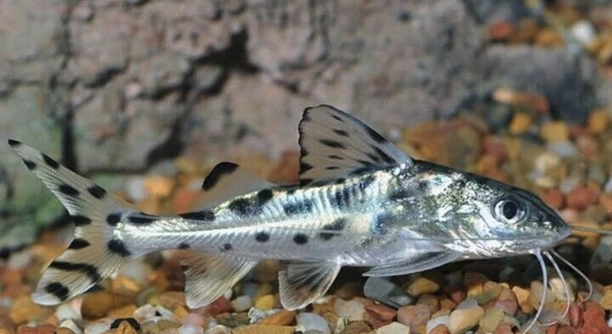
Is your fish tank starting to look a little boring, even with all the usual decorations and plants? Adding a few simple enrichment ideas can make their world feel fresh and engaging again with very little effort.
The easiest way to add enrichment to a fish tank is by introducing varied objects, textures, and routines. These small changes stimulate natural behaviors, reduce stress, and promote overall well-being in fish and other aquatic pets.
From rearranging decorations to adding floating toys or natural hiding spots, there are many ways to make their environment more exciting.
Add Natural Hiding Spots
Adding natural hiding spots is one of the easiest ways to improve tank enrichment. Use items like smooth rocks, driftwood, or live plants to create little spaces your fish can swim through or rest inside. These hiding areas help fish feel safe and reduce stress, especially in community tanks. Hiding spots also promote natural behaviors like exploring, resting, and territory building. When fish feel secure, they are less likely to show signs of anxiety or aggression. You can rearrange the spots every few weeks to keep things interesting. Avoid overcrowding the tank—make sure there’s room to swim freely too.
Make sure each fish species has the type of hiding spot it prefers. Some like dense plants, while others enjoy caves or tubes.
By using safe, aquarium-friendly materials and placing them thoughtfully, you create a more comfortable space. Keep an eye on how your fish interact with the new layout and make small adjustments if needed.
Introduce Floating Toys
Floating toys can encourage gentle interaction and movement. These toys are especially good for fish that enjoy surface activity or chasing small items.
You can use ping pong balls, floating rings, or plastic leaves to give your fish something new to explore. Just make sure everything you use is aquarium-safe and doesn’t have sharp edges or toxic coatings. Rotate these items weekly to keep your fish curious. Adding toys near feeding areas can also help associate movement with food, encouraging shy fish to come out more often. If your tank has species that nip or bump objects, avoid anything too small or lightweight. Test each item for buoyancy and watch how your fish respond. Some may ignore a toy while others stay engaged for days. Floating toys work well in both small and large tanks and are easy to clean. When used properly, they can add stimulation without overwhelming your fish.
Rearrange Tank Decor
Changing the layout of your tank is a simple way to add enrichment. It gives fish new areas to explore and can reduce boredom, especially in tanks with minimal movement or variety. Small changes can make a big difference.
Move decorations like rocks, plants, or structures to different spots in the tank. Try creating new paths or hiding places each time. You don’t need to buy anything new—just rotate what you already have. This helps your fish stay alert and active. Be gentle during rearranging to avoid stressing your fish. Make sure all decor stays secure and doesn’t block filters or heaters. Rearranging once every two weeks can keep the environment fresh and stimulating. Watch how your fish respond afterward—some may investigate right away, while others may need time to adjust.
Use this opportunity to clean under hard-to-reach areas, remove algae buildup, or check for sharp edges. Keeping decor clean and well-placed ensures your fish stay safe. Rearranging decor also gives you a chance to inspect tank equipment and make small adjustments if needed. Avoid making too many changes at once, as this could overwhelm shy or sensitive fish. A balanced mix of consistency and surprise keeps the tank engaging without causing stress.
Vary Feeding Locations
Changing where you place food can encourage natural foraging. It also prevents fish from becoming too dependent on one feeding area. This is useful in tanks with shy or slow eaters who may get pushed aside.
Try scattering pellets across the surface or dropping food in different corners of the tank. For bottom feeders, spread sinking foods across a wider area rather than placing them in one spot. You can also attach leafy greens to different areas with clips or place them in floating rings. This method encourages movement and allows each fish a chance to feed at its own pace. Fish that usually stay in one area may start exploring more. Feeding at different spots also helps reduce aggression between fish during mealtime. Over time, this habit supports a healthier tank dynamic. Just monitor portions to avoid overfeeding.
Use Safe Mirrors Occasionally
Mirrors can bring out natural behaviors like flaring or posturing. Use them for just a few minutes at a time to prevent stress. This works best for species that are territorial or enjoy social interaction.
Stick the mirror to the outside of the tank and watch how your fish react. Remove it if they seem agitated or overly active.
Create Gentle Water Movement
Adding a small bubbler or adjusting the filter output can change how water flows in the tank. This encourages your fish to swim in different areas and use more energy. Choose movement that fits your fish’s needs—some prefer calm water while others enjoy mild currents. Spread out plants or structures to break up strong flows. You can also rotate where the water movement is coming from. This keeps the tank feeling new without major changes. Always monitor how your fish respond. If they look stressed or avoid certain areas, dial it back. Fish that enjoy swimming into currents will benefit the most from this kind of enrichment.
Swap Out Decor Seasonally
Switch decorations or plants every few months to keep things fresh. Use different colors, shapes, or textures that stay safe for aquarium use.
How often should I change the tank layout for enrichment?
Changing your tank layout every two to four weeks is enough to keep things interesting without stressing your fish. Frequent small changes are better than big, sudden rearrangements. This allows your fish time to adjust and explore new areas naturally. Watch their behavior after each change to make sure they are comfortable.
Can adding too many decorations harm my fish?
Yes, overcrowding the tank with decorations can limit swimming space and reduce oxygen circulation. It can also trap waste, making the tank harder to clean. Always leave enough open water for your fish to swim freely. Choose decorations that are smooth and safe to avoid injury.
Are live plants better than artificial ones for enrichment?
Live plants often provide better enrichment because they improve water quality and create natural hiding spots. However, some fish may eat or uproot them. Artificial plants are easier to maintain but usually don’t offer the same benefits. A mix of both can work well depending on your fish species.
Is it safe to use mirrors for all fish types?
Mirrors can be beneficial for territorial or social species but may stress shy or non-aggressive fish. Use mirrors only for a few minutes at a time and watch your fish’s reaction. Remove the mirror immediately if any fish show signs of stress or aggression.
How can I tell if my fish are stressed by enrichment changes?
Signs of stress include hiding constantly, loss of appetite, rapid breathing, or unusual swimming patterns. If you notice these behaviors after adding new items or rearranging, consider reversing the change or making it more gradual. Stress reduction is important for fish health.
Can floating toys cause any harm?
Floating toys should always be smooth, non-toxic, and sized appropriately to avoid choking hazards. Some fish might nip at or swallow small pieces, so supervise their use. Remove toys if they start breaking down or causing agitation.
Should I change feeding locations every day?
Changing feeding spots two or three times a week is enough to encourage natural foraging without confusing your fish. Too much variation may cause some fish to miss meals, especially shy ones. Monitor feeding behavior closely to ensure all fish are eating well.
Will water movement enrichment raise maintenance needs?
Increasing water movement slightly may require more frequent filter cleaning because debris moves differently. It’s important to monitor water parameters regularly and adjust filter settings as needed. Proper circulation supports fish health but should not cause turbulence that stresses fish.
Are there risks to rearranging tank decorations?
Moving decorations can stir up debris and disturb beneficial bacteria colonies, so it’s best to clean the tank lightly afterward. Also, be cautious not to damage equipment or injure fish during rearranging. Slow, careful adjustments minimize risks.
How can I keep enrichment fresh without spending much?
Use items you already have, like rocks, plants, or safe household items cleaned thoroughly. Rotate these regularly instead of buying new things. Simple changes in placement or adding natural elements like leaves or twigs can be effective. Creativity is key.
Is seasonal decor swapping necessary for all tanks?
Seasonal swaps are not essential but can be a fun way to keep the tank environment interesting for both you and your fish. Changing colors or textures a few times a year mimics natural cycles and can stimulate your fish’s senses gently.
What if my fish ignore new enrichment items?
Not all fish will immediately engage with new additions. Some may take days or weeks to explore changes. Patience is important. If an item is ignored after a long period, try something different. Fish personalities vary, so enrichment should be tailored.
Can enrichment help reduce aggression in community tanks?
Yes, adding hiding spots and varying feeding locations can reduce competition and give shy fish places to retreat. Enrichment lowers stress, which often decreases aggressive behaviors. Ensuring plenty of space and visual barriers helps too.
How do I choose enrichment for specific fish species?
Research your fish’s natural habits and preferences. For example, bottom dwellers appreciate caves and plants, while surface feeders may enjoy floating toys. Tailoring enrichment to species needs provides the most benefit. Avoid items that could harm or stress your particular fish.
Is there a risk of over-stimulating fish with too much enrichment?
Yes, overwhelming fish with too many new items or rapid changes can cause stress and anxiety. It’s important to introduce enrichment gradually and observe reactions. Balanced stimulation improves well-being without causing discomfort.
How do I clean enrichment items safely?
Clean decorations and toys with warm water and a soft brush. Avoid soaps or chemicals that could harm fish. For live plants, trim dead parts carefully. Regular cleaning prevents algae buildup and keeps the tank healthy.
What enrichment is best for shy or nervous fish?
Shy fish benefit most from plenty of hiding places and gentle water flow. Avoid sudden changes or bright decorations that could startle them. Soft lighting and quiet surroundings also help shy fish feel secure.
Can enrichment reduce boredom for single fish tanks?
Absolutely. Single fish tanks can become dull, and enrichment provides mental and physical stimulation. Changing decor, adding toys, or varying feeding spots keeps a single fish active and engaged.
Are there risks when introducing new plants or decorations?
Yes, new items can introduce pests, parasites, or harmful chemicals. Always quarantine live plants before adding them and rinse decorations thoroughly. This protects your fish and keeps the tank environment stable.
How important is observation when adding enrichment?
Observation is key. Every tank and fish are different, so watching how your fish respond guides safe and effective enrichment. Adjustments should be based on their behavior and comfort.
Adding enrichment to a fish tank doesn’t have to be complicated or expensive. Simple changes like rearranging decorations, adding natural hiding spots, or varying feeding locations can make a big difference in how your fish live and behave. Enrichment helps fish stay active and reduces stress, which supports their overall health. When their environment feels fresh and engaging, fish are more likely to show natural behaviors like exploring, playing, and resting comfortably. Even small steps can improve their quality of life and make your tank more interesting to watch.
It’s important to remember that every fish and tank is different. What works well for one species might not be suitable for another. Observing your fish closely after introducing any new enrichment is key. Look for signs of comfort or stress and be ready to adjust your approach. Overdoing changes or adding too many items too quickly can overwhelm your fish, so introduce new things slowly and in moderation. Keeping enrichment balanced helps maintain a healthy and happy environment where fish feel secure.
Regularly updating your tank’s environment can be a rewarding experience for both you and your aquatic pets. You don’t need to buy fancy decorations or specialized products. Many enrichment ideas come from simply using what you already have or making small adjustments. Rotating decor, adding safe toys, or changing water flow are easy ways to keep your fish stimulated. Over time, these efforts create a more dynamic and natural setting that benefits your fish’s well-being. Taking the time to add enrichment shows care and helps your tank become a lively, thriving space.

Hello,
If you enjoy the content that we create, please consider saying a "Thank You!" by leaving a tip.
Every little bit helps us continue crafting quality advice that supports the health, happiness, and well-being of pets around the world, for pets of all shapes, sizes, and species.
We really appreciate the kindness and support that you show us!