
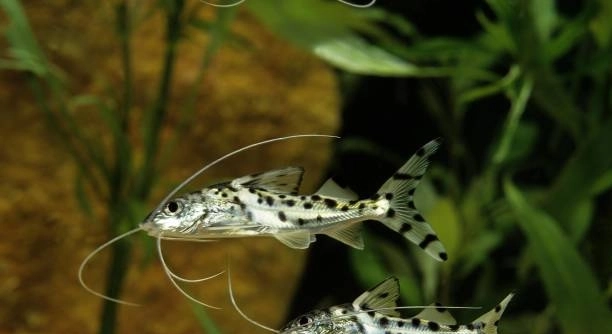
Pictus catfish are a popular choice for freshwater aquariums due to their active nature and peaceful temperament. Many aquarium owners are interested in how long it takes for these fish to become comfortable in a new environment. Understanding their settling process can help ensure their health and well-being.
Pictus catfish typically take about one to two weeks to fully settle into a new tank. This adjustment period allows them to acclimate to water conditions, explore their surroundings, and establish routines essential for their comfort and normal behavior.
Knowing the timeline for their adaptation can help you create a better environment and support their transition smoothly. This article will guide you through what to expect and how to assist your catfish as they settle in.
Factors That Influence How Quickly Pictus Catfish Settle In
Several factors affect how fast a pictus catfish feels comfortable in a new tank. Water quality is one of the most important. If the water parameters like temperature, pH, and hardness match what the fish is used to, it will adjust faster. Stress from sudden changes or rough handling can slow down the settling process. The size of the tank and the presence of hiding spots also play key roles. A larger tank with plenty of places to hide helps the catfish feel safe. Tank mates can impact their comfort too. Aggressive fish can make pictus catfish stay hidden or stressed, while peaceful companions encourage normal behavior. Feeding consistency is another factor. Regular, appropriate feeding helps the fish relax and settle more quickly.
Maintaining stable tank conditions and minimizing stress leads to faster acclimation.
Providing the right environment from the start reduces stress and helps your pictus catfish show their natural behavior sooner. Regular water tests and gentle introductions are important steps to support this process.
Signs Your Pictus Catfish Has Settled In
Once your pictus catfish has settled, certain behaviors become clear. They will swim actively, especially during feeding times, and explore the tank confidently. Hiding less often and interacting more with their environment is another sign. Their appetite will stabilize, showing they are comfortable. If you notice the fish resting calmly on the tank bottom or near decorations without panic, it indicates adjustment. Bright, clear eyes and healthy fins also show good health after settling in. Watching these signs helps you understand when your fish feels at ease and thriving in their new home.
Creating the Ideal Environment for Pictus Catfish
Stable water temperature between 75°F and 81°F is important for pictus catfish comfort. The tank should have a soft substrate and plenty of hiding spots like caves or plants to reduce stress. Low lighting helps them feel secure during the day.
A tank with a gentle filter flow mimics their natural habitat, preventing strong currents that can tire them out. Regular partial water changes keep the water clean, which is vital for their health. Avoid sudden changes in water parameters, as these cause stress and slow settling. Adding driftwood or smooth rocks can create familiar territory and make your catfish feel more at home.
Providing these environmental factors from the start makes the settling period smoother and keeps your pictus catfish healthy and active.
Feeding Habits and Settling Time
Pictus catfish need a balanced diet to settle well in their new home. Offering sinking pellets or live foods like bloodworms and brine shrimp encourages natural foraging behavior. Feeding small amounts once or twice a day prevents overfeeding and keeps water quality stable.
During the first days, your catfish might be shy or eat less. This is normal while they adjust. Gradually, as they feel safer, their appetite will return to normal. Feeding routine consistency helps them settle faster by providing a predictable environment.
Observing their feeding patterns can indicate how well they are adapting to the tank conditions. Proper nutrition supports their immune system and overall health, speeding up the adjustment period.
Common Stressors During the Settling Period
Loud noises and sudden movements near the tank can stress pictus catfish. Keeping the tank in a quiet area helps them feel safe. Frequent water parameter changes also cause stress, delaying their adjustment.
Overcrowding the tank increases competition for space and food, making it harder for them to settle. Proper tank size and compatible tank mates reduce this issue significantly.
Ideal Tank Size for Pictus Catfish
A minimum of 30 gallons is recommended for pictus catfish to have enough swimming space. Larger tanks help maintain stable water quality and provide room for hiding spots and exploration, which are essential for their comfort and well-being.
Importance of Regular Water Testing
Testing water parameters frequently ensures stable conditions. Ammonia, nitrite, and nitrate levels should be monitored closely, as spikes can harm your catfish and delay their settling process.
Patience Is Key
Settling takes time. Consistent care and attention help your pictus catfish adjust smoothly to their new environment.
FAQ
How long does it usually take for pictus catfish to stop hiding?
Pictus catfish often hide during the first several days after being introduced to a new tank. It generally takes about one to two weeks for them to start exploring openly. This depends on the tank environment and how calm the surroundings are. Providing plenty of hiding spots helps them feel secure during this phase.
What can I do to help my pictus catfish settle faster?
Keep water conditions stable by avoiding sudden changes in temperature or chemistry. Make sure the tank has enough hiding places like plants, caves, or decorations. Feed them regularly with quality food and avoid overcrowding. Minimizing noise and vibrations around the tank also reduces stress.
Is it normal for pictus catfish to refuse food at first?
Yes, it’s common for pictus catfish to eat less or refuse food during the first few days after being moved. Stress and unfamiliar surroundings can affect their appetite. Offer small amounts of food and be patient—they usually start eating normally once they feel secure.
Can pictus catfish live with other fish while settling in?
They generally do well with peaceful tank mates, but aggressive or very active fish can stress them. It’s best to introduce them to a calm environment where they won’t be chased or bullied. Stress from other fish slows their adjustment.
How important is water quality for pictus catfish settling?
Water quality is very important. Ammonia, nitrite, or nitrate spikes can harm their health and delay settling. Regular water tests and partial water changes help keep the environment stable. Clean water reduces stress and supports their immune system.
What signs show that my pictus catfish is settling in well?
Signs include increased activity, swimming confidently, and regular feeding. They will hide less often and start exploring more of the tank. Healthy fins, bright eyes, and calm resting behaviors also indicate good adjustment.
How often should I feed my pictus catfish during the settling period?
Feeding once or twice a day with small amounts is ideal. Overfeeding can pollute the water, causing stress. A balanced diet of sinking pellets and occasional live or frozen foods supports health and encourages natural feeding habits.
Will changes in tank lighting affect how pictus catfish settle?
Yes, strong lighting can make them nervous. Dim or moderate lighting is better during the settling period to reduce stress. They are more active in low light and feel safer with shaded areas.
Can stress affect pictus catfish health during settling?
Stress weakens their immune system and can lead to illness. Avoid sudden changes in their environment, keep tank conditions stable, and minimize disturbances. Healthy fish settle faster and show fewer signs of stress-related problems.
Should I rearrange the tank decorations during the settling period?
It’s best to avoid major changes during this time. Rearranging decorations can confuse and stress the catfish. Once they are comfortable, you can slowly adjust the tank setup if needed. Keeping the environment consistent helps them feel secure.
Pictus catfish need time and the right conditions to settle comfortably in a new aquarium. The settling process usually takes about one to two weeks, during which the fish adjust to their surroundings, water quality, and tank mates. Providing a stable environment with proper water parameters, gentle lighting, and plenty of hiding places helps reduce stress and speeds up this transition. Understanding these basic needs allows you to support your pictus catfish as they adapt to their new home.
During the settling period, it is normal for pictus catfish to be shy, hide frequently, and eat less. Patience is important because they gradually become more active and confident as they get used to their environment. Feeding them a balanced diet in small portions and maintaining consistent tank conditions plays a key role in helping them regain their appetite and stay healthy. Keeping the tank clean and avoiding sudden changes in water temperature or chemistry ensures that the fish remain comfortable and stress-free.
Ultimately, settling time varies for each pictus catfish depending on individual temperament and the aquarium setup. By providing a calm, stable environment and observing their behavior, you can tell when they have fully adapted. Watching your pictus catfish swim freely, explore, and feed regularly are good signs they feel secure. Taking these steps makes it easier for the fish to thrive, giving you the chance to enjoy their lively and peaceful presence in your tank.

Hello,
If you enjoy the content that we create, please consider saying a "Thank You!" by leaving a tip.
Every little bit helps us continue crafting quality advice that supports the health, happiness, and well-being of pets around the world, for pets of all shapes, sizes, and species.
We really appreciate the kindness and support that you show us!