
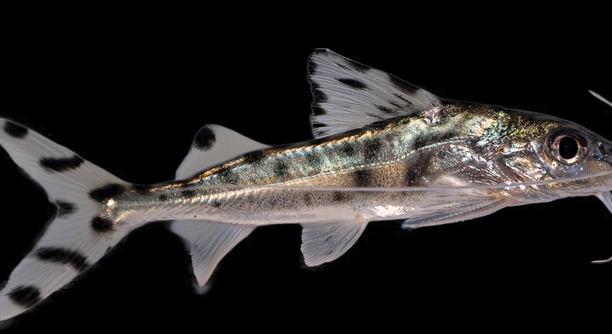
Are your Pictus catfish easily startled by sudden movements in their tank? Many fish owners notice these small, active catfish reacting quickly to changes around them. Understanding their sensitivity can help create a calm environment for them.
Pictus catfish are indeed sensitive to sudden movement. This reaction is a natural instinct for avoiding predators. Rapid or unexpected motions in their environment often cause stress, making them dart or hide. Maintaining steady surroundings helps reduce their anxiety.
Knowing how sudden movement affects Pictus catfish can improve their well-being. This article will help you create a more peaceful space for these lively fish.
Why Pictus Catfish React to Sudden Movement
Pictus catfish are naturally cautious fish. In the wild, quick movement often signals danger, such as predators nearby. Because of this, they have developed a strong instinct to react fast. When something moves suddenly in their tank, they may dart away or hide. This behavior helps them stay safe, even in a home aquarium. If the tank environment is busy with lots of movement, it can cause ongoing stress for these fish. Stress may lead to health problems or cause them to stop eating. Keeping the tank area calm and avoiding quick hand motions near the tank can help Pictus catfish feel more secure. Over time, they may become less jumpy as they get used to a peaceful setting. This careful handling supports their natural behavior while keeping them comfortable.
Sudden movement triggers a protective reflex in Pictus catfish, helping them avoid perceived threats.
Pictus catfish rely heavily on their senses to detect changes around them. Their whisker-like barbels help them explore and sense vibrations. When movement happens quickly, these barbels alert the fish to potential danger, causing an immediate reaction. Unlike some fish that may stay still, Pictus catfish choose to swim away quickly or hide under decorations. This response is effective in the wild but can be stressful in small tanks. Owners should keep the tank in a quiet location and avoid tapping on the glass or making fast motions. Gradually, the fish will feel safer and may show more relaxed behavior. Providing plenty of hiding spots is also beneficial. Understanding how their senses work can help manage their environment better for a healthier, calmer pet.
How to Minimize Stress from Movement
Reducing sudden movements around the tank is key to keeping Pictus catfish calm.
One effective way to minimize stress is by positioning the aquarium in a low-traffic area of your home. This limits the number of unexpected motions that the fish experience. Avoid tapping on the glass or leaning over the tank abruptly, as these actions cause sudden vibrations. It’s also helpful to move slowly and smoothly when performing tank maintenance or feeding. Using dimmer lighting or gentle light changes can prevent startling your fish. Adding plants and caves gives the catfish safe spots to retreat if they feel threatened. With these steps, the fish will feel less anxious, improving their overall health and activity. Over time, Pictus catfish become more comfortable and will display their natural curious behavior without constant fear of sudden movement.
Recognizing Signs of Stress in Pictus Catfish
Pictus catfish show stress in subtle ways. Look for rapid swimming, hiding more than usual, or loss of appetite. These signs often mean they feel unsafe or overwhelmed.
When stressed, Pictus catfish may become restless, swimming quickly around the tank or trying to escape. They may hide behind decorations or under plants for long periods. A stressed fish might refuse food or eat less than normal. Sometimes, their color can dull, making them look less vibrant. These changes are signals that their environment isn’t comfortable. It’s important to observe their behavior regularly so you can adjust the tank setup or handling. Reducing stress improves their health and helps them stay active and bright.
Sometimes, water quality can also cause stress. Poor water conditions combined with sudden movements will increase their anxiety. Keeping clean water and stable temperatures alongside gentle tank activity helps them thrive better. If you notice stress signs, check water parameters first, then adjust how you interact with the tank.
Creating a Calm Environment for Pictus Catfish
A calm environment starts with the right tank setup and steady daily routines.
Choose a quiet spot for your tank, away from busy hallways or loud appliances. Add plenty of hiding places like caves or plants where your catfish can retreat if needed. Avoid tapping on the glass or making quick hand movements near the tank. Consistent feeding times also help the fish feel secure. By reducing sudden disruptions and maintaining clean, stable water conditions, you create a peaceful habitat. This care allows your Pictus catfish to show more natural behaviors and stay healthy longer.
Handling Pictus Catfish with Care
Avoid sudden, fast movements when near the tank. Gentle, slow motions help keep the fish calm.
Always approach the tank quietly. Quick actions or tapping on the glass can startle Pictus catfish and cause stress.
Adjusting Tank Lighting
Bright or flashing lights can make Pictus catfish uneasy. Use dim or soft lighting to create a calm atmosphere. Avoid turning lights on or off suddenly, as this can cause sudden movements that frighten the fish.
Using Decorations to Reduce Stress
Decorations like caves and plants give hiding spots. These help Pictus catfish feel safe when startled or stressed.
Feeding Tips for Sensitive Catfish
Feed small amounts slowly to avoid sudden splashes or movement near the tank.
FAQ
Are Pictus catfish always scared of sudden movement?
Pictus catfish have a natural instinct to react quickly to sudden movement. It is part of their survival behavior. However, if their environment is calm and they feel safe, they may become less jumpy over time. Sudden movement in a noisy or busy tank will usually cause them to dart or hide. Consistent, gentle handling helps reduce their fear.
How can I tell if my Pictus catfish is stressed?
Signs of stress include rapid swimming, hiding often, loss of appetite, and dull coloring. You might also notice them rubbing against objects or appearing lethargic. These behaviors usually mean they feel unsafe or uncomfortable in their tank environment.
Can sudden movements harm Pictus catfish physically?
While sudden movements do not typically cause physical injury, they can increase stress levels. High stress weakens the immune system and makes the fish more prone to illness. Avoiding abrupt movements near the tank helps keep them healthy.
What should I do if my Pictus catfish hides all the time?
Hiding is a natural response to stress or fear. Make sure the tank has enough hiding places like plants or caves. Check water quality and avoid loud noises or fast movements. Over time, if the fish feels secure, it will spend more time swimming openly.
Is it okay to tap on the glass to get their attention?
Tapping on the glass can startle Pictus catfish and cause stress. It’s best to avoid tapping or sudden noises near the tank. Instead, try gentle hand movements or wait for the fish to come to you.
How important is tank placement for Pictus catfish sensitivity?
Tank placement matters a lot. A busy or noisy area with frequent movement can stress the fish. Placing the tank in a quiet spot with minimal foot traffic helps reduce sudden stimuli and keeps the catfish calm.
Do Pictus catfish get used to their owners?
They can become familiar with your presence and may react less nervously over time. Consistent, gentle interaction and avoiding sudden movements will encourage them to feel safe around you.
How can lighting affect sudden movement sensitivity?
Bright or flickering lights can startle Pictus catfish. Soft, steady lighting creates a calm environment, reducing stress. Avoid switching lights on or off quickly near the tank.
What role do decorations play in reducing stress?
Decorations like plants, caves, or driftwood give hiding spots. These areas provide a refuge when the fish feels threatened or startled. A well-decorated tank helps reduce the impact of sudden movements by giving the catfish places to feel secure.
Can feeding routines help reduce stress from sudden movements?
Yes, feeding slowly and calmly minimizes sudden splashes or disturbances. Feeding at the same time each day builds routine and helps the fish feel more secure in their environment. Avoid quick hand movements when adding food.
How often should I check water quality to reduce stress?
Regular water testing is important to keep the tank stable and healthy. Poor water conditions add stress to the fish and make them more sensitive to sudden movement. Weekly checks for ammonia, nitrites, nitrates, and pH help maintain good water quality.
Will Pictus catfish stop reacting to movement if they live in a quiet tank?
They may still respond to sudden movements but usually with less intensity. A quiet, stable environment lowers stress and makes the fish less jumpy. Sudden movements in a calm tank are less frequent and less likely to frighten them.
Are younger Pictus catfish more sensitive than adults?
Younger catfish may be more easily startled because they are smaller and less experienced. Adults tend to become more accustomed to their surroundings and react less strongly over time if conditions remain stable.
What can I do if my Pictus catfish seems overly nervous?
Check the tank setup for hiding spots and stable water conditions. Reduce noise and fast movements near the tank. Make feeding times calm and consistent. If nervous behavior continues, consider consulting a specialist to rule out illness or other issues.
Is it normal for Pictus catfish to jump when startled?
Yes, jumping is a natural escape response. To prevent injury, make sure the tank has a secure lid. Avoid sudden disturbances that may trigger this behavior to keep your fish safe.
Pictus catfish are naturally sensitive to sudden movement, and this is part of how they stay safe in their environment. Their quick reactions to changes help protect them from potential danger. In an aquarium, this means that sudden or fast movements around the tank can cause them stress. This stress can affect their health and behavior, making them less active or more hidden. Understanding this sensitivity is important for anyone who keeps Pictus catfish as pets. By knowing what makes them nervous, owners can create a better living space where the fish feel safe and comfortable.
Creating a calm and steady environment for Pictus catfish is one of the best ways to reduce their stress. This includes placing the tank in a quiet spot away from busy areas in the home. Avoiding quick hand movements or loud noises near the aquarium also helps. Providing plenty of hiding places like plants, caves, and decorations gives the fish a safe spot to retreat when they feel scared. Lighting plays a role too, as dim or soft light is less likely to startle them. When the fish feel secure, they are more likely to behave naturally, eat well, and show their lively personalities.
Taking care of Pictus catfish means paying attention to small details that reduce their stress from sudden movement. Gentle handling, steady feeding routines, and good water quality all contribute to their well-being. Watching for signs of stress, such as hiding or loss of appetite, can help owners adjust how they care for their fish. With patience and care, Pictus catfish can become less sensitive over time and thrive in a calm home aquarium. Understanding their needs makes the experience more rewarding for both the fish and their owners.

Hello,
If you enjoy the content that we create, please consider saying a "Thank You!" by leaving a tip.
Every little bit helps us continue crafting quality advice that supports the health, happiness, and well-being of pets around the world, for pets of all shapes, sizes, and species.
We really appreciate the kindness and support that you show us!