
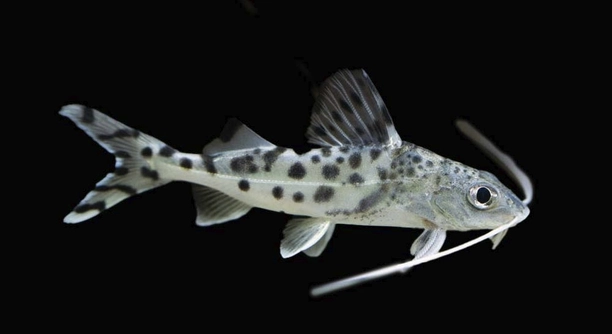
Have you ever brought home a pair of Pictus catfish and wondered if two alone can live happily in the same tank?
Pictus catfish can be kept in pairs, but they thrive best in small groups due to their active and social nature. When kept as a pair, they may become stressed or exhibit signs of restlessness if the environment lacks enrichment.
Knowing how social habits affect Pictus catfish behavior helps create a peaceful and healthy home for them in your aquarium setup.
Understanding Pictus Catfish Behavior in Smaller Groups
Pictus catfish are naturally active and social fish that prefer swimming in groups. In the wild, they often gather in schools, which allows them to feel more secure and confident. When placed in a home aquarium, these same instincts remain. Keeping only two may lead to behavior that looks nervous or aggressive. They might hide more, swim erratically, or chase each other out of stress. A pair can sometimes work, but only if the tank is large enough, has plenty of hiding spots, and the water conditions remain stable. Still, this setup isn’t ideal long-term. A group of at least three to six allows the catfish to interact more naturally and reduces signs of anxiety. The more secure they feel, the more likely they are to display healthy, playful activity, especially during the evening when they are most active.
Keeping only two may lead to imbalance in behavior. This can cause stress that affects their long-term health.
A larger group gives them structure, which supports healthier swimming patterns and reduces aggressive chasing. You’ll also notice them exploring more and hiding less, especially if the tank setup includes plants, driftwood, or caves. Their peaceful nature becomes more visible in a well-matched group.
Creating a Comfortable Tank Environment
Two Pictus catfish may appear fine at first, but that doesn’t mean they’re truly settled. Watch for signs of hiding or chasing.
Tank size plays a major role when housing Pictus catfish, especially in smaller groups. A tank under 55 gallons makes it hard for them to swim freely or escape from each other if one becomes too dominant. These fish are fast swimmers and need long, open spaces. Filtration is also important since they produce a decent bio-load. Strong water flow mimicking river currents helps them stay active and healthy. Subdued lighting with dark substrate and lots of hiding spaces, such as driftwood and rocks, gives them the comfort they need. Even when kept in pairs, these additions can ease tension and make the space feel safer. To reduce stress, avoid pairing them with slow or long-finned tankmates, as their active swimming can become disruptive. Clean water, stable temperatures, and consistent feeding routines help maintain balance. These changes won’t replace social comfort, but they do help.
Risks of Keeping Only Two Pictus Catfish
Two Pictus catfish in one tank can lead to unwanted stress and constant chasing. Without a proper group dynamic, their behavior may shift and lead to health issues over time.
Stress is one of the most common problems when Pictus catfish are kept in pairs. They are naturally inclined to live in groups, and a lack of social interaction may trigger restlessness. You might see one fish dominating the other or frequent chasing that looks playful but is actually territorial behavior. This imbalance can weaken their immune system, increase the risk of infections, and reduce their lifespan. Even with plenty of hiding spots, a pair might still feel exposed, especially in brightly lit or noisy environments. This tension doesn’t usually happen in small groups, where attention and energy are spread out more evenly. For long-term health, a group of at least three to six is best.
Another risk is boredom, which can affect their activity levels. Pictus catfish are curious and need stimulation. In a pair, they may grow tired of the limited interaction and become less active. Some may even show signs of poor appetite or remain hidden for long periods. Lack of movement can lead to poor digestion and slower metabolism. When they’re in groups, they’re more likely to swim, forage, and interact naturally. This active behavior supports better health overall. Keeping only two might seem easier, but over time, it increases the chance of these silent stressors building up and affecting their quality of life.
Ideal Group Size and Tank Setup
A group of five to six Pictus catfish allows for more natural behavior and helps distribute social energy more evenly across the tank.
In larger groups, Pictus catfish show less aggression and more stable activity. The extra space gives them freedom to swim without crowding each other. A minimum tank size of 75 gallons is ideal for a group of five or more. Long tanks are better than tall ones because they allow for horizontal movement. Water flow should mimic river currents to keep them engaged and comfortable. Decor like driftwood, caves, and smooth rocks provides important hiding spots and reduces anxiety. Keep lighting low and use a dark substrate to mimic their natural habitat. Good filtration is key, as they produce a moderate waste load. Avoid overcrowding or adding fish that might compete for space. This setup encourages active behavior and supports long-term health, making your tank more balanced and peaceful.
Common Signs of Stress in a Pair
If one Pictus catfish constantly hides or darts around the tank, it could be a sign of stress. This behavior often appears when they lack proper companionship or feel unsafe in their environment.
Loss of appetite and faded coloring are also signs something isn’t right. These symptoms usually appear when the fish feels anxious, isolated, or threatened.
What to Do if You Only Want Two
If keeping only two, provide a tank of at least 55 gallons with lots of cover—caves, plants, and driftwood help reduce tension. Keep lighting soft, maintain strong filtration, and avoid pairing them with aggressive or overly active tankmates. Monitor their behavior closely for signs of stress. Feed them consistently with high-quality food, and keep water conditions stable. Adding background noise barriers like plants or decorations can create a more secure space. While two can sometimes live peacefully, it takes extra attention, space, and effort to maintain the right balance. A group setup remains easier and more natural for their long-term well-being.
Final Thoughts on Pairing
While it is possible to keep just two Pictus catfish, it often requires more attention, space, and careful planning than keeping a proper group.
FAQ
Can Pictus catfish live happily in pairs?
Pictus catfish can live in pairs, but they usually do better in groups of three or more. When kept only as two, they might show signs of stress like hiding or chasing. They are naturally social fish that feel safer and more comfortable in groups. If you keep only two, make sure the tank is large enough and provides plenty of hiding spots to reduce tension.
What size tank is suitable for two Pictus catfish?
For just two Pictus catfish, a tank of at least 55 gallons is recommended. They are active swimmers and need space to move freely. A longer tank is better than a tall one because it allows them to swim horizontally. The tank should have good filtration and a gentle water flow to mimic their natural environment.
Are there any tankmates that work well with Pictus catfish pairs?
Yes, peaceful tankmates that are not slow or long-finned work best. Avoid aggressive or territorial fish, as well as those that swim slowly near the bottom. Pictus catfish prefer calm companions that won’t stress them. Species like tetras, danios, or larger peaceful cichlids can coexist well. Always observe interactions to make sure all fish remain comfortable.
What are the main signs of stress in Pictus catfish?
Signs of stress include hiding for long periods, sudden darting or erratic swimming, loss of appetite, and faded colors. Sometimes one fish may chase the other repeatedly, which is a sign of social imbalance. Stress weakens their immune system and makes them prone to illness. Ensuring proper tank size, environment, and social group helps reduce stress.
Can two Pictus catfish breed successfully in a home aquarium?
Breeding Pictus catfish in home tanks is rare and difficult. They usually require specific water conditions and a larger group to trigger natural spawning behaviors. Keeping just two makes breeding less likely. If breeding is desired, a group setting with ideal conditions and plenty of space is necessary.
How often should I feed Pictus catfish kept in pairs?
Feed your Pictus catfish twice a day with a balanced diet. Include sinking pellets, live or frozen foods like bloodworms or brine shrimp. Overfeeding should be avoided, as excess food can pollute the water. Watch their appetite and adjust feeding amounts accordingly to keep them healthy.
Is it better to keep Pictus catfish in groups rather than pairs?
Yes, groups of five to six or more are ideal. This size allows social behavior to develop naturally and reduces stress caused by isolation or dominance. Groups share attention, which balances interactions and promotes healthier activity. A group setup is usually easier to manage in terms of behavior and health.
What tank decorations help Pictus catfish feel secure?
Driftwood, caves, and dense plants offer good hiding spots and break lines of sight, which helps reduce stress. Dark substrates and dim lighting mimic their natural river habitats. These elements create a secure environment and encourage natural behavior like exploring and resting.
How important is water quality for Pictus catfish pairs?
Water quality is very important. Pictus catfish produce moderate waste, so strong filtration and regular water changes are necessary. They prefer clean, well-oxygenated water with stable temperatures between 74–79°F (23–26°C). Keeping water parameters consistent reduces stress and supports their health.
Can Pictus catfish live alone?
Pictus catfish do not thrive well alone because they are social animals. A single fish can become stressed, less active, and show signs of loneliness. While they can survive solo, their quality of life improves when kept with others of their kind, ideally in small groups.
What are common health issues in stressed Pictus catfish?
Stressed Pictus catfish are prone to infections, fin rot, and weakened immune systems. Prolonged stress can lead to poor growth and a shorter lifespan. Preventing stress through proper tank size, environment, diet, and social grouping helps avoid these health problems.
How do I know if my two Pictus catfish are compatible?
Compatibility is shown through peaceful coexistence with little chasing or aggression. Both fish should eat well and swim comfortably without hiding constantly. Watching their interactions over time helps determine if they are settling well or if the setup needs changes.
Is it necessary to add more fish if I start with only two Pictus catfish?
It is often beneficial. Adding a few more Pictus catfish can improve social balance and reduce stress. However, this depends on tank size and filtration capacity. If the tank cannot support more fish, optimizing the environment for two is essential.
What temperature range suits Pictus catfish best?
Pictus catfish prefer temperatures between 74°F and 79°F (23°C to 26°C). Maintaining a steady temperature within this range supports their metabolism and immune system. Sudden changes or extremes can stress them and lead to illness.
Can Pictus catfish be aggressive towards each other?
They are generally peaceful but may show mild aggression or chasing in pairs due to social hierarchy. This behavior is more common when kept only as two. In groups, aggression is usually less intense and more spread out, making it easier to manage.
What is the best diet for Pictus catfish pairs?
A varied diet including sinking pellets, live or frozen foods like bloodworms, brine shrimp, and occasional vegetables works well. Feeding a balanced diet ensures proper nutrition and supports their active lifestyle. Avoid overfeeding to keep water quality high.
How often should I perform water changes in a tank with two Pictus catfish?
Perform at least 25–30% water changes weekly to maintain clean and healthy conditions. Regular water changes help control nitrate levels and remove waste buildup. This practice reduces stress and prevents common water-related health issues.
Can tank size alone compensate for keeping only two Pictus catfish?
Tank size helps but does not fully compensate for lack of social group. A large tank provides space but doesn’t replace the need for social interaction. Proper group size combined with adequate tank size is best for their well-being.
Are Pictus catfish compatible with other bottom dwellers?
Yes, they can live with other peaceful bottom dwellers like Corydoras or loaches. Avoid aggressive bottom fish or those that compete for the same hiding spaces. Compatibility depends on species temperament and tank size.
How long do Pictus catfish usually live?
With proper care, Pictus catfish live about 8 to 10 years. Good water quality, balanced diet, and social environment contribute to their lifespan. Stress and poor conditions can shorten it significantly.
Do Pictus catfish require special lighting?
They prefer subdued lighting that mimics their natural environment. Bright lights can cause stress and lead to hiding or reduced activity. Using plants or decorations to create shaded areas helps keep them comfortable.
Can Pictus catfish recognize their owners?
They do not recognize owners in the way mammals do, but they may learn feeding routines and respond to presence near the tank. Their curiosity makes them alert to movement, but social bonds form mainly with other fish.
Final Thoughts
Keeping Pictus catfish in pairs is possible, but it requires careful attention to their needs. These fish are naturally social and feel more comfortable in groups. When only two are kept together, there is a risk of stress due to social imbalance. They may chase or hide more often, which can affect their health. To reduce this risk, the tank must be spacious with plenty of hiding places. Good water quality and stable conditions also help keep them calm. Without these measures, keeping just two Pictus catfish can lead to frustration for both the fish and the keeper.
A larger group of Pictus catfish generally creates a more natural environment where they can display normal behaviors. Groups of five or more tend to have less aggression and more balanced social interaction. This helps reduce stress and encourages activity. When fish are more active, they stay healthier and live longer. While it may seem easier to care for only two fish, adding more to create a group is often better for their well-being. A larger tank is needed for a group, but the benefits often outweigh the extra effort.
Ultimately, whether to keep Pictus catfish in pairs or groups depends on your tank size, time, and how much effort you want to put into their care. If space or resources are limited, two fish can be managed with careful setup and observation. But to support their social nature fully, a group is preferable. Providing the right environment and understanding their behavior will help your Pictus catfish thrive no matter the number. Taking time to create a peaceful and balanced tank will lead to healthier, happier fish.

Hello,
If you enjoy the content that we create, please consider saying a "Thank You!" by leaving a tip.
Every little bit helps us continue crafting quality advice that supports the health, happiness, and well-being of pets around the world, for pets of all shapes, sizes, and species.
We really appreciate the kindness and support that you show us!