
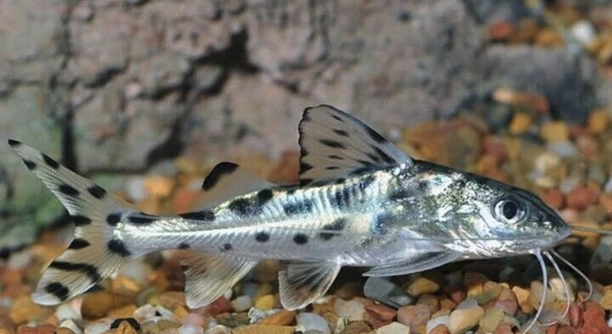
Is your Pictus catfish spending most of its time hiding in dark corners of the tank? Many owners notice their fish avoiding bright light, which can be puzzling and concerning. Understanding why this happens is important for their care.
Pictus catfish naturally avoid bright light because they are nocturnal and prefer dim environments. Excessive light can stress them, causing hiding behavior as a protective response to maintain comfort and reduce anxiety.
Learning about their lighting preferences can help create a better habitat. This knowledge ensures your catfish stays healthy and comfortable in its home.
Why Pictus Catfish Avoid Bright Light
Pictus catfish are naturally shy and nocturnal fish. They tend to swim more actively during the night or in low light conditions. Bright lights can overwhelm their sensitive eyes, making them uncomfortable and stressed. When the light is too strong, they will usually hide under plants, rocks, or decorations. This behavior helps them feel safe and protected. If your tank has strong lighting that stays on for many hours, it might be too much for your catfish. Lowering the brightness or using dimmer lights during the day can help. Providing plenty of hiding spots in the aquarium will also give them a place to retreat when they feel uneasy. These small changes make a big difference in how comfortable your fish feels and can improve their overall health and activity level.
Light sensitivity in Pictus catfish is a normal trait tied to their natural habits and environment.
Adjusting the light settings and tank setup to match your catfish’s needs encourages healthier behavior and reduces stress. Keep in mind they also appreciate gradual light changes rather than sudden bright flashes, which can startle them. Observing their reaction to lighting can help you find the best balance to keep them calm and active. Creating a natural-feeling environment allows your Pictus catfish to thrive and show their full personality. It is worth taking the time to make these adjustments for their wellbeing.
How to Make Your Tank More Comfortable
Reducing tank brightness can calm your Pictus catfish.
Start by using low-wattage bulbs or placing a cover over the lights to soften the glow. You can also add floating plants or tall decorations that block direct light. These additions create shaded areas for your catfish to rest and explore safely. Avoid keeping the lights on for long periods; 8 to 10 hours per day is enough for most aquariums. Consistent light cycles help regulate your fish’s natural rhythm and reduce stress.
In addition to light, consider water quality and tank size, as these also affect your catfish’s comfort. Regular water changes keep the environment clean and reduce irritants that might make your fish seek shelter more often. Make sure the tank is large enough for your catfish to swim freely, as cramped spaces can increase stress and hiding behavior.
Creating a balanced environment with proper lighting, clean water, and enough space encourages your Pictus catfish to feel secure and more active. Watching them explore and interact openly shows they are comfortable and healthy. Simple changes in your tank setup can lead to a happier, more lively fish.
Signs Your Pictus Catfish Is Stressed
When a Pictus catfish avoids light, it may show other stress signs. These include hiding more than usual, loss of appetite, or unusual swimming patterns like darting or staying still for long periods. Stress can affect their health if not addressed quickly.
Stress in Pictus catfish often results from an unsuitable environment. Poor water quality, improper temperature, or overcrowding can make them anxious. If the tank is too bright or noisy, it adds to their discomfort. Checking water parameters like pH, ammonia, and nitrate levels regularly is essential. Keeping the tank clean and stable helps reduce stress. Make sure the tank mates are peaceful and not bothering your catfish, as aggression can cause stress too.
When a catfish hides too much or acts lethargic, these are signs that the environment needs adjustment. Providing a calm, quiet, and clean tank with hiding spots encourages natural behavior and helps your fish relax and thrive.
Adjusting Lighting for Better Comfort
Using a timer to control lighting can help your Pictus catfish adapt better to the tank environment.
Consistent light schedules mimic natural day and night cycles, reducing stress. Gradual dimming and brightening in the morning and evening create a soothing effect. Avoid sudden changes or very bright lights, which can frighten your fish. Soft, indirect lighting is best for a peaceful tank.
Adding floating plants or decorations helps break up harsh light and gives your catfish shaded areas. These spots provide safety and allow your fish to move freely between light and dark. Balancing light and shade encourages natural activity and reduces hiding due to discomfort. Adjusting light carefully supports a happier, healthier catfish in your aquarium.
Creating Hiding Spots
Providing plenty of hiding spots is essential for your Pictus catfish to feel secure. Plants, caves, and decorations offer refuge and reduce stress.
These spots help the catfish avoid bright areas when they want to rest or feel threatened. A comfortable tank feels more natural and calming.
Feeding Your Pictus Catfish
Feed your Pictus catfish in the evening or low-light conditions. They are more active at night and prefer to eat when the light is dim.
Offering sinking pellets, live or frozen foods like bloodworms or brine shrimp supports their diet and encourages natural feeding habits.
Monitoring Behavior Changes
Keep an eye on changes in swimming patterns or appetite. Sudden shifts might indicate stress or illness and need prompt attention.
Why does my Pictus catfish hide so much?
Pictus catfish are naturally shy and nocturnal. They hide to feel safe, especially if the tank is too bright or noisy. Hiding is their way to avoid stress. Providing plenty of shaded areas and calm surroundings helps reduce hiding and encourages more active behavior.
Is it normal for my Pictus catfish to avoid the light?
Yes, it is normal. Pictus catfish prefer dim environments because their eyes are sensitive to bright light. Avoiding light helps them stay comfortable and reduces stress. Soft lighting and shaded spots in the tank make them feel secure.
Can too much light harm my Pictus catfish?
Excessive light can cause stress, leading to hiding, loss of appetite, and weakened immune response. Over time, this stress may affect their health. Using dim lighting or reducing light duration helps protect your fish from these negative effects.
How long should the tank lights be on for Pictus catfish?
A light cycle of 8 to 10 hours per day is ideal. This mimics their natural habitat and supports their day-night rhythm. Using a timer ensures consistent lighting and prevents sudden changes that can stress your fish.
What kind of lighting is best for Pictus catfish?
Soft, indirect lighting works best. Avoid bright or direct light that shines into the tank. Floating plants or decorations can help diffuse the light, creating shaded areas where your catfish can feel comfortable.
Do Pictus catfish need hiding places?
Yes, they need hiding spots to reduce stress and feel safe. Plants, caves, and decorations provide perfect retreats. Without these, your catfish may stay hidden in corners and show signs of stress.
Can stress make my Pictus catfish sick?
Stress weakens the immune system, making your catfish more prone to infections and disease. Ensuring proper water quality, gentle lighting, and a peaceful environment helps keep stress levels low and supports their health.
What are signs of stress in Pictus catfish?
Signs include excessive hiding, loss of appetite, erratic swimming, and lethargy. If you notice these behaviors, check the tank’s conditions and make necessary changes to improve their environment.
Should I feed my Pictus catfish during the day or night?
Pictus catfish are more active at night, so feeding them in the evening or under dim light encourages natural feeding habits. Use sinking pellets or live foods to satisfy their diet and keep them healthy.
How can I help my Pictus catfish adjust to a new tank?
Introduce soft lighting and plenty of hiding places from the start. Keep water conditions stable and avoid sudden changes. Patience is key; they may hide initially but will explore once they feel safe.
Can other fish affect my Pictus catfish’s behavior?
Yes, aggressive or overly active tank mates can stress your catfish, causing hiding or avoidance of light. Choose peaceful species and provide enough space so your Pictus catfish can retreat when needed.
Is it okay to use a night light for Pictus catfish?
A dim night light can be helpful for observing your fish without disturbing their rest. Keep it low and indirect to avoid causing stress during their inactive hours.
How often should I clean the tank for a Pictus catfish?
Regular maintenance is important. Partial water changes of 20-30% every week or two keep water quality high. Clean substrate and decorations as needed to reduce waste buildup that can stress your fish.
Can Pictus catfish live with bright tank lighting?
While they may survive, bright lighting is not ideal. It can cause ongoing stress, hiding, and health problems. Adjust lighting to softer levels for their wellbeing.
What should I do if my Pictus catfish never comes out of hiding?
Review tank conditions: check light intensity, water quality, and tank mates. Add more hiding spots and reduce noise or disturbances. If the fish remains hidden and loses appetite, consult a vet or specialist as illness could be a cause.
Does tank size affect Pictus catfish behavior?
Yes, a small or overcrowded tank can increase stress and hiding. Pictus catfish need enough space to swim and hide comfortably. A minimum of 30 gallons is recommended for a small group.
Can changing the lighting schedule help shy Pictus catfish?
Gradually adjusting light duration and intensity can reduce stress. Avoid sudden bright lights or long exposure. Using a timer creates a consistent environment that helps them feel secure and active.
Are there specific plants that help reduce light in the tank?
Floating plants like duckweed or water lettuce are excellent for softening light. Tall or broad-leaf plants create shaded areas for your catfish to hide. These natural covers make the tank more comfortable and closer to their natural habitat.
What temperature is best for Pictus catfish?
They prefer temperatures between 74°F and 79°F (23°C to 26°C). Stable temperature within this range helps reduce stress and supports healthy behavior. Avoid sudden temperature changes.
How do I know if my Pictus catfish is healthy despite avoiding light?
Look for clear eyes, smooth skin, steady breathing, and normal swimming when they are out. Even if they avoid bright light, healthy fish remain active during dim conditions and eat well.
When caring for a Pictus catfish, understanding their natural behavior is very important. These fish are nocturnal and prefer dim lighting, so it is normal for them to avoid bright light. If your catfish hides often or stays in shaded areas, it usually means they are trying to feel safe and comfortable. Creating a tank environment that matches their needs helps reduce stress and encourages natural activity. Adjusting light levels, providing hiding spots, and keeping water quality high are simple steps that improve their well-being.
Paying attention to your catfish’s behavior can tell you a lot about how they feel. If they suddenly start hiding more, lose interest in food, or swim in unusual ways, these could be signs of stress or illness. Regularly checking water temperature, cleanliness, and the presence of other fish can help spot potential problems early. It is important to keep the tank peaceful and avoid sudden changes that might upset your catfish. Taking these measures ensures that your Pictus catfish stays healthy and happy in its home.
Finally, patience and observation go a long way in caring for your Pictus catfish. They may take time to adjust to new environments or changes in the tank. Gradually improving lighting and providing plenty of places to hide help your fish feel more secure. Watching your catfish over time allows you to learn what makes them comfortable and active. With proper care and attention, your Pictus catfish can thrive and show its lively and playful nature in your aquarium.

Hello,
If you enjoy the content that we create, please consider saying a "Thank You!" by leaving a tip.
Every little bit helps us continue crafting quality advice that supports the health, happiness, and well-being of pets around the world, for pets of all shapes, sizes, and species.
We really appreciate the kindness and support that you show us!