
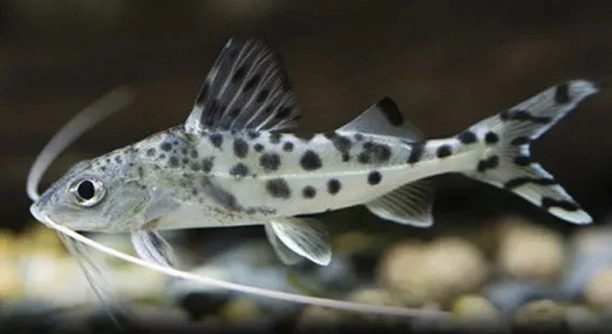
Are your Pictus Catfish more active swimmers or do they prefer lounging in their aquarium? Many fish owners notice different behaviors and wonder what is typical for this species. Understanding their activity helps provide better care.
Pictus Catfish are generally active swimmers known for their energetic movements, especially during feeding and at night. However, they also spend time resting and hiding, balancing activity with periods of lounging in safe spots within their environment.
Knowing when your Pictus Catfish is active or resting can improve your aquarium setup and care routine. This insight helps create a comfortable space that fits their natural behavior.
Understanding Pictus Catfish Activity Levels
Pictus Catfish are known for their lively nature in home aquariums. They swim actively, especially during the evening or night when they are most comfortable moving around. Their speed and curiosity make them interesting to watch as they explore their surroundings. During the day, they tend to hide under plants or decorations, taking breaks from constant movement. These breaks are important for their well-being, as they need rest like any other animal. Their activity levels can change based on the tank environment, including lighting, water temperature, and the presence of other fish. If the tank is too bright or noisy, Pictus Catfish might stay hidden more often. Providing a balanced environment with hiding spots and calm lighting helps maintain their natural behavior, encouraging them to swim around more often. Observing these patterns can make caring for them easier and more enjoyable.
Pictus Catfish show a natural rhythm between activity and rest, adapting to their surroundings for comfort and safety.
Noticing these activity patterns lets you adjust your aquarium setup. You can create spaces for swimming and resting to match their needs. This balance is key to keeping your Pictus Catfish healthy and happy.
Factors Affecting Swimming and Lounging
Several factors influence whether Pictus Catfish swim actively or lounge more. Water temperature plays a big role; cooler water tends to slow them down, while warmer water encourages movement. Diet is another factor—well-fed catfish have more energy for swimming. Tank size matters, too. Smaller tanks may limit their movement, causing them to rest more often. The presence of tank mates can also affect behavior. If there are aggressive fish, Pictus Catfish might hide more to avoid stress. On the other hand, calm tank mates encourage natural swimming habits. Lastly, the time of day influences activity, as they are naturally more active at night. Understanding these factors allows you to create an environment where Pictus Catfish feel secure and motivated to swim freely.
Adjusting tank conditions based on these factors supports a healthy balance of activity and rest in your catfish.
By controlling temperature, diet, tank size, and social environment, you can encourage your Pictus Catfish to display more natural swimming behaviors. Ensuring the tank is peaceful and has enough space helps reduce stress, promoting better health. Feeding a balanced diet at regular intervals gives them energy to stay active. Additionally, dimming lights during the day and maintaining a consistent light cycle mimics their natural habitat. With these steps, your catfish will show a healthy mix of lively swimming and necessary lounging, reflecting their true nature. This care approach also prevents boredom and keeps their environment stimulating, making your aquarium a pleasant place for both the fish and you.
How Tank Setup Influences Activity
The tank setup directly affects how much Pictus Catfish swim or lounge. Open swimming space encourages movement, while too many decorations can limit their range.
A spacious tank with plenty of swimming room lets Pictus Catfish move freely and show their natural energetic behavior. Hiding places like caves and plants provide safe spots to rest without feeling exposed. A balance between open areas and hiding spots creates a comfortable environment. If the tank is overcrowded or cluttered, the catfish may stay hidden more often, reducing their activity. Clean water and proper filtration also impact their behavior by reducing stress and promoting health. When the tank feels secure and spacious, Pictus Catfish are more likely to explore and swim actively throughout the day and night.
The right tank setup supports both activity and relaxation, making the fish feel secure and healthy.
Impact of Diet on Behavior
Feeding plays a key role in how active Pictus Catfish are. A nutritious diet provides the energy needed for swimming and exploring.
Balanced meals rich in protein help maintain the catfish’s energy levels, encouraging regular movement. Poor diet or irregular feeding can cause lethargy, making them lounge more than swim. Live or frozen foods like bloodworms and brine shrimp are excellent choices that mimic their natural diet. Feeding smaller portions multiple times a day keeps their energy steady and prevents overeating. Treats can be given occasionally, but the main diet should remain consistent to avoid digestive problems. Good feeding habits support not only activity but also overall health and longevity.
Healthy eating habits are important for keeping your catfish lively and energetic in the tank.
Lighting and Activity Patterns
Lighting affects when Pictus Catfish are most active. They tend to swim more during dim light or at night. Bright lights often make them seek shelter.
Adjusting the tank’s lighting to mimic natural day and night cycles helps maintain their activity rhythm. Using soft or indirect light during the day encourages normal behavior and reduces stress.
Social Behavior and Swimming
Pictus Catfish are social and often swim more when kept in groups. Being with others of their kind encourages natural movement and exploration. A solitary catfish may stay hidden or lounge more due to stress or boredom.
Keeping at least three Pictus Catfish together promotes healthy social interaction, which supports both activity and well-being.
Signs of Stress in Pictus Catfish
Stress can cause Pictus Catfish to reduce swimming and hide more. Look for signs like clamped fins, rapid breathing, or loss of appetite.
Identifying stress early allows adjustments in tank conditions or social setup to help your catfish feel comfortable again.
Are Pictus Catfish more active during the day or night?
Pictus Catfish are naturally more active during low light conditions, usually in the evening or at night. During the day, they tend to rest or hide in shaded areas to avoid bright light. Adjusting the aquarium lighting to mimic these natural cycles encourages their natural activity patterns.
Why does my Pictus Catfish sometimes stay still for long periods?
Long periods of rest or lounging are normal for Pictus Catfish. Like any animal, they need downtime to conserve energy and feel safe. However, if stillness is combined with signs of illness, such as loss of appetite or unusual spots, it might indicate health problems.
How many Pictus Catfish should I keep together?
It’s best to keep Pictus Catfish in groups of at least three. They are social fish that feel safer and behave more naturally in groups. Alone, they may become stressed and less active, often hiding rather than swimming.
What kind of tank environment encourages Pictus Catfish to swim more?
A tank with open swimming spaces combined with plenty of hiding spots is ideal. Clean, well-filtered water and stable temperature also encourage activity. Avoid overcrowding the tank with decorations or aggressive fish that might cause stress.
Does diet affect how active Pictus Catfish are?
Yes, a balanced diet rich in protein helps maintain their energy levels. Feeding live or frozen foods such as bloodworms or brine shrimp keeps them active. Poor nutrition or irregular feeding can lead to lethargy.
Can tank mates influence Pictus Catfish activity?
Tank mates play a big role. Calm, non-aggressive fish encourage Pictus Catfish to swim and explore. Aggressive or territorial fish may cause them to hide more, reducing their activity.
What water temperature is best for Pictus Catfish activity?
The ideal water temperature is between 74°F and 79°F (23°C to 26°C). Temperatures outside this range can make them less active. Cooler water slows them down, while warmer water may stress them.
How does lighting impact their swimming habits?
Bright lighting usually causes Pictus Catfish to hide more. Dim or subdued lighting encourages swimming and exploration. Maintaining a natural day-night cycle helps keep their behavior balanced.
Are Pictus Catfish nocturnal?
They are mostly nocturnal or crepuscular, meaning they are most active during twilight or nighttime hours. This behavior reflects their natural habits in the wild.
Why does my Pictus Catfish hide a lot?
Hiding is a natural behavior for safety and rest. Excessive hiding, however, might be due to stress, poor water quality, or tank mates causing fear. Ensuring a calm environment and proper tank setup can reduce hiding.
How can I tell if my Pictus Catfish is stressed?
Signs include clamped fins, erratic swimming, loss of appetite, and spending too much time hiding. Stress can result from poor water conditions, aggressive tank mates, or sudden changes in the environment.
Does tank size affect Pictus Catfish behavior?
Yes, a small tank limits their movement and may cause boredom or stress, leading to less swimming. A tank of at least 30 gallons is recommended to provide adequate swimming space.
Should I turn off the aquarium light at night?
Yes, turning off or dimming the light at night mimics natural conditions and allows Pictus Catfish to become more active. Constant bright light can disrupt their natural behavior.
How often should I feed Pictus Catfish to keep them active?
Feeding small amounts two to three times a day helps maintain energy levels and encourages regular swimming. Avoid overfeeding to prevent water quality issues and obesity.
What are the best foods to encourage active behavior?
Live or frozen foods like bloodworms, brine shrimp, and daphnia stimulate their hunting instincts and encourage activity. High-quality sinking pellets designed for bottom feeders also work well.
Can Pictus Catfish get bored?
Yes, they can get bored in a dull or cramped environment. Adding new decorations, plants, or rearranging the tank occasionally can provide stimulation and encourage movement.
Is it normal for Pictus Catfish to rest during the day?
Yes, resting during the day is normal as they conserve energy for more active periods at night. Providing shaded or hidden resting spots supports this natural behavior.
How do I create a stress-free environment for my Pictus Catfish?
Keep water clean and stable, avoid aggressive tank mates, provide hiding places, and maintain proper lighting and temperature. A peaceful environment encourages swimming and reduces excessive hiding.
What can cause sudden changes in activity levels?
Changes may be due to water quality issues, illness, temperature fluctuations, or new tank mates. Monitoring conditions and making adjustments quickly helps maintain consistent behavior.
Is it better to have plants in the tank?
Yes, live or artificial plants offer hiding spots and help create a natural environment, which supports healthy activity levels and reduces stress for Pictus Catfish.
Pictus Catfish are a lively and interesting species to keep in home aquariums. They balance their time between swimming actively and resting in safe spots. Understanding this balance is important for their care. These fish enjoy swimming, especially in low light, but they also need places to hide and lounge. By providing both open swimming areas and plenty of hiding spots, you help them feel comfortable and secure. This natural rhythm between activity and rest is part of what makes them unique and enjoyable to watch.
The tank environment plays a big role in shaping how active your Pictus Catfish will be. Factors like water temperature, lighting, tank size, and tank mates all influence their behavior. Keeping the water clean and stable supports their health and encourages natural activity levels. Feeding a balanced diet with good protein sources gives them the energy they need to explore the tank. Also, having other Pictus Catfish around helps them feel safe and more likely to swim freely. When these needs are met, they show a healthy mix of lively swimming and quiet lounging.
Watching your Pictus Catfish adapt to their home and express their natural behavior can be rewarding. It takes some attention to detail and patience to create the right environment, but the effort pays off. By observing their activity and knowing what affects it, you can improve their care over time. A well-set-up tank helps Pictus Catfish thrive, making your aquarium a pleasant place for both you and the fish. Overall, balancing their active and resting times is key to enjoying these beautiful fish.

Hello,
If you enjoy the content that we create, please consider saying a "Thank You!" by leaving a tip.
Every little bit helps us continue crafting quality advice that supports the health, happiness, and well-being of pets around the world, for pets of all shapes, sizes, and species.
We really appreciate the kindness and support that you show us!