
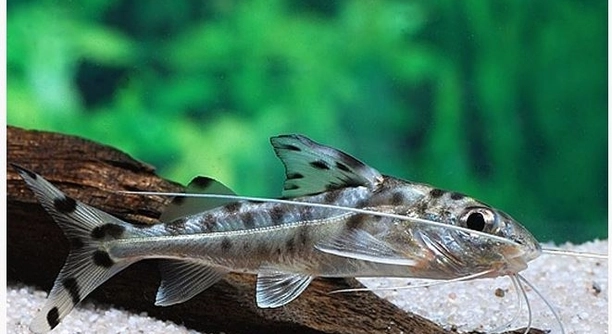
Pictus catfish are popular freshwater fish known for their active and social behavior. Many fish owners enjoy watching them swim and interact in aquariums. Understanding their behavior can help create a better home for these fish.
Pictus catfish do not show emotions or moods in the way mammals do. Their actions are mostly driven by instincts and environmental factors rather than feelings. Observing their behavior can reveal signs of stress or comfort, but not true emotions.
Learning how to recognize their behavior patterns helps fish owners provide the best care and a comfortable environment for their pictus catfish.
How Pictus Catfish Communicate Behaviorally
Pictus catfish use body language and movement to communicate rather than emotions. They often swim together in groups, showing a natural social behavior. When they feel threatened, they may hide or dart quickly to safety. Their whiskers help them explore their surroundings and detect food. Changes in activity, like becoming very still or unusually active, can indicate how they respond to their environment. These behaviors are ways they adapt to stay safe and comfortable. Watching them closely can give clues about their well-being without assuming they feel emotions like humans do.
Their behavior is largely instinctual, helping them survive and thrive in an aquarium setting.
Recognizing these behavioral signs allows owners to adjust tank conditions. For example, adding more hiding spots or adjusting lighting can reduce stress. Keeping their environment stable helps pictus catfish remain healthy and active, showing natural patterns of interaction that reflect their needs rather than moods.
Signs of Stress in Pictus Catfish
Stress in pictus catfish can appear through changes in swimming or eating habits.
Stress often results from poor water quality, overcrowding, or sudden changes in the tank. Fish might hide more or lose their usual energy. Physical signs include faded colors or damaged fins. Stress weakens their immune system, making illness more likely. Providing a calm and clean environment reduces stress. Regular water testing and proper tank maintenance are important. Watching for these signs helps prevent long-term harm and keeps your fish comfortable and healthy.
Common Behaviors That Are Often Misinterpreted
Pictus catfish swimming close to the glass may seem like they want attention, but it’s usually exploring or searching for food.
They often rest during the day and become more active at night, which is normal. Rapid swimming or jumping can indicate stress or poor water conditions. These behaviors are natural instincts, not signs of mood changes like sadness or happiness.
When pictus catfish rub against objects, it’s usually a way to relieve irritation or parasites. This behavior helps them stay healthy rather than expressing discomfort emotionally. Observing these actions with this understanding can improve care.
How Environment Affects Pictus Catfish Behavior
A clean, stable environment is essential for pictus catfish to show normal behaviors.
Poor water quality, wrong temperature, or overcrowding can cause unusual behavior like hiding, erratic swimming, or loss of appetite. These environmental factors influence their physical health and activity levels. Providing enough space, good filtration, and regular water changes creates comfort and reduces stress. Tank decorations like caves and plants offer hiding spots, which help them feel safe. Maintaining these conditions helps pictus catfish behave naturally and stay healthy over time.
Recognizing Healthy Behavior
Healthy pictus catfish swim actively and explore their tank confidently. They respond quickly to feeding times and interact calmly with tank mates.
Bright, clear eyes and intact fins are signs of good health. Lack of these signs may indicate illness or stress needing attention.
Feeding Habits and Their Impact
Pictus catfish are nocturnal feeders and prefer sinking pellets or live foods. Overfeeding can cause water quality problems, leading to stress and illness. Feeding small amounts once or twice a day supports their health and encourages natural foraging behaviors. Proper feeding helps maintain energy levels and normal activity.
Common Misconceptions
Pictus catfish are often thought to express feelings, but their behaviors are instinct-driven rather than emotional.
Importance of Observation
Regular observation helps detect changes early, ensuring timely care and a healthy environment for pictus catfish.
FAQ
Can pictus catfish feel pain?
Pictus catfish have nervous systems that allow them to react to harmful stimuli, which means they can sense pain to some degree. However, their experience of pain is very different from humans. Their responses are mostly reflexive and meant to protect them from injury or danger. It’s important to handle them gently and maintain good water quality to avoid causing unnecessary stress or harm.
Do pictus catfish recognize their owners?
Pictus catfish do not recognize people like pets such as dogs or cats do. They may learn to associate their owners with feeding times because they respond to movement near the tank or sounds linked to food. This behavior is based on habit rather than true recognition or emotional bonding.
Why does my pictus catfish swim rapidly or jump out of the tank?
Rapid swimming and jumping often indicate stress, poor water quality, or uncomfortable tank conditions. These fish are sensitive to changes in water parameters like pH, temperature, and ammonia levels. Ensuring a stable environment and covering the tank can prevent accidents and improve their comfort.
How can I tell if my pictus catfish is stressed?
Signs of stress include hiding more than usual, loss of appetite, faded colors, or erratic swimming. Stress can weaken their immune system, making them vulnerable to diseases. Maintaining clean water, providing hiding spots, and avoiding sudden changes in the tank environment help reduce stress.
Do pictus catfish show happiness or sadness?
Pictus catfish do not show emotions like happiness or sadness. Their behavior is driven by instinct and survival needs rather than feelings. Observing changes in activity or appearance can help identify health or environmental issues but should not be interpreted as emotional states.
Can pictus catfish get lonely?
These catfish are social and prefer living in groups of at least three or more. They feel safer and behave more naturally when kept with others of their kind. While they don’t experience loneliness like humans, being in a group reduces stress and promotes healthier behavior.
What are the best tank conditions for pictus catfish?
Pictus catfish thrive in tanks with temperatures between 72-79°F (22-26°C), a pH of 6.5-7.5, and good filtration. They need plenty of swimming space and hiding spots like caves or plants. Regular water changes and monitoring water quality are essential to keep them healthy and stress-free.
How often should I feed my pictus catfish?
Feeding once or twice daily with sinking pellets or live foods like bloodworms or brine shrimp is ideal. Avoid overfeeding to prevent water quality issues. Offering a varied diet supports their nutritional needs and natural foraging behavior.
Why does my pictus catfish rub against objects?
Rubbing against surfaces usually helps relieve irritation from parasites or skin issues. It’s a natural behavior to keep their skin healthy. If you notice excessive rubbing, check water quality and consider consulting a vet or experienced aquarist to rule out disease.
Are pictus catfish noisy or active during the day?
They are mostly nocturnal and more active at night. During the day, they tend to rest or hide. Increased daytime activity may signal stress or poor tank conditions, so observing these changes can help you identify problems early.
Pictus catfish are interesting creatures with unique behaviors that sometimes make people wonder if they have emotions or moods like pets such as dogs or cats. While they do show signs of stress or comfort, their actions are mostly driven by instincts and their environment. They don’t have feelings like humans do, but their behaviors help them survive and stay healthy. Understanding this helps owners provide better care and avoid misinterpreting what the fish are showing.
Keeping pictus catfish in a well-maintained tank with clean water, proper temperature, and enough space is important for their well-being. They respond to their environment by changing how active they are or by hiding when something is wrong. Paying attention to these changes can help catch problems early, like illness or poor water conditions. Providing hiding spots and keeping the tank peaceful helps reduce stress and allows the fish to behave naturally.
Observing pictus catfish regularly is the best way to understand their needs and keep them healthy. They may not show emotions like humans, but their behaviors tell a story about their comfort and health. With good care and attention, pictus catfish can live happy, healthy lives in an aquarium. Knowing what to expect and how to respond helps create a safe home where these fish can thrive.

Hello,
If you enjoy the content that we create, please consider saying a "Thank You!" by leaving a tip.
Every little bit helps us continue crafting quality advice that supports the health, happiness, and well-being of pets around the world, for pets of all shapes, sizes, and species.
We really appreciate the kindness and support that you show us!