
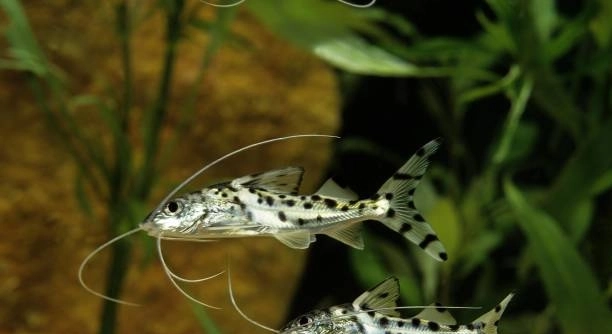
Pictus catfish are popular freshwater fish known for their active swimming and peaceful nature. Many aquarium owners wonder how much activity in a tank suits these fish best. Understanding their preferences helps create a healthy environment for them.
Pictus catfish generally prefer a moderately calm tank with some hiding spots and gentle water movement. Excessive noise and constant activity can stress them, while a completely still tank may not meet their natural swimming behavior needs. A balanced environment supports their well-being.
Knowing how to arrange your tank can improve your pictus catfish’s comfort and health. The right balance between calm and activity benefits their natural behavior and overall happiness.
Understanding Pictus Catfish Behavior
Pictus catfish are naturally active swimmers that prefer open spaces to roam, but they also need places to hide and feel secure. In the wild, they live in rivers with moderate currents and plenty of vegetation for cover. In a home aquarium, replicating this balance helps reduce stress and encourages natural behaviors. These fish tend to explore during the day and rest in quieter areas at night. If a tank is too busy with constant activity, they might become anxious and hide more often. On the other hand, a completely calm and empty tank can make them less active and less healthy. Providing gentle water movement with a filter and some plants or decorations offers the right mix of stimulation and calm. Observing how your pictus catfish responds to tank conditions will guide you in adjusting the environment to keep them comfortable.
Stress in pictus catfish often results from too much disturbance or insufficient hiding spots. Both factors impact their health negatively.
A tank that balances activity with calm areas supports their natural rhythms. By offering moderate water flow and quiet spaces, you encourage normal swimming and resting habits. This setup helps them feel secure and active, reducing stress and improving overall well-being.
Setting Up the Right Tank Environment
Creating a tank environment that suits pictus catfish means paying attention to water flow, decorations, and tank mates. They do best with moderate water currents and plenty of shaded areas.
Avoid overcrowding the tank, as too many fish can increase stress for pictus catfish. Tank mates should be peaceful and not overly aggressive or noisy. Adding plants, driftwood, and caves gives them safe places to hide and rest. Lighting should not be too bright, since pictus catfish prefer dimmer conditions. Regular tank maintenance is important to keep water quality high, which also supports their health. By focusing on these elements, you can create a tank that balances activity and calm, meeting the needs of your pictus catfish and promoting a healthy, stress-free environment.
Tank Activity Levels and Pictus Catfish Comfort
Pictus catfish do not thrive in overly busy tanks. Too much movement from other fish or constant disturbances can cause stress. They prefer moderate activity levels that mimic their natural habitat.
In a tank with moderate activity, pictus catfish can swim freely without feeling threatened. They enjoy exploring but need occasional quiet periods to rest and hide. Excessive activity can cause them to hide more often or become skittish, which may impact their health. It is important to balance tank mates’ behavior and feeding schedules to avoid overwhelming these fish.
Keeping the tank environment balanced helps pictus catfish maintain regular swimming and resting routines. When they feel secure, their natural behavior becomes more visible, and their overall well-being improves. Observing how they react to tank conditions can help you make small adjustments to activity levels.
Choosing Compatible Tank Mates
Selecting calm and peaceful tank mates is key for pictus catfish. Aggressive or fast-moving fish create stress and reduce their comfort.
Tank mates like small tetras, danios, or peaceful bottom dwellers usually work well with pictus catfish. Avoid large, aggressive fish that chase or compete aggressively for food. Compatibility reduces stress and encourages natural behaviors in all fish. Mixing species with similar activity levels and temperaments leads to a calmer tank environment, benefiting everyone. This balance supports pictus catfish’s need for a moderately active but peaceful home.
Providing Adequate Hiding Spots
Pictus catfish need enough hiding places to feel safe. Rocks, caves, and dense plants give them refuge from stress. Without these, they may stay hidden or become anxious.
Hiding spots also allow them to rest peacefully. A tank with balanced decorations keeps them comfortable and less reactive to tank activity.
Managing Lighting and Noise Levels
Bright lights and loud noises can disturb pictus catfish, making them uneasy. They prefer dimmer lighting and a quieter environment that resembles their natural habitat.
Adjusting lighting to soft, indirect levels helps reduce stress. Keeping noise low around the tank supports their calm behavior and overall health.
Importance of Regular Tank Maintenance
Clean water is crucial for pictus catfish health. Regular water changes and filter maintenance keep the environment safe and stable.
Good water quality prevents illness and encourages active, natural behaviors. Monitoring water parameters consistently supports long-term well-being.
FAQ
How much activity do pictus catfish need in a tank?
Pictus catfish need a moderate level of activity. They enjoy swimming in open spaces with gentle water movement. Too much noise or constant fast activity can cause stress, while a completely still tank may limit their natural behavior. A balanced environment with some flow and quiet moments suits them best.
Can pictus catfish live in a busy community tank?
They can, but it depends on the tank’s overall activity and the temperament of other fish. Peaceful, calm species that don’t constantly chase or bother pictus catfish are better companions. Overcrowded or aggressive tanks increase stress and reduce their comfort, so it’s important to monitor how they behave around tank mates.
What are the best tank mates for pictus catfish?
Good tank mates include peaceful fish like small tetras, danios, or other calm bottom dwellers. Avoid aggressive or very fast fish that can overwhelm or intimidate pictus catfish. Compatibility in activity level and temperament helps keep a calm, balanced tank environment.
How important are hiding spots for pictus catfish?
Very important. Hiding spots help pictus catfish feel secure and reduce stress. Rocks, caves, and plants provide places to rest and escape when they feel threatened or need downtime. Without enough cover, they may become skittish or hide excessively.
Do pictus catfish prefer bright or dim lighting?
They prefer dimmer lighting, similar to their natural river habitats. Bright lights can stress them, causing them to hide or become less active. Soft, indirect lighting creates a more comfortable environment that encourages natural behaviors.
How does tank noise affect pictus catfish?
Loud or constant noise can cause stress for pictus catfish. They are sensitive to vibrations and disturbances. Keeping noise low around the tank helps maintain a calm atmosphere, which supports their well-being and natural swimming habits.
What water conditions do pictus catfish need?
Pictus catfish thrive in clean, well-oxygenated water with a moderate current. The ideal temperature range is 72-78°F (22-26°C), and the pH should be slightly acidic to neutral, around 6.5-7.5. Regular water changes and good filtration keep conditions stable.
How often should I clean the tank for pictus catfish?
Regular maintenance is essential. Partial water changes of about 20-30% every one to two weeks help maintain water quality. Cleaning the filter and removing debris also prevent harmful buildup. Consistent care keeps pictus catfish healthy and stress-free.
Can pictus catfish tolerate sudden changes in tank activity?
Sudden changes, like adding many new fish or rearranging decorations, can stress pictus catfish. They prefer gradual changes to adjust comfortably. Quick shifts in their environment may cause hiding, loss of appetite, or skittish behavior.
What signs show a pictus catfish is stressed?
Stress signs include hiding more than usual, erratic swimming, loss of appetite, or faded coloration. Excessive scratching or rubbing against objects may also occur. These symptoms often indicate that tank conditions or activity levels need adjustment.
Final Thoughts
Pictus catfish thrive best in a tank environment that offers a balance between activity and calm. They are naturally active fish that enjoy swimming and exploring, but they also need quiet moments and safe hiding spots to feel secure. Too much noise, constant movement, or overcrowding can cause stress, which may affect their health. On the other hand, a tank that is too still and lacks stimulation may make them less active and less healthy over time. Creating a tank with moderate water flow, peaceful tank mates, and plenty of decorations for hiding helps pictus catfish show their natural behavior and stay comfortable.
Tank mates play an important role in how pictus catfish experience their environment. Choosing peaceful and calm species helps reduce stress and allows pictus catfish to swim freely without feeling threatened. Aggressive or overly active fish can overwhelm pictus catfish, leading to hiding or nervous behavior. It is important to observe how your fish interact and adjust the tank setup if needed. Providing good water quality, stable temperature, and consistent lighting also supports their well-being. Keeping a clean and well-maintained tank encourages healthy behavior and reduces the risk of illness.
Ultimately, understanding pictus catfish needs requires careful observation and adjustments. Paying attention to their behavior can show if the tank environment is too busy or too quiet. Offering moderate activity, safe spaces, and compatible tank mates helps pictus catfish feel safe and happy. With proper care and balance, they can live a healthy and active life in a home aquarium. Keeping these points in mind will help provide a comfortable habitat where your pictus catfish can thrive naturally.

Hello,
If you enjoy the content that we create, please consider saying a "Thank You!" by leaving a tip.
Every little bit helps us continue crafting quality advice that supports the health, happiness, and well-being of pets around the world, for pets of all shapes, sizes, and species.
We really appreciate the kindness and support that you show us!