
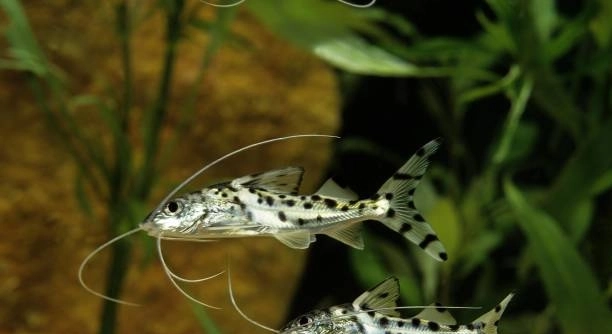
A new Pictus catfish can bring life and activity to your aquarium. Introducing it safely requires some care and attention. Proper acclimation helps reduce stress and supports the fish’s health in its new environment.
To safely acclimate a Pictus catfish, gradually adjust it to the tank’s water conditions over several hours. This process involves slowly mixing tank water with the transport water to minimize shock and maintain stable water parameters.
Understanding how to properly introduce your new fish will promote a smooth transition. This knowledge is important for the well-being and longevity of your Pictus catfish.
Preparing Your Tank for the New Pictus Catfish
Before bringing your new Pictus catfish home, make sure the tank is ready. The tank should be fully cycled with stable water parameters, such as temperature around 75-80°F and pH between 6.5 and 7.5. Clean the tank and remove any debris to provide a safe environment. Add hiding spots like plants or caves, since Pictus catfish enjoy places to hide. Proper filtration is essential because these fish prefer well-oxygenated water with a gentle current. Check that the tank size is at least 30 gallons to allow enough swimming space. Avoid adding the catfish to a tank with aggressive species that could cause stress or harm. Taking these steps helps your catfish adjust better and reduces chances of illness or shock once introduced.
It is important to keep the water clean and consistent in quality to support your catfish’s health. Regular testing and maintenance will keep the environment stable.
Your preparation sets the stage for a smoother acclimation process, ensuring your new catfish feels secure and comfortable in its new home.
Acclimating Your Pictus Catfish Safely
Slow acclimation helps reduce stress and shock to the fish. Start by floating the sealed bag containing the catfish in the tank for 15-20 minutes. This allows the water temperature in the bag to match the tank temperature gradually. Next, open the bag and add small amounts of tank water to the bag every 10 minutes. Repeat this process for about 1 to 2 hours. This slow mixing helps the fish adjust to different water chemistry, including pH and hardness. Avoid pouring the water from the bag directly into the tank to prevent introducing contaminants. After the acclimation is complete, gently release the catfish into the tank using a net. Observing the fish during this time can help you spot any signs of stress or illness early.
This method ensures a smooth transition and helps your catfish thrive in its new environment. Taking time with acclimation increases their chances of adapting well and staying healthy for a long time.
Monitoring Your Pictus Catfish After Acclimation
Keep a close eye on your Pictus catfish during the first few days after acclimation. Watch for any signs of stress such as erratic swimming, loss of appetite, or hiding more than usual.
Stress in new fish can lead to illness if not addressed quickly. Ensure water quality remains stable by testing parameters daily and performing partial water changes as needed. Keep feeding light and consistent, offering small amounts of food to avoid overfeeding. Monitor interactions with other tank inhabitants to prevent bullying or aggression. Providing a calm environment helps your catfish recover and settle comfortably.
If you notice unusual behavior or physical changes like spots or discoloration, act quickly. Consult fish care resources or a specialist to address potential health issues early before they worsen.
Feeding Tips for Pictus Catfish
Feed your Pictus catfish a varied diet that includes sinking pellets, frozen or live foods such as bloodworms and brine shrimp. These fish are nocturnal feeders, so offering food in the evening aligns with their natural behavior. Avoid overfeeding, as uneaten food can pollute the tank and harm water quality.
Start with small portions and increase as needed based on how much the fish consumes. Pictus catfish enjoy scavenging, so adding occasional fresh vegetables like zucchini or cucumber can provide enrichment and nutrition. Maintaining a balanced diet supports their growth and vibrant health. Feeding at consistent times helps establish routine and reduces stress.
Tank Mates for Pictus Catfish
Choose peaceful tank mates that won’t outcompete or harm your Pictus catfish. Avoid overly aggressive or territorial fish. Ideal companions include tetras, danios, and other calm species.
Keep in mind that Pictus catfish are active swimmers and prefer groups of their own kind for comfort and social interaction.
Water Parameters and Maintenance
Maintaining stable water parameters is key. Keep temperature between 75-80°F and pH around 6.5 to 7.5. Regular water changes, about 20% weekly, help control nitrate levels. Use a reliable filter to maintain clean, well-oxygenated water, essential for the catfish’s health. Monitor water quality consistently to prevent sudden changes.
Common Health Issues
Watch for signs of common illnesses like ich, fin rot, and fungal infections. Early detection through observation and water testing is crucial.
Lighting and Environment
Provide low to moderate lighting with shaded areas to mimic the catfish’s natural habitat. Too much light can stress them.
FAQ
How long does it take to acclimate a Pictus catfish safely?
Acclimating a Pictus catfish usually takes between 1 to 2 hours. The process should be slow to avoid shock. Gradually mixing tank water with the transport water in small increments helps the fish adjust to differences in temperature, pH, and hardness. Rushing this process can cause stress or illness.
What is the best water temperature for Pictus catfish?
Pictus catfish thrive in water temperatures between 75 and 80 degrees Fahrenheit. Maintaining this range supports their metabolism and immune system. Temperatures outside this range can weaken their health and make them prone to disease. Using a reliable aquarium heater helps keep the temperature stable.
Can Pictus catfish live with other fish?
Yes, Pictus catfish can live peacefully with many other species. Ideal tank mates are small to medium, non-aggressive fish like tetras, danios, and corydoras. Avoid large or aggressive fish that might stress or harm them. Grouping Pictus catfish in schools of three or more also helps reduce stress.
How often should I feed my Pictus catfish?
Feeding your Pictus catfish once or twice a day is enough. Offer small portions they can eat within a few minutes to prevent leftover food from polluting the tank. They prefer sinking pellets and enjoy occasional treats like bloodworms or brine shrimp. Feeding in the evening suits their nocturnal habits.
What are common signs of stress or illness in Pictus catfish?
Signs of stress include erratic swimming, hiding excessively, loss of appetite, or rubbing against surfaces. Illness symptoms may show as white spots, torn fins, or unusual discoloration. Early detection and water quality checks are key to preventing serious problems.
Do Pictus catfish require special tank setups?
They do best in tanks with hiding places such as caves, driftwood, or plants. A soft substrate like sand helps protect their sensitive barbels. Good filtration and moderate water flow mimic their natural river habitats. Low lighting with shaded areas reduces stress.
Can I keep a single Pictus catfish or should I get more?
It’s best to keep Pictus catfish in groups of three or more. They are social fish and feel safer in numbers. A single catfish may become shy or stressed. Having a small school encourages natural behavior and helps them feel secure.
How do I prevent diseases in my Pictus catfish?
Maintaining stable water parameters and a clean tank is the best prevention. Regular water changes and avoiding overfeeding reduce harmful waste buildup. Quarantining new fish before adding them helps stop infections from spreading. Watching for early signs of illness ensures timely treatment.
What should I do if my Pictus catfish stops eating?
Loss of appetite can indicate stress or illness. Check water quality first and correct any problems. Observe the fish for signs of disease or injury. Offering live or frozen foods may encourage feeding. If the problem continues, consult a fish health expert.
Is it normal for Pictus catfish to hide a lot?
Yes, Pictus catfish are naturally shy and nocturnal. They often hide during the day to feel safe. Providing plenty of hiding spots helps them relax. If hiding is excessive and combined with other symptoms, it may signal stress or illness.
How big do Pictus catfish grow?
Pictus catfish can grow up to 6 inches long. They need enough space to swim comfortably as they grow. A tank size of at least 30 gallons is recommended for adult fish.
Are Pictus catfish sensitive to water changes?
Yes, sudden or large water changes can stress them. It’s best to perform gradual changes of about 20% weekly. Always match the new water’s temperature and chemistry to the tank’s conditions to avoid shock.
What is the best diet for Pictus catfish?
A balanced diet includes sinking pellets, frozen or live foods such as bloodworms, brine shrimp, and occasional vegetable matter like zucchini slices. This variety supports their health and keeps them active.
How can I tell if my Pictus catfish is healthy?
Healthy catfish are active, swim smoothly, have bright eyes, and clear skin. They respond to feeding and interact with tank mates. Regular observation helps catch health issues early.
Should I turn off the tank lights at night for Pictus catfish?
Yes, turning off lights at night creates a natural day-night cycle. Pictus catfish are nocturnal and more active in the dark. Low lighting during the day with shaded areas also helps reduce stress.
How often should I clean the tank when keeping Pictus catfish?
Perform partial water changes of about 20% every week. Clean the substrate and remove uneaten food regularly. Proper tank maintenance keeps water quality high and supports your catfish’s health.
Properly caring for a new Pictus catfish begins with careful acclimation. Taking the time to slowly adjust your fish to the tank’s water conditions helps reduce stress and prevents health problems. This process is essential because sudden changes in temperature, pH, or water hardness can shock the fish and cause illness. By following a gradual acclimation routine, you give your catfish the best chance to adapt comfortably to its new home. It is important to be patient and avoid rushing this step, as it forms the foundation for your fish’s well-being.
After acclimation, maintaining stable water quality and providing a suitable environment are key to keeping your Pictus catfish healthy. Regular water testing and changes help keep harmful toxins low and water parameters steady. The right temperature, pH, and filtration system support the fish’s natural behaviors and immune system. Pictus catfish also appreciate having hiding places and a soft substrate to protect their delicate barbels. Feeding a balanced diet and choosing peaceful tank mates further promote a calm and stress-free habitat. Paying attention to these details ensures your catfish can thrive and live a long, active life.
Watching your fish regularly allows you to catch any signs of stress or illness early. Changes in behavior, appearance, or appetite can indicate problems that need quick attention. Acting promptly by checking water quality, adjusting care routines, or consulting fish health resources helps prevent issues from worsening. With proper care and patience, your Pictus catfish will become a lively and rewarding addition to your aquarium. The effort you put into acclimating and maintaining their environment will show in their health and happiness.

Hello,
If you enjoy the content that we create, please consider saying a "Thank You!" by leaving a tip.
Every little bit helps us continue crafting quality advice that supports the health, happiness, and well-being of pets around the world, for pets of all shapes, sizes, and species.
We really appreciate the kindness and support that you show us!