
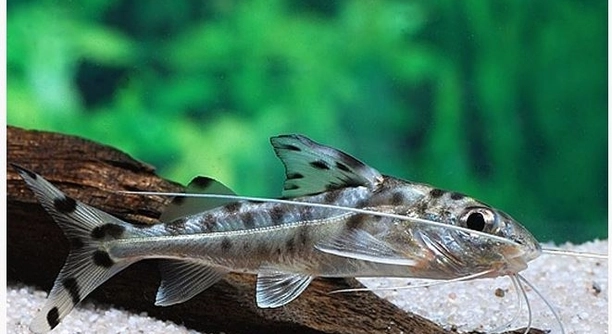
Pictus catfish are popular in home aquariums for their active and curious nature. However, these fish can feel unsafe due to several common factors in their environment. Knowing what affects their comfort helps maintain a healthy tank.
Pictus catfish feel unsafe primarily because of poor water quality, sudden movements, inadequate hiding spaces, overcrowding, loud noises, bright lighting, and aggressive tank mates. These factors cause stress, reducing their overall well-being and increasing susceptibility to illness.
Recognizing these issues is essential for creating a safe and comfortable habitat that supports your pictus catfish’s health and natural behavior.
Poor Water Quality
Poor water quality is one of the main reasons pictus catfish feel unsafe in their tanks. These fish are sensitive to high levels of ammonia, nitrites, and nitrates, which can build up quickly if the tank is not cleaned regularly. Frequent water changes and proper filtration are essential to keep the water clean and healthy. Temperature fluctuations can also stress the fish, so maintaining a stable temperature suited for pictus catfish is important. Testing water parameters weekly helps detect problems early before they affect your fish’s health. Keeping the tank environment clean supports their immune system and reduces the risk of disease. Monitoring pH levels is also crucial, as pictus catfish prefer slightly acidic to neutral water. When water quality is poor, the fish may hide more, reduce their activity, or show signs of distress like gasping at the surface. Maintaining water quality should be a top priority to ensure their comfort.
Consistent water maintenance improves health and reduces stress, allowing pictus catfish to thrive in a stable environment.
A well-maintained tank creates a natural habitat that supports normal behavior in pictus catfish. Clean water encourages them to explore and feed actively. It also prevents infections and promotes a longer life. Investing time in water quality checks ensures a safer, happier tank for your fish.
Sudden Movements and Noise
Sudden movements outside the tank or loud noises can startle pictus catfish and make them feel unsafe. These fish rely on a calm environment to feel secure. Fast, unexpected actions near the aquarium cause stress, leading to erratic swimming or hiding.
Pictus catfish have sensitive lateral lines that detect vibrations in the water. This means they can sense disturbances from outside the tank easily. Loud noises from household appliances or loud voices can cause constant stress. Over time, this can weaken their immune system and lead to health problems. Keeping the tank in a quiet area with minimal activity nearby helps reduce stress. Using a cover or background can also minimize visual distractions. Providing plenty of hiding places helps the fish retreat when they feel threatened. Understanding how your fish respond to their environment allows you to make changes that improve their well-being. Creating a peaceful setting reduces stress and supports their natural behavior, promoting a healthier fish overall.
Inadequate Hiding Spaces
Pictus catfish need hiding spots to feel secure. Without enough places to retreat, they become stressed and anxious.
Providing caves, plants, and decorations gives them safe areas to rest. These spaces reduce stress and encourage natural behaviors like exploring and resting. Without hiding spots, pictus catfish may become skittish and less active, which affects their overall health.
Using natural materials such as driftwood and dense plants creates a comfortable environment. Ensure hiding places are easily accessible but not overcrowded. This balance helps pictus catfish feel protected without limiting swimming space. Regularly rearranging decorations can also keep the tank interesting and provide new hiding options, promoting mental stimulation and reducing boredom.
Overcrowding in the Tank
Overcrowding causes stress for pictus catfish because it limits space and increases competition for resources. Too many fish in one tank create poor water quality and aggressive behavior.
A tank should be sized appropriately, with about 10 gallons per adult pictus catfish. Overcrowding raises ammonia levels and reduces oxygen, harming fish health. Stress from crowding can lead to weakened immunity and disease. Giving fish enough space promotes natural swimming patterns and reduces conflict. Monitoring tank population and upgrading size as needed prevents overcrowding problems. Proper stocking maintains a balanced and peaceful aquarium, supporting fish well-being.
When planning your tank, consider not only the number but also the types of fish. Aggressive or territorial species worsen overcrowding issues. Choosing compatible tank mates helps pictus catfish feel safer and thrive.
Bright Lighting
Bright lighting can make pictus catfish feel exposed and vulnerable. These fish prefer dimmer environments that mimic their natural habitats.
Too much light stresses them and causes them to hide more. Using adjustable or low-intensity lighting helps create a comfortable tank atmosphere.
Aggressive Tank Mates
Aggressive fish cause stress and fear in pictus catfish. They may chase, nip, or bully them, leading to injury or constant hiding. Choosing peaceful tank mates reduces conflict and allows pictus catfish to behave naturally. Keeping compatible species together supports a calm and healthy environment.
Sudden Changes in Environment
Sudden changes such as new decorations, water chemistry, or temperature shifts cause stress. Gradual adjustments help pictus catfish adapt better and reduce anxiety.
Lack of Proper Diet
A poor diet weakens pictus catfish and lowers their defenses. Feeding varied and nutritious food supports their health and safety.
FAQ
What causes stress in pictus catfish?
Stress in pictus catfish is mainly caused by poor water quality, sudden loud noises, aggressive tank mates, bright lighting, overcrowding, and lack of hiding places. These factors disrupt their sense of safety and comfort, which can lead to health problems and unusual behavior.
How often should I change the water for pictus catfish?
Regular water changes are essential to maintain good water quality. Changing about 20-30% of the water every week is recommended. This helps reduce harmful chemicals like ammonia and nitrites, keeping the tank environment stable and healthy for the fish.
What kind of hiding spots do pictus catfish need?
Pictus catfish appreciate caves, driftwood, dense plants, and decorations where they can retreat. These hiding spots provide shelter and reduce stress. The spaces should be large enough for them to enter easily but also provide a sense of protection from open water and tank mates.
Can bright lighting harm pictus catfish?
Yes, bright lighting can make pictus catfish feel unsafe because they naturally prefer dim or low-light environments. Too much light can stress them and cause hiding behavior. Using subdued or adjustable lighting creates a more comfortable tank for these fish.
What tank mates are suitable for pictus catfish?
Peaceful and non-aggressive fish make good tank mates for pictus catfish. Avoid territorial or fin-nipping species, as they cause stress and injury. Compatible fish allow pictus catfish to swim freely and exhibit normal behavior without constant fear or hiding.
How much space do pictus catfish need?
Pictus catfish need about 10 gallons of water per adult fish. Overcrowding leads to stress, poor water quality, and aggression. Providing enough space allows them to swim actively and reduces competition for food and hiding spots.
What diet keeps pictus catfish healthy?
A varied diet of sinking pellets, live or frozen foods like bloodworms and brine shrimp, and occasional vegetables helps maintain health. Proper nutrition strengthens their immune system and supports natural behavior, reducing stress and making them feel safer.
How do sudden changes affect pictus catfish?
Sudden changes in water temperature, chemistry, or tank setup cause anxiety and stress. Gradual adjustments give them time to adapt. Avoid making multiple changes at once to maintain a stable environment.
Why do pictus catfish hide so much?
Hiding is a natural response when they feel unsafe or stressed. Causes include poor water quality, loud noises, bright light, or aggressive tank mates. Providing proper hiding spots and a calm environment encourages more active behavior.
How can I reduce noise and disturbances around the tank?
Place the tank in a quiet area away from heavy foot traffic, loud appliances, or sudden noises. Adding a tank cover or background can minimize visual disturbances. These steps help pictus catfish feel secure and less stressed.
Final thoughts on caring for pictus catfish focus on understanding their needs for a safe and healthy environment. These fish are sensitive to many factors that can make them feel unsafe, such as poor water quality, overcrowding, sudden noises, and aggressive tank mates. Paying close attention to these elements is essential to prevent stress and health problems. When pictus catfish feel secure, they display natural behaviors like active swimming and exploring, which indicate good well-being.
Creating a suitable habitat involves regular maintenance and careful planning. This includes frequent water changes to maintain cleanliness, providing enough hiding spaces like caves and plants, and selecting compatible tank mates. Controlling lighting and reducing loud noises around the tank also contribute to a calm environment. Overcrowding should be avoided by ensuring the tank size matches the number of fish. These simple steps help reduce stress and improve the quality of life for pictus catfish.
Overall, the key to keeping pictus catfish safe and comfortable lies in consistent care and observation. Watching for changes in behavior or signs of distress allows early intervention. By maintaining good water conditions, offering a balanced diet, and providing a peaceful environment, owners can help their pictus catfish thrive. With proper care, these fish can live healthy, active lives and bring enjoyment to any aquarium setup.

Hello,
If you enjoy the content that we create, please consider saying a "Thank You!" by leaving a tip.
Every little bit helps us continue crafting quality advice that supports the health, happiness, and well-being of pets around the world, for pets of all shapes, sizes, and species.
We really appreciate the kindness and support that you show us!