
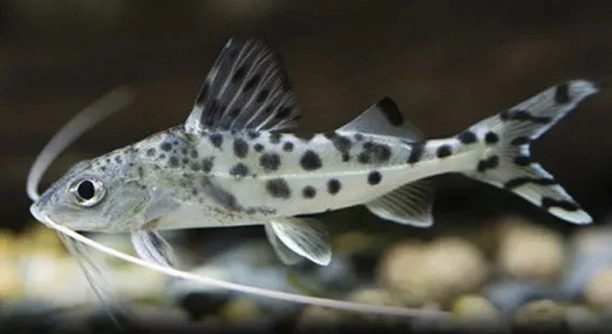
Many aquarium owners enjoy watching their pictus catfish swim actively in their tanks. Sometimes, these fish suddenly remain completely still, which can cause concern. Understanding this behavior is important for keeping your fish healthy and happy.
When a pictus catfish stays completely still, it often indicates rest, stress, or a reaction to environmental changes. This behavior can be normal if brief but may also signal illness, poor water quality, or inadequate tank conditions requiring attention.
Recognizing the reasons behind this stillness helps ensure your pictus catfish thrives in its aquatic home. The following information will guide you through what to observe and how to respond effectively.
Why Your Pictus Catfish Might Stay Still
Pictus catfish sometimes remain motionless due to natural resting behavior. Like many fish, they need periods of calm to conserve energy. However, staying still can also mean stress caused by poor water quality, sudden changes in temperature, or overcrowding. Another reason could be illness or injury, which makes movement difficult or painful. Observing your fish’s environment carefully can help identify if stillness is temporary or a sign of a deeper problem. Regular maintenance, including water changes and proper filtration, supports their health. Providing hiding spots helps reduce stress and encourages natural behavior. In some cases, a still catfish might simply be sensing danger, so it freezes to avoid attracting predators. Watching for additional signs like loss of appetite or unusual swimming patterns will give you a clearer picture of their condition.
Proper tank conditions and careful observation are key to keeping your pictus catfish active and healthy.
Keeping your aquarium clean and stable will reduce the chances of your catfish staying still for long periods. This promotes a better environment for them to thrive.
Common Environmental Factors Affecting Activity
Water quality directly affects your pictus catfish’s activity levels. High ammonia, nitrite, or nitrate can cause stress and sickness, leading to inactivity. Temperature fluctuations may also slow metabolism, making the fish less active. Overcrowding causes competition for space and resources, which stresses fish and leads to hiding or stillness. Lighting plays a role; too much light may cause the fish to remain still in shaded areas. Providing hiding places helps reduce stress and encourages movement. Feeding habits are another factor—if the fish is not getting enough food, it might become lethargic. Keeping consistent conditions and monitoring water parameters regularly supports your catfish’s well-being and reduces stillness caused by environment-related stress.
Understanding these factors and maintaining a balanced tank will improve your catfish’s behavior and health over time.
Health Issues That Cause Stillness
Illnesses like parasites, bacterial infections, or swim bladder problems can cause your pictus catfish to remain still. These conditions affect their energy and movement, making them less active than usual. Early detection is crucial to prevent worsening health.
If your pictus catfish is still for long periods and shows signs like clamped fins, faded color, or loss of appetite, it may be sick. Parasites can cause itching and discomfort, while bacterial infections often lead to inflammation or sores. Swim bladder issues impact buoyancy, causing the fish to struggle swimming. Prompt treatment with appropriate medication can improve their condition. Always quarantine new fish to avoid spreading diseases.
Injuries from sharp decorations or aggressive tank mates also cause your catfish to stay still. Protect your fish by using smooth decorations and ensuring compatible tank mates. Observation helps identify if injury is the cause.
Stress and Its Impact on Behavior
Stress often causes pictus catfish to freeze or hide for long times. Stressors include sudden changes in environment, loud noises, or aggressive fish. Chronic stress weakens their immune system.
To reduce stress, keep water parameters stable and avoid sudden changes. Ensure your tank has plenty of hiding spots, such as plants or caves, to make your catfish feel safe. Minimize disturbances around the aquarium, especially loud sounds or tapping on the glass. Choose peaceful tank mates to prevent bullying. When stress is lowered, your catfish will become more active and show natural behaviors again, improving their overall health and lifespan. Regular monitoring and gentle care are essential to maintain a stress-free environment.
Tank Setup and Its Influence
Improper tank setup can cause your pictus catfish to stay still. Poor substrate, lack of hiding spots, or inappropriate tank size may make them feel insecure or uncomfortable.
Ensuring a soft substrate like sand, plenty of plants, and caves will help your catfish feel safe. A tank size of at least 30 gallons is recommended to provide enough space for swimming and exploring.
Feeding Habits and Stillness
Uneven feeding schedules or poor diet can lead to lethargy in pictus catfish. Consistent, balanced feeding supports energy and activity levels.
Recognizing Normal Resting Behavior
Pictus catfish naturally rest during the day or night. Short periods of stillness are normal and help conserve energy. Regular rest is part of their healthy routine.
Observing Other Signs
Pay attention to other behavior changes like erratic swimming, gasping, or color changes. These can indicate health or environmental problems needing action.
FAQ
Why is my pictus catfish staying completely still for hours?
Your pictus catfish may stay still for hours due to resting, stress, or environmental factors. Resting is natural, but if stillness lasts too long, it could indicate poor water quality, illness, or stress from tank conditions. Monitoring water parameters and observing for other symptoms can help identify the cause.
Can a pictus catfish stay still because it is sick?
Yes, sickness often causes lethargy and stillness. Common illnesses like bacterial infections, parasites, or swim bladder issues reduce energy and movement. If your fish shows other signs such as faded colors, loss of appetite, or clamped fins, illness is likely. Treating the illness promptly is important.
How do I know if my pictus catfish is stressed?
Signs of stress include hiding more than usual, loss of appetite, and stillness. Stress may also cause your fish to have rapid gill movement or dart around suddenly. Stress can come from poor water conditions, aggressive tank mates, or sudden changes in the tank environment.
What can I do to reduce stress in my pictus catfish?
Maintain stable water conditions by testing regularly and performing partial water changes. Provide hiding places like plants and caves. Avoid loud noises and vibrations near the tank. Choose peaceful tank mates to avoid bullying. A calm environment helps your catfish feel secure and active.
Is it normal for pictus catfish to rest during the day?
Yes, pictus catfish are more active during dawn and dusk but do rest throughout the day. Short periods of stillness are normal and necessary for conserving energy. However, prolonged inactivity should be monitored to rule out health or environmental problems.
Can poor tank setup cause my pictus catfish to stay still?
Yes, an unsuitable tank setup can cause your fish to feel insecure and stay still. Hard substrates, lack of hiding spots, or too small a tank size can stress them. Using soft sand, providing shelters, and keeping a tank size of at least 30 gallons supports their natural behavior.
How does water quality affect my pictus catfish’s activity?
Poor water quality with high ammonia, nitrites, or nitrates causes stress and sickness, leading to stillness or hiding. Maintaining clean water with regular testing and changes keeps your fish healthy and active. Stable temperature and proper filtration also play important roles.
Could feeding habits affect why my pictus catfish stays still?
Yes, irregular feeding or a poor diet can make your fish lethargic. Pictus catfish need a balanced diet with protein-rich foods like bloodworms and sinking pellets. Feeding small amounts twice daily helps maintain energy and encourages natural activity.
What should I do if my pictus catfish is injured and staying still?
Check the tank for sharp decorations or aggressive fish that may cause injuries. Remove hazards and separate aggressive tank mates if needed. Treat wounds with appropriate aquarium-safe medication and monitor for improvement.
When should I be concerned about my pictus catfish’s stillness?
If your catfish stays still for long periods with other symptoms like loss of appetite, color changes, or abnormal swimming, immediate action is needed. Test water quality, check for illness, and consider consulting a vet or experienced aquarist for diagnosis and treatment options.
Final Thoughts
Understanding why your pictus catfish stays completely still is important for maintaining a healthy aquarium. While it is normal for these fish to rest and be motionless at times, prolonged stillness can signal underlying issues. Observing your fish carefully, along with regular maintenance of the tank, helps prevent problems and keeps your pictus catfish active and comfortable. Ensuring good water quality, proper tank setup, and appropriate feeding will reduce stress and promote natural behavior.
It is also important to recognize the signs of illness or injury in your pictus catfish. Changes in color, loss of appetite, or unusual swimming patterns often accompany stillness caused by health problems. Acting quickly by testing water conditions and isolating sick fish can prevent worsening issues. Providing a calm and safe environment with enough hiding spots will reduce stress, which is a common cause of inactivity. When these factors are addressed, your catfish can regain its usual energy and vibrant behavior.
Taking care of a pictus catfish requires attention to its environment and health. Patience and consistency in tank care are essential. Small changes in water quality, tank mates, or feeding habits can greatly affect their activity. By monitoring these aspects closely and responding appropriately, you can help your pictus catfish stay lively and healthy. This care ensures a pleasant experience both for the fish and for you as an aquarium keeper.

Hello,
If you enjoy the content that we create, please consider saying a "Thank You!" by leaving a tip.
Every little bit helps us continue crafting quality advice that supports the health, happiness, and well-being of pets around the world, for pets of all shapes, sizes, and species.
We really appreciate the kindness and support that you show us!