
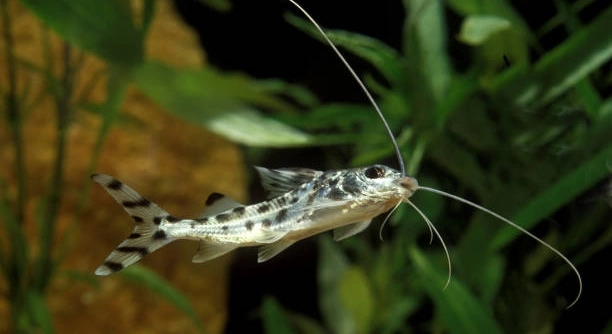
Many aquarium owners enjoy watching their pictus catfish swim actively around the tank. Sometimes, these fish suddenly stop swimming, which can be worrying. Understanding why this happens can help keep them healthy and happy.
Pictus catfish may stop swimming due to stress, illness, poor water quality, low oxygen levels, injury, temperature changes, or natural resting behavior. Each factor affects their activity and overall well-being in the aquarium environment.
Knowing these reasons can help you spot problems early and care for your catfish better. This article will explain the most common causes behind this change in behavior.
Stress and Its Impact on Pictus Catfish
Stress is a common reason why pictus catfish might suddenly stop swimming. Changes in their environment, like a new tank setup or aggressive tank mates, can make them feel unsafe. Even loud noises or sudden movements outside the tank can disturb their peace. When stressed, these fish often become inactive and hide more than usual. Their bodies may also show signs like faded colors or rapid breathing. Stress affects their immune system, making them vulnerable to diseases. It’s important to keep the tank calm and stable to reduce stress. Maintaining consistent water conditions and avoiding sudden changes can help your catfish feel secure and more active again.
Pictus catfish are sensitive to their surroundings and need a peaceful tank to stay healthy and active. Managing stress is key to their well-being.
Keeping stress low improves their health and encourages normal swimming behavior. Simple adjustments can make a big difference in helping your fish relax and thrive in their home.
Poor Water Quality
Poor water quality quickly affects pictus catfish behavior. Dirty water, high ammonia, or nitrite levels can cause discomfort and illness. These conditions make it harder for fish to breathe and stay healthy. Without clean, well-filtered water, catfish may stop swimming and hide.
Maintaining good water quality is essential for pictus catfish to swim actively and stay healthy. Regular water changes and monitoring help prevent problems.
Water quality problems often arise from overfeeding or infrequent tank cleaning. Excess food and waste release toxins into the water, making it unsafe. Using a reliable filtration system and testing water parameters regularly helps catch issues early. If water quality drops, your fish may gasp at the surface or stay still on the tank bottom. Immediate action like partial water changes and removing uneaten food can improve conditions fast. This keeps the fish comfortable and encourages them to swim again. Understanding how water quality affects your pictus catfish helps ensure a healthy environment where they can thrive.
Low Oxygen Levels
Low oxygen in the tank can cause pictus catfish to stop swimming or gasp at the surface. They need good oxygen levels to stay active and healthy.
Oxygen levels drop when the tank is overcrowded, plants are decaying, or water circulation is poor. Warm water holds less oxygen, so temperature also matters. Without enough oxygen, fish become lethargic and may stop swimming.
Improving aeration with air stones or stronger filters helps increase oxygen. Regularly cleaning the tank and avoiding overcrowding also supports healthy oxygen levels. Watching your fish’s breathing can give early signs of low oxygen.
Temperature Changes
Sudden or extreme temperature changes stress pictus catfish and slow their movement. These fish prefer stable, moderate temperatures, usually between 74°F and 79°F (23°C to 26°C). Temperatures outside this range can cause discomfort or illness.
If the water gets too cold, their metabolism slows, leading to less swimming. Too warm, and oxygen levels drop, causing stress and inactivity. Gradual changes are less harmful, but sudden shifts shock their system. Maintaining a consistent temperature with a heater and thermometer is key. This stability helps them stay energetic and comfortable in their tank.
Injury or Illness
Injuries or illnesses can make pictus catfish stop swimming. They may hide or rest more to recover.
Common signs include torn fins, spots, or swelling. If untreated, these issues can worsen quickly.
Natural Resting Behavior
Pictus catfish sometimes rest quietly on the tank bottom or in hiding spots. This is normal and helps them conserve energy.
They are more active during feeding times or at night, so occasional stillness is not always a concern.
Poor Diet
A poor diet lacking in essential nutrients can cause lethargy and reduced swimming in pictus catfish. Feeding a balanced diet helps keep them energetic.
Aggressive Tank Mates
Aggressive fish in the tank may stress pictus catfish, causing them to hide and stop swimming freely.
FAQ
Why did my pictus catfish suddenly stop swimming and just lie at the bottom?
This behavior often signals stress, poor water quality, or illness. When a pictus catfish lies still at the bottom, it may be trying to conserve energy or recover from discomfort. Check water parameters first—high ammonia or nitrites can cause lethargy. Also, look for signs of injury or disease like torn fins or spots. Ensuring a calm environment and proper tank conditions can help the fish regain its activity.
How can I improve the oxygen levels in my tank for my pictus catfish?
Adding air stones or increasing water movement with a filter helps oxygenate the water. Avoid overcrowding and keep the tank clean by removing decaying plants and uneaten food. Cooler water holds more oxygen, so keep the temperature stable but within the species’ preferred range. Monitoring the fish’s breathing patterns can alert you if oxygen levels are low.
Can sudden temperature changes cause my pictus catfish to stop swimming?
Yes, sudden temperature shifts shock their system and slow their metabolism. Pictus catfish prefer a steady temperature around 74°F to 79°F (23°C to 26°C). Rapid changes can stress them, causing inactivity. Use a reliable heater and thermometer to maintain a stable environment and prevent temperature swings.
Is it normal for pictus catfish to stop swimming sometimes?
Yes, pictus catfish naturally rest by staying still on the tank bottom or hiding. They are crepuscular, meaning they are more active at dawn and dusk. Occasional stillness is normal as long as the fish appear healthy and resume swimming regularly.
How do I know if my pictus catfish is sick?
Look for changes like loss of appetite, faded colors, torn fins, white spots, swelling, or erratic swimming. Rapid breathing or gasping at the surface can also signal illness. If you notice these signs, test your water quality and consider quarantine or treatment.
What diet is best for keeping my pictus catfish active?
A balanced diet with high-quality sinking pellets, live or frozen foods like bloodworms and brine shrimp supports good health. Avoid overfeeding, as leftover food can pollute the water. A varied diet keeps them energetic and promotes natural behavior.
Can aggressive tank mates affect my pictus catfish’s swimming habits?
Yes, aggressive fish can stress pictus catfish, causing them to hide and stop swimming. Choose peaceful tank mates and provide plenty of hiding places. This reduces stress and helps your catfish feel safe and active.
How often should I clean the tank to keep my pictus catfish healthy?
Partial water changes of 20-30% weekly help maintain good water quality. Regular cleaning removes waste and uneaten food that can harm your fish. Consistent maintenance is key to preventing stress and illness in your tank.
What signs show that my pictus catfish is recovering after illness or stress?
Improved appetite, normal swimming behavior, brighter colors, and calm breathing are positive signs. Your catfish will start exploring the tank more and rest less on the bottom. Continued good water quality and a peaceful environment support their recovery.
Can stress cause permanent damage to pictus catfish?
Prolonged or severe stress weakens their immune system, making them more prone to disease and possibly shortening their lifespan. Preventing stress with stable conditions and gentle handling is essential for their long-term health.
When pictus catfish suddenly stop swimming, it can be worrying, but many reasons explain this behavior. Often, changes in their environment or health cause them to become less active. Stress, poor water quality, or low oxygen levels are common factors that affect their movement. Even things like temperature changes or aggressive tank mates can make these fish hide or rest more than usual. Understanding these reasons helps in providing better care for your fish and keeping them healthy.
Keeping the aquarium stable and clean is very important for pictus catfish to thrive. Regular water testing, proper filtration, and consistent temperature control create a comfortable home for them. Feeding a balanced diet and avoiding overcrowding reduce stress and prevent many health problems. It’s also helpful to watch your fish closely for any signs of illness or injury. Early detection and quick action often make a big difference in their recovery and well-being. Taking care of these details supports their natural behavior and active swimming.
Overall, patience and attention are key when caring for pictus catfish. They sometimes stop swimming as a way to rest or recover, but if this behavior lasts, it usually points to a problem that needs fixing. By paying close attention to their environment and health, you can ensure they stay lively and happy. Good care helps your pictus catfish live longer and enjoy their tank, showing off the energetic swimming they are known for.

Hello,
If you enjoy the content that we create, please consider saying a "Thank You!" by leaving a tip.
Every little bit helps us continue crafting quality advice that supports the health, happiness, and well-being of pets around the world, for pets of all shapes, sizes, and species.
We really appreciate the kindness and support that you show us!