
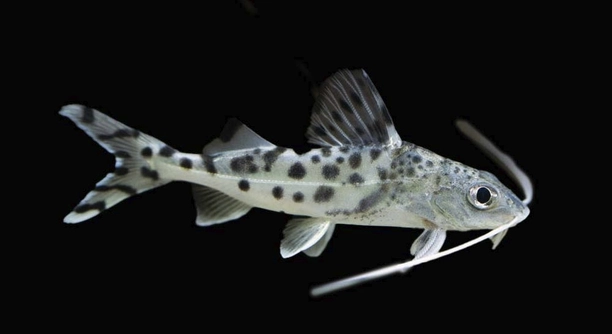
Many Pictus catfish tend to spend a lot of time hiding in their tanks. This behavior can leave owners wondering why their fish stays out of sight. Understanding the reasons behind this can improve the care you provide.
Pictus catfish often hide due to stress, poor water quality, lack of hiding spots, or illness. These factors can make them feel unsafe or uncomfortable, prompting them to seek shelter and avoid open areas in their environment.
Knowing these causes will help you create a better habitat and keep your catfish feeling safe and healthy. The following information will guide you through the most common reasons for their hiding habits.
Stress and Anxiety in Pictus Catfish
Stress is a common reason why your Pictus catfish may be hiding more often than usual. Changes in the environment, such as sudden loud noises or frequent tank disturbances, can cause anxiety. These fish are sensitive to movement outside the tank and may retreat to feel safer. Overcrowding with other fish or aggressive tank mates can also raise stress levels. When stressed, Pictus catfish hide to avoid perceived threats. Consistent water changes and reducing sudden changes in their surroundings help lower stress. Providing a quiet and calm area near the tank reduces external disturbances. Stress not only affects their behavior but can also lead to health problems, so it is important to keep their environment stable and peaceful.
Keeping a calm and stable environment reduces stress for your Pictus catfish and encourages them to explore more of the tank.
When stress is minimized, your catfish will feel more secure and begin to show natural behaviors like swimming freely and interacting with tank features. Avoid sudden movements or loud noises near the tank, and make sure aggressive fish are not sharing the space. Giving your catfish a stress-free environment improves their overall well-being and makes them more visible. A peaceful tank setup with hiding spots will help them feel safe without having to stay hidden all the time.
Water Quality Issues
Poor water quality can make your Pictus catfish uncomfortable, causing them to hide frequently. Ammonia, nitrite, and nitrate levels that are too high stress the fish and harm their health. Low oxygen levels or incorrect temperature also make the tank an unpleasant place. These conditions cause the fish to seek shelter to escape discomfort. Regular water testing and maintenance are essential to keep the water safe. Using filters and performing partial water changes helps maintain clean water. Avoid overfeeding, as leftover food can pollute the tank quickly. Healthy water conditions allow your Pictus catfish to be active and less likely to hide.
Regular testing and cleaning keep your tank safe for your catfish’s health and comfort.
Lack of Proper Hiding Spots
Pictus catfish need places to hide to feel safe. Without enough hiding spots, they may retreat to corners or stay hidden out of sight. Providing shelters is important for their comfort.
Adding caves, plants, or decorations creates safe spaces for your catfish. These spots help reduce stress and encourage natural behavior. Without proper hiding areas, the fish may stay in one place, hiding constantly. It is best to arrange the tank with multiple hiding options. This not only improves their comfort but also keeps them active and curious. When hiding spots are available, catfish feel secure and explore more, showing off their playful side.
Well-planned hiding areas also help reduce conflict with other fish by offering retreats. This balance improves the overall harmony in the tank, making it a better environment for all inhabitants. When your catfish can choose where to hide, they become less stressed and more relaxed.
Illness or Injury
Illness or injury can cause your Pictus catfish to hide more than usual. When feeling weak or sick, they seek quiet places to recover and avoid danger. Hiding is a natural response to health problems.
Signs of illness include changes in appetite, unusual swimming patterns, or visible wounds. If your catfish is hiding and showing these signs, it may be time to check water conditions and consult a vet. Early treatment improves chances of recovery. Infections, parasites, or physical injuries can make the fish vulnerable and uncomfortable, leading to hiding behavior. Regular tank cleaning and monitoring fish health help prevent many problems.
Caring for sick fish involves isolating them if needed and providing a calm, clean environment. Proper nutrition supports healing, and treatment should follow expert advice. Keeping your catfish healthy reduces hiding and keeps them active and visible in the tank.
Tank Size and Space
A small or overcrowded tank can make Pictus catfish feel trapped and stressed. Limited space forces them to hide more often to avoid other fish or disturbances.
Providing enough room for swimming and hiding helps your catfish feel comfortable. Overcrowding increases competition for space, causing more hiding and less activity.
Lighting Conditions
Bright or constant lighting can cause your Pictus catfish to seek shelter. They prefer dim or natural light levels that mimic their natural habitat.
Adjusting light intensity and adding shaded areas helps your catfish feel secure. Timers can create a regular day-night cycle, promoting healthier behavior and less hiding.
Tank Mates
Aggressive or overly active tank mates can intimidate Pictus catfish, causing them to hide frequently. Compatibility matters for peaceful coexistence.
Choosing calm, non-aggressive fish reduces stress and encourages your catfish to be more visible and active in the tank.
FAQ
Why does my Pictus catfish hide all day and only come out at night?
Pictus catfish are naturally nocturnal, meaning they are most active during the night. During the day, they prefer to hide to avoid light and potential threats. This behavior helps them feel safe and secure, as their natural environment often has low light levels and plenty of cover. If your tank lighting is too bright or the environment feels unsafe, they will stay hidden longer. Providing dim lighting and plenty of hiding spots encourages them to be more active and visible during the day.
Can stress make my Pictus catfish hide more than usual?
Yes, stress is a common reason for increased hiding. Stress can come from sudden changes in the tank, aggressive tank mates, poor water quality, or loud noises near the tank. When stressed, Pictus catfish seek shelter to protect themselves. Reducing disturbances, maintaining stable water conditions, and choosing peaceful tank mates will help lower their stress levels and make them more comfortable.
Is hiding a sign that my Pictus catfish is sick?
Hiding can be a sign of illness, especially if it is accompanied by other symptoms like loss of appetite, erratic swimming, or visible wounds. Sick fish tend to isolate themselves to conserve energy and avoid threats. If you notice these signs, test your water parameters and consider consulting a vet or experienced fish keeper. Early intervention is important to help your catfish recover.
How can I make my Pictus catfish feel safer in the tank?
Providing plenty of hiding spots such as caves, plants, or decorations helps your catfish feel secure. Creating shaded areas with gentle lighting also mimics their natural habitat. Avoid sudden changes in the tank and keep aggressive or overly active fish separate. Regular water changes and stable conditions reduce stress and support their well-being.
Will my Pictus catfish stop hiding if I improve the water quality?
Improving water quality can significantly reduce hiding behavior. High levels of ammonia, nitrites, or nitrates stress fish and make them seek shelter. Clean, well-filtered water with stable temperature and oxygen levels encourages your catfish to explore more openly. Regular testing and maintenance are key to keeping your tank healthy and your fish comfortable.
Do Pictus catfish prefer certain tank mates that reduce their hiding?
Pictus catfish do better with calm, non-aggressive fish that do not compete aggressively for food or territory. Peaceful tank mates reduce stress and make the catfish feel safer. Avoid keeping them with large, aggressive, or very active fish that can intimidate them. When comfortable with their neighbors, Pictus catfish will be more active and visible.
How important is tank size for my Pictus catfish’s behavior?
Tank size plays a major role in how your Pictus catfish behaves. Small or overcrowded tanks limit swimming space and increase stress, causing more hiding. A spacious tank with enough room for swimming and hiding spots helps them feel secure and encourages natural behavior. Aim for at least 30 gallons or more, depending on the number of fish.
Can lighting affect how much my Pictus catfish hides?
Yes, lighting is very important. Bright or constant light makes Pictus catfish uncomfortable, as they are used to dim or filtered light in the wild. Too much light causes them to hide more. Using adjustable or low-intensity lighting, and providing shaded areas, helps them feel safe and promotes normal activity. A regular day-night cycle with timers is also beneficial.
What should I do if my Pictus catfish keeps hiding despite good care?
Sometimes, Pictus catfish are naturally shy or prefer hiding more than others. Ensure all basic needs like water quality, tank mates, space, and hiding spots are met. Give your fish time to adjust to new environments, especially if recently introduced. Patience is key, and over time, your catfish may become more comfortable and visible.
Can changing the tank decorations reduce hiding?
Yes, rearranging or adding decorations can help. Providing new hiding spots or rearranging caves and plants gives your catfish fresh areas to explore. This can reduce boredom and make them feel safer. However, avoid changing the tank too often, as sudden changes can cause stress. Make changes gradually to help your fish adapt comfortably.
When your Pictus catfish spends a lot of time hiding, it is often a sign that something in their environment needs attention. These fish naturally seek shelter when they feel stressed, uncomfortable, or unsafe. Understanding the reasons behind their hiding can help you improve their living conditions and encourage more natural behavior. Providing clean water, proper tank size, and peaceful tank mates are key factors that support their well-being. When these needs are met, Pictus catfish tend to explore their surroundings more and show more active behavior.
Creating a tank environment that feels safe and comfortable is important for Pictus catfish. They need enough places to hide, such as caves, plants, or decorations, but also enough open space to swim freely. Balancing hiding spots with swimming areas helps them feel secure without staying hidden all the time. Lighting should be gentle, not too bright, to mimic the low-light conditions they prefer. Stable water conditions, including proper temperature and clean water, reduce stress and prevent health issues that can cause more hiding. Regular maintenance and attention to tank health are essential to keep your catfish happy.
Finally, patience is important when caring for Pictus catfish. Some hiding is normal, especially at first when they are adjusting to a new tank or changes. Over time, as they feel more comfortable, they usually become more active and visible. Monitoring their behavior and making small improvements in their environment can help reduce excessive hiding. With consistent care, your Pictus catfish can thrive and become a lively part of your aquarium. Understanding their needs and respecting their natural behavior will make keeping these fish a rewarding experience.

Hello,
If you enjoy the content that we create, please consider saying a "Thank You!" by leaving a tip.
Every little bit helps us continue crafting quality advice that supports the health, happiness, and well-being of pets around the world, for pets of all shapes, sizes, and species.
We really appreciate the kindness and support that you show us!