
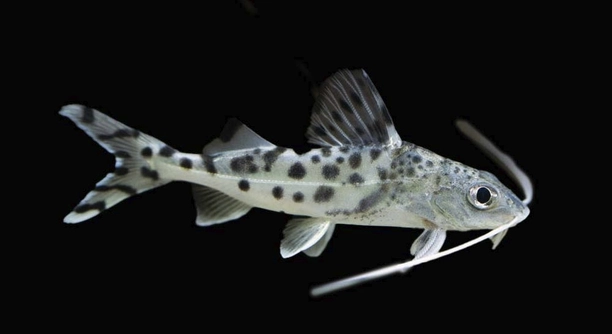
Pictus catfish are popular aquarium fish known for their active behavior and striking appearance. Many fishkeepers enjoy watching how these catfish interact with their environment. Their social habits raise interesting questions about learning and communication among fish.
Pictus catfish can learn from each other through observation and social interactions. Studies show that these fish are capable of recognizing behaviors from their peers, which helps them adapt to new environments and improve survival strategies.
Exploring how pictus catfish learn socially can offer insight into their natural behavior and care needs. Understanding these dynamics benefits both hobbyists and researchers interested in aquatic life.
How Pictus Catfish Observe Each Other
Pictus catfish are naturally social animals that often swim together in groups. They watch the movements and actions of their tank mates closely. When one fish finds food or discovers a hiding spot, others tend to follow. This behavior suggests that pictus catfish use observation as a way to learn. In their natural habitat, this skill helps them avoid predators and find food more efficiently. Aquarium studies show that when one catfish adapts to a change, others quickly pick up on the new behavior. This social learning reduces stress and helps the entire group adjust faster to new environments or situations.
By watching one another, pictus catfish increase their chances of survival in both the wild and captivity. This ability shows a level of intelligence not often expected in fish.
Social observation plays a key role in how pictus catfish adapt and thrive. This natural tendency supports their active and interactive nature, making them engaging pets to care for.
Learning Through Social Interaction
Pictus catfish benefit from group living by sharing knowledge and skills.
When pictus catfish interact, they communicate through body language and movements. For example, if one fish discovers a safe hiding spot, it may lead others there by swimming in that direction. This type of social learning helps reduce risks for the whole group. In aquariums, these catfish often follow a knowledgeable individual, especially when searching for food. Such behavior demonstrates a clear understanding of social cues and cooperation. It also means that keeping pictus catfish in groups can improve their well-being by encouraging natural behaviors and mental stimulation. This interaction supports healthy social dynamics and reduces aggression. For fishkeepers, knowing that pictus catfish learn from each other highlights the importance of maintaining proper group sizes and a stable environment. When their social needs are met, pictus catfish show better adaptation, less stress, and a more active lifestyle.
Recognizing Learned Behaviors in Pictus Catfish
Pictus catfish often show new behaviors after observing tank mates. These learned actions include finding food faster or avoiding certain areas.
When one catfish discovers a feeding routine or a safer hiding spot, others tend to copy it. This mimicry helps the group survive and thrive in their shared environment. Learning from each other reduces trial-and-error for individual fish. For example, if a catfish notices another successfully grabbing food from a specific corner of the tank, it will try to do the same. These behaviors suggest pictus catfish have good memory and social awareness, allowing them to benefit from group experience rather than facing challenges alone. This shared learning supports healthier interactions and less competition within the group.
In aquarium settings, recognizing these learned behaviors can improve care by encouraging group activities and providing varied environments that stimulate natural learning and exploration.
Factors That Affect Social Learning
Tank size and group composition influence how well pictus catfish learn from each other.
A larger tank gives catfish more space to explore and interact, which promotes social learning. In smaller tanks, overcrowding can cause stress, limiting their ability to observe and mimic others effectively. Group size matters too; too few fish reduce chances for learning, while too many may increase competition and aggression. The age and experience of individual catfish also affect social learning. Older or more experienced fish often become leaders that others follow. Water quality and environmental stability play roles as well, since stressed or unhealthy fish are less likely to engage in social learning. Creating an environment that balances space, group size, and water conditions is essential for encouraging natural behaviors and maximizing social learning in pictus catfish.
Benefits of Social Learning for Pictus Catfish
Social learning helps pictus catfish adapt quickly to new environments. It reduces stress and increases their chances of survival in groups.
Learning from others also encourages natural behaviors like exploring and foraging. This makes them more active and engaged in their surroundings.
How to Encourage Learning in Your Aquarium
Providing a varied environment with hiding spots and feeding challenges promotes social learning. Group sizes of at least four catfish help foster interaction and observation among them. Regular, consistent feeding routines also allow fish to learn from each other about when and where food appears.
Signs Your Pictus Catfish Are Learning
Look for fish following each other to food or safe areas. Changes in behavior after one fish discovers something new show social learning in action.
Common Misunderstandings About Pictus Catfish Learning
Pictus catfish do not learn like mammals but still show clear social learning patterns through observation and mimicry.
How do pictus catfish learn from each other?
Pictus catfish learn mainly through observation. When one fish discovers a food source or a safe hiding spot, others notice and imitate the behavior. This social learning reduces the time it takes for each fish to figure things out on its own. They watch movements, feeding patterns, and responses to environmental changes, then adapt accordingly. This ability helps the group survive together by sharing useful information without direct communication.
Can pictus catfish teach each other new behaviors?
While pictus catfish do not teach in the way mammals do, their behavior can influence others. When one catfish consistently uses a particular strategy—like a certain way to find food or avoid stressors—others observe and copy it. This indirect form of teaching happens naturally in groups. The more experienced fish often become role models, guiding younger or less confident fish through their actions.
Do pictus catfish need to be in groups to learn effectively?
Yes, social learning is strongest when pictus catfish are kept in groups. Alone, they miss the opportunity to observe and mimic others. A group setting encourages interaction, allowing fish to pick up on behaviors that improve their well-being. Smaller groups of at least four individuals tend to promote better social learning without causing overcrowding or aggression.
How does tank environment affect learning?
A stable and spacious tank with hiding spots and varied terrain helps pictus catfish explore and observe each other. Stressful conditions, such as poor water quality or overcrowding, reduce their interest in social interaction and learning. Clean water, proper temperature, and sufficient room encourage natural behaviors that support learning and cooperation.
Can pictus catfish recognize individual fish in their group?
Pictus catfish show signs of recognizing familiar tank mates. They tend to swim near or follow certain individuals more than others, which suggests they distinguish between fish. This recognition helps build social hierarchies and makes learning more efficient, as they pay more attention to experienced or dominant fish.
How quickly do pictus catfish learn from others?
The speed of learning varies, but pictus catfish often adopt new behaviors within days of observing their peers. For example, if one fish finds a new food source, others may start feeding there the same day. This quick adaptation shows their ability to respond to changes in their environment by using social cues.
What are common signs that pictus catfish are learning?
Signs include changes in feeding habits, following one another to specific tank areas, or avoiding places where one fish showed discomfort. Increased group coordination and reduced aggression can also indicate successful social learning. These behaviors suggest that fish are communicating and adapting based on shared experiences.
Is social learning in pictus catfish affected by age?
Yes, older and more experienced fish often lead the group by demonstrating behaviors younger fish copy. Younger pictus catfish learn by watching these leaders. This dynamic creates a natural mentorship within the group, improving survival chances for the younger members.
Do pictus catfish learn from other fish species?
While pictus catfish primarily learn from their own species, they may also observe and respond to behaviors of other fish sharing the tank. However, social learning is more effective within their own species due to similar communication styles and social structures.
How can fishkeepers support social learning in pictus catfish?
Maintaining a healthy, well-balanced group in a suitable tank setup encourages natural behaviors and learning. Providing consistent feeding routines and enriching the environment with plants, caves, and open swimming areas stimulates exploration and observation. Avoiding overcrowding and monitoring water quality are also important to reduce stress and support social interaction.
Can social learning reduce aggression among pictus catfish?
Yes, social learning can help reduce aggression by promoting group cohesion. When fish understand feeding routines and safe spaces, competition decreases. Observing and mimicking calm behaviors lowers stress and supports peaceful coexistence in the tank.
Are there limits to what pictus catfish can learn socially?
Pictus catfish learning is mainly practical and related to survival needs like finding food and shelter. They do not develop complex problem-solving skills like some mammals or birds, but their social learning is effective for adapting to environmental changes and improving group safety.
Does social learning improve pictus catfish’s overall health?
Yes, fish that engage in social learning tend to be more active and less stressed. This leads to better immune function and longer lifespans. A stimulating social environment keeps their minds and bodies healthier compared to isolated or unstimulated fish.
What happens if pictus catfish cannot learn socially?
Without social learning, pictus catfish may struggle to adapt to changes or new challenges. This can lead to increased stress, slower feeding responses, and higher vulnerability to illness. Isolated fish or those in poorly managed tanks often show less natural behavior and reduced well-being.
Pictus catfish show clear signs of social learning through observation and interaction with each other. They watch their tank mates to find food, safe spots, and ways to handle their environment. This natural behavior helps them adapt faster and reduces the time and effort needed to learn on their own. In groups, they develop better survival strategies, which benefit the entire community. Understanding this aspect of their behavior allows fishkeepers to provide better care and improve the living conditions for these fish.
Keeping pictus catfish in appropriate group sizes and a well-maintained tank supports their social learning abilities. When these fish have enough space and stable water conditions, they can freely explore and observe each other. This reduces stress and encourages natural behaviors. Providing hiding places, regular feeding times, and opportunities for interaction allows pictus catfish to share knowledge effectively. These factors combine to create a healthier environment where the fish are more active, less aggressive, and better able to thrive.
Social learning in pictus catfish is not as complex as in mammals, but it plays an important role in their daily lives. The way they observe and copy each other highlights their intelligence and adaptability. For hobbyists, recognizing this behavior is helpful for creating a supportive aquarium setup. Paying attention to how pictus catfish interact can guide decisions on tank size, group composition, and enrichment. Overall, fostering social learning leads to happier, healthier fish and a more rewarding experience for those caring for them.

Hello,
If you enjoy the content that we create, please consider saying a "Thank You!" by leaving a tip.
Every little bit helps us continue crafting quality advice that supports the health, happiness, and well-being of pets around the world, for pets of all shapes, sizes, and species.
We really appreciate the kindness and support that you show us!