
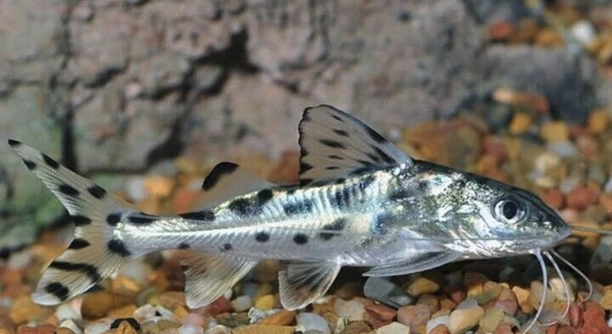
Is your active pictus catfish making it difficult to keep peace in your aquarium? Their energy can unsettle more relaxed tankmates, creating stress and imbalance. Choosing the right companions is essential for a harmonious tank environment.
Balancing tankmates with active pictus catfish requires selecting similarly active, non-aggressive species that can thrive in the same conditions. Avoid slow-moving or long-finned fish, as they may become targets for chasing or stress in a shared habitat.
Finding compatible tankmates makes a big difference in creating a peaceful and healthy aquarium. Let’s look at the best ways to achieve that balance.
Understand the Nature of Pictus Catfish
Pictus catfish are naturally active, fast swimmers that love to explore their surroundings. They tend to stay in the lower areas of the tank but will dart around quickly, especially at night. Their constant movement can cause stress for shy or slow-moving fish. Pictus catfish also have a semi-aggressive streak, especially during feeding or when housed in a group that is too small. They thrive best in groups of five or more, which helps reduce aggressive behavior among them. Providing hiding spaces and keeping tank lighting low can also help minimize stress for other species. Their curious nature and quick movements mean you need tankmates that can match their energy without becoming targets. Avoid long-finned or passive fish, as they are more likely to become stressed or nipped. Understanding the temperament and habits of pictus catfish is the first step to building a balanced and safe aquarium.
Keep their behavior in mind when choosing companions. The wrong match can lead to unnecessary stress and health issues.
When pictus catfish feel secure in their environment, they are less likely to harass tankmates. Keeping them in a group helps distribute activity, while stable water conditions and hiding spots reduce tension for all fish in the aquarium.
Choose Compatible Tankmates
Avoid fish with long fins, slow swimmers, or those prone to stress. They won’t do well with pictus catfish.
Suitable tankmates for pictus catfish include similarly active and fast-swimming species like larger tetras, barbs, and rainbowfish. These fish can hold their own without causing trouble. Avoid overly aggressive species, but make sure potential tankmates aren’t so timid that they hide constantly. Bottom dwellers such as loaches and some types of plecos can also work well, as they usually mind their own space. Just ensure the tank is large enough—at least 55 gallons—to give everyone room. Also, avoid mixing them with very small fish like neon tetras, which might be mistaken for food. Always observe new additions closely for the first few days. Compatibility can vary, even within the same species, so stay alert for any signs of stress, fin damage, or aggressive chasing. A well-balanced tank relies on knowing which fish can handle the pictus catfish’s energy without adding more stress to the environment.
Maintain Proper Tank Size and Layout
A cramped tank increases aggression and stress. A minimum of 55 gallons is recommended, with larger tanks preferred for mixed-species setups. Use plenty of hiding spots and open swimming space to reduce conflict and promote comfort.
Pictus catfish need space to swim freely. Without it, their activity becomes overwhelming for other fish. Tall plants, driftwood, and caves help break lines of sight and allow tankmates to retreat when needed. Creating a clear separation between open areas and hiding zones also supports peaceful cohabitation. Strong filtration and steady water flow help mimic their natural river environments, improving overall behavior. Limit decorations that block swim paths, and always leave room for open movement. Keeping everything clean and organized can make a noticeable difference in how well your fish interact.
Tank layout matters as much as size. Even with the right volume, a poorly arranged space can cause crowding and lead to stress. Spreading out decorations keeps fish from clumping in one area. Combine visual barriers with open zones to allow fish to escape each other’s line of sight. This approach makes it easier for pictus catfish and their tankmates to find comfort, stay active, and avoid unnecessary encounters. Regular water changes and consistent care keep the environment stable and healthy.
Feed Strategically and Avoid Competition
Pictus catfish are fast eaters, and slower fish often miss out. To keep feeding balanced, offer food in multiple areas and use a mix of sinking pellets and floating flakes or frozen foods.
Feeding should be calm and consistent. Drop sinking pellets for bottom feeders while adding floating flakes or slow-sinking food elsewhere. Feed small amounts at a time, allowing different fish to reach their meals without crowding. Doing this in stages keeps pictus catfish from outpacing others. Offer food twice a day in smaller portions to reduce leftovers and maintain water quality. Use feeding rings for surface eaters to prevent food from scattering too fast. Observing your fish during mealtime helps you identify which species may need special attention. Avoid overfeeding—it only increases waste and competition. Keeping a regular schedule helps all fish adjust and eat calmly.
Feeding the right way keeps the tank peaceful. Fast-moving species can hold their own during meals, but slower tankmates might still struggle. To help them, feed with tools like pipettes or feeding tongs to direct food where it’s needed. Frozen foods like brine shrimp or bloodworms can distract pictus catfish long enough for others to eat. Stay consistent and adjust portions as your fish grow. Proper feeding techniques keep your tank balanced, limit aggression, and support the health of every species.
Monitor Behavior Closely
Watch for chasing, fin nipping, or changes in swimming patterns. These signs show that tankmates may not be compatible or are becoming stressed. Early detection helps prevent injuries and long-term issues in a mixed-species tank.
If one fish constantly hides or shows torn fins, it’s likely under stress. Relocate aggressive or overly shy fish before problems escalate.
Adjust Lighting and Water Flow
Pictus catfish prefer dim lighting and moderate water flow, which matches their natural habitat. Use floating plants or adjustable lights to reduce brightness. Keep flow steady but not harsh. This setup helps keep them calm and less reactive. Matching environmental conditions supports peaceful behavior and benefits all species in the tank.
Quarantine New Fish
Always quarantine new fish for at least two weeks before adding them to the main tank. This helps prevent the spread of diseases and gives you time to observe their behavior and compatibility.
FAQ
Can pictus catfish live with angelfish?
It’s not recommended. Angelfish have long fins and slower movement, making them poor tankmates for pictus catfish. The fast, active swimming style of pictus catfish can cause stress to angelfish, and their fins may become targets. Even if aggression isn’t visible at first, over time, stress can weaken angelfish, leading to illness or hiding behavior. It’s safer to keep pictus catfish with more active, short-finned species that can handle the pace of the tank without getting overwhelmed or injured.
How many pictus catfish should I keep together?
A group of five or more is ideal. Keeping pictus catfish in small groups helps reduce their aggression and encourages natural schooling behavior. When kept alone or in pairs, they often become more territorial and chase other tankmates. In larger groups, their social focus turns inward, helping to maintain a peaceful tank. Be sure your aquarium is large enough—at least 55 gallons—to provide enough space for a group. Crowding them in a small tank can increase stress for both the pictus catfish and their tankmates.
Do pictus catfish eat smaller fish?
Yes, they will eat smaller fish if given the chance. Pictus catfish are opportunistic feeders with a strong predatory instinct, especially at night. If smaller tankmates can fit into their mouth, they’re at risk. This includes neon tetras, guppies, or other bite-sized fish. For safety, always choose tankmates that are similar in size or larger than the pictus catfish. This helps reduce the risk of accidental predation and promotes a more stable environment. Feeding them properly and keeping them in groups also helps reduce hunting behavior.
Are pictus catfish aggressive?
They are not truly aggressive, but they can be overly active and intimidating to calm or slow species. Their fast swimming and high energy may come off as aggression, especially during feeding or in tight spaces. They may chase or bump into tankmates out of curiosity, but actual biting is uncommon when the tank is properly set up. Providing enough space, hiding areas, and choosing compatible tankmates will reduce unwanted behavior. Grouping them also spreads out their energy and keeps the tank dynamic but manageable.
What water parameters do pictus catfish need?
Pictus catfish prefer soft, slightly acidic to neutral water. Keep the pH between 6.5 and 7.5, and temperature between 72°F and 80°F. They need clean, well-oxygenated water with moderate flow. Strong filtration is important because they are sensitive to poor water quality. Weekly water changes of 25–30% help keep conditions stable. Test water regularly and avoid sudden changes. A stable, clean tank keeps their behavior balanced and reduces stress on other species.
Can I keep pictus catfish in a community tank?
Yes, but only with the right setup and compatible fish. Choose tankmates that are fast, active, and not easily startled. Avoid long-finned, slow, or timid species. Provide plenty of space, hiding spots, and separate feeding zones. Proper planning and observation make a community tank with pictus catfish possible and rewarding.
How big do pictus catfish get?
They typically grow up to 5 inches in length. While not huge, their activity level makes them seem larger in a tank. Because of their movement, they need plenty of swimming space. A small tank will quickly feel crowded, especially with multiple fish. Plan for their full size when stocking your tank to avoid space issues later.
What do pictus catfish eat?
They are omnivores and enjoy a varied diet. Use sinking pellets as a staple, supplemented with frozen or live foods like bloodworms, brine shrimp, and chopped earthworms. Occasional vegetables like cucumber or zucchini slices can also be offered. Feed them in small portions twice a day. Spread out food to prevent competition and ensure all fish are fed. A balanced diet helps maintain energy levels and supports their health.
Do they need light at night?
No, pictus catfish are nocturnal and do best with a regular light/dark cycle. Too much light can stress them. Use low lighting in the evening or provide floating plants to create shaded areas. Avoid turning on lights suddenly during the night. Letting the tank remain dark helps them stay calm and supports natural behavior.
Why is my pictus catfish hiding all the time?
If a pictus catfish hides constantly, it could be due to stress, illness, or lack of hiding spots. Make sure water parameters are stable and the tank is large enough. If they are alone or in a very small group, they may feel insecure. Add more of their own kind and provide driftwood or caves to help them feel safe. Once they feel secure, they usually become more active, especially at night.
Final Thoughts
Balancing tankmates with active pictus catfish takes planning, patience, and close observation. Their active nature can overwhelm calm or slow-moving species, especially in tanks that are too small or lack hiding spots. Choosing the right tankmates is one of the most important steps. Fish that are fast, similar in size, and confident swimmers tend to do well with pictus catfish. Slow fish with long fins, or those that prefer quiet environments, are more likely to become stressed or injured. Watching how different species interact early on helps prevent long-term problems and allows you to make adjustments when needed.
A well-planned tank layout also supports balance. Providing enough space, strong filtration, and a mix of open swimming zones and covered hiding areas helps all fish feel comfortable. Pictus catfish are more peaceful when they have space to move and places to rest. Feeding methods matter, too. Spread out food and offer a mix of floating and sinking options to ensure all tankmates are getting enough to eat without competition. Monitor feeding closely and avoid overfeeding, as this can increase stress and reduce water quality. Keeping your tank clean and steady will support calm, healthy behavior for every fish inside.
Every tank is different, and what works for one setup might not work for another. Keep a close eye on behavior, test water conditions regularly, and be ready to move fish if needed. The goal is to maintain a peaceful, active, and healthy environment where all species can thrive. Pictus catfish can be a great addition to a community tank when their needs are respected. With the right planning and care, it’s possible to enjoy their energy and movement while keeping things safe and balanced for the rest of your tank.

Hello,
If you enjoy the content that we create, please consider saying a "Thank You!" by leaving a tip.
Every little bit helps us continue crafting quality advice that supports the health, happiness, and well-being of pets around the world, for pets of all shapes, sizes, and species.
We really appreciate the kindness and support that you show us!