
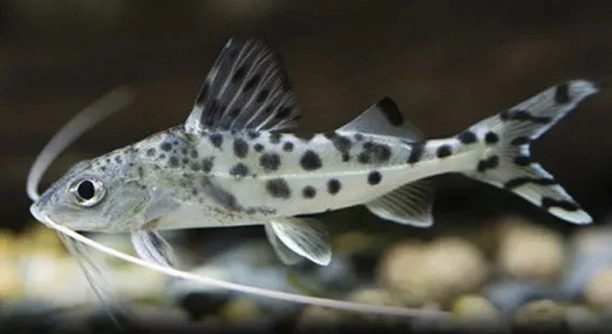
Pictus catfish are popular aquarium fish known for their active swimming and peaceful nature. Many owners enjoy watching their fins move gracefully. However, fin damage is a common issue that can affect their health and appearance.
Fin damage in Pictus is often caused by poor water quality, physical injuries, fin rot infections, stress, aggressive tank mates, improper diet, and inadequate tank conditions. Each factor contributes to weakening or harming the delicate fins.
Understanding these causes can help you protect your Pictus and keep their fins healthy and intact. This article will explain what to watch for and how to prevent fin damage.
Poor Water Quality
Poor water quality is one of the most common causes of fin damage in Pictus catfish. When the water contains high levels of ammonia, nitrites, or nitrates, it can irritate the fish’s skin and fins. Dirty water also encourages the growth of harmful bacteria and fungi that can lead to infections like fin rot. These infections cause the fins to look ragged or frayed. Maintaining clean water with regular changes and proper filtration is essential to keep your Pictus healthy. Avoid overfeeding, as leftover food can pollute the tank and worsen water quality. Testing the water regularly helps you catch problems early and prevent fin damage.
Consistent water maintenance is the best defense against fin problems caused by poor water quality.
Checking water parameters and doing weekly partial water changes will protect your fish from harmful conditions. Keeping the tank clean reduces stress and supports fin healing, allowing your Pictus to swim comfortably with strong, intact fins.
Physical Injuries
Physical injuries often happen when Pictus swim into sharp decorations, rough surfaces, or get nipped by other fish. These injuries can tear or damage their fins, leaving them vulnerable to infections. It’s important to provide a tank environment that is safe and free of anything that can cause harm. Smooth decorations and hiding spots help reduce accidents and stress for your fish. Monitoring tank mates and avoiding aggressive species will also lower the chances of fin damage from fighting. If you notice any wounds, prompt treatment can prevent infections and promote healing. Ensuring a safe habitat supports the overall health and appearance of your Pictus.
Fin Rot Infections
Fin rot is a bacterial or fungal infection that causes fins to deteriorate and look ragged. It usually starts as small spots or edges that turn white or dark before the fin tissue begins to decay.
This infection develops when fish live in poor water conditions or face stress, which weakens their immune system. Fin rot spreads quickly if not treated, causing severe fin loss and even affecting the fish’s health overall. Early signs include discoloration and frayed edges. Treatment involves improving water quality and using antibacterial or antifungal medications. Keeping the tank clean and monitoring fish closely helps prevent fin rot from taking hold.
Once fin rot is under control, fins can start to grow back, but full recovery depends on timely care and maintaining a healthy environment. Consistent water changes and avoiding overcrowding are key to stopping this infection from returning.
Stress
Stress in Pictus catfish often comes from overcrowding, sudden changes in water parameters, or aggressive tank mates. Stress weakens the immune system and makes fish more vulnerable to fin damage and disease.
Stress causes fish to hide, lose appetite, or swim erratically. It can also lead to fin biting, where the fish themselves or others nip at damaged fins. Reducing stress means providing enough space, stable water conditions, and peaceful tank mates. Avoid sudden changes in lighting, temperature, or tank layout to keep stress levels low.
A calm environment encourages healthy behavior and better resistance to infections. Regular observation helps catch signs of stress early, allowing quick action to protect your Pictus. Managing stress is essential for preventing fin damage and supporting your fish’s overall well-being.
Aggressive Tank Mates
Aggressive tank mates can cause physical damage to Pictus fins by nipping or chasing them. This behavior stresses the fish and leads to torn or ragged fins.
Choosing peaceful companions is key to preventing fin injuries and keeping a calm tank environment.
Improper Diet
A poor diet lacking essential nutrients weakens fin health and slows healing. Without enough vitamins and minerals, fins become fragile and prone to damage. Feeding a balanced diet with high-quality flakes, pellets, and occasional live or frozen foods supports strong, healthy fins.
Good nutrition also boosts the immune system, helping your Pictus fight infections and recover faster from any injuries.
Inadequate Tank Conditions
Small tanks or those without proper filtration limit oxygen levels and water quality. Poor tank conditions increase stress and make fins more vulnerable to damage and disease. Providing enough space and efficient filtration helps maintain a healthy environment for your Pictus to thrive.
FAQ
What are the first signs of fin damage in Pictus?
The first signs often include small tears or frayed edges on the fins. You might notice discoloration, such as white or dark spots, or fins that look ragged and uneven. Sometimes the fish may swim less actively or hide more than usual.
How can I prevent fin rot from developing?
Preventing fin rot starts with maintaining clean water through regular changes and proper filtration. Avoid overcrowding and reduce stress by providing a calm environment. Quarantine new fish before adding them to the tank to avoid introducing infections.
Is fin damage reversible in Pictus catfish?
Yes, fin damage can heal if the cause is addressed quickly. Clean water, proper nutrition, and treatment of infections help fins grow back. However, severe damage or repeated injuries may leave permanent scars or deformities.
Can stress alone cause fin damage?
Stress weakens the immune system and can lead to fin biting, where fish nip at their own fins or those of tank mates. While stress doesn’t directly tear fins, it increases the chance of damage and infection.
What foods are best for healthy fins?
A diet rich in vitamins A, C, and D, along with protein, supports fin health. Quality flakes or pellets formulated for catfish, supplemented with live or frozen foods like bloodworms or brine shrimp, provide good nutrition.
How often should I change water to keep fins healthy?
Weekly partial water changes of about 20-30% help maintain water quality. Testing the water regularly ensures ammonia, nitrite, and nitrate levels stay safe. More frequent changes may be needed in crowded tanks.
Can tank decorations cause fin injuries?
Yes, sharp or rough decorations can tear fins when fish swim too close. Use smooth, rounded decorations and avoid sharp rocks or broken objects to protect your Pictus’s fins.
What are safe tank mates for Pictus catfish?
Peaceful fish like tetras, rasboras, and Corydoras catfish usually get along well with Pictus. Avoid aggressive or fin-nipping species such as barbs or certain cichlids to reduce fin damage risks.
When should I use medication for fin damage?
If you notice signs of infection like fin rot—discolored edges, fuzzy patches, or worsening tears—medication may be necessary. Use antibacterial or antifungal treatments as directed and always improve water quality alongside treatment.
Can overcrowding cause fin damage?
Overcrowding leads to stress and aggression, increasing the chances of fin nipping and poor water quality, which can cause infections. Providing enough space per fish reduces these risks and promotes healthier fins.
How long does it take for fins to heal?
Healing time depends on damage severity and tank conditions. Minor tears may heal in a few weeks, while severe fin rot or injuries can take months. Consistent care speeds up recovery.
Is it normal for Pictus to lose fins during molting or growth?
Pictus do not molt. Fin loss is usually a sign of injury or disease. Any sudden fin deterioration should be checked and treated promptly.
Can I prevent fin damage with tank size?
Yes, a larger tank provides more space to swim and reduces stress and aggression. Minimum recommended size for Pictus is 30 gallons, but bigger is better to keep them comfortable and healthy.
Fin damage in Pictus catfish is a common problem that many aquarium owners face. The causes are often linked to factors like water quality, tank environment, diet, and the behavior of other fish in the tank. Understanding these causes is important for preventing fin damage and keeping your fish healthy. Simple steps such as regular water changes, providing a safe and spacious tank, and choosing peaceful tank mates can make a big difference. When these conditions are met, Pictus catfish can maintain strong, beautiful fins and enjoy a better quality of life.
It is also important to act quickly when you notice signs of fin damage. Early detection allows for easier treatment and faster recovery. Poor water quality and infections like fin rot need immediate attention to avoid more serious problems. Providing proper nutrition supports the healing process and helps the immune system fight off infections. Keeping stress low by avoiding overcrowding and aggressive fish also helps your Pictus stay healthy. Regular observation and care are essential parts of responsible fish keeping.
In the end, caring for Pictus catfish requires attention to their environment and health. Preventing fin damage is not difficult when the right steps are taken. With clean water, good nutrition, and a calm tank, your Pictus can thrive and display their natural beauty. Remember, a healthy fish is a happy fish, and small efforts in maintenance can lead to long-lasting benefits for your aquarium. Taking the time to learn and provide the best care will help your Pictus live a strong and active life.

Hello,
If you enjoy the content that we create, please consider saying a "Thank You!" by leaving a tip.
Every little bit helps us continue crafting quality advice that supports the health, happiness, and well-being of pets around the world, for pets of all shapes, sizes, and species.
We really appreciate the kindness and support that you show us!