
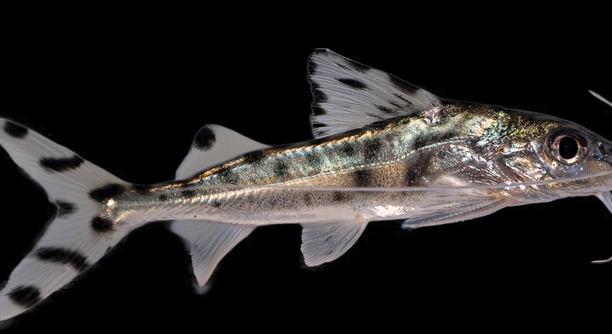
Choosing the right background for your Pictus catfish can greatly affect its comfort and well-being. Many aquarists often overlook how background colors and patterns influence these lively fish. A suitable background can reduce stress and make your catfish feel more secure.
The best backgrounds for Pictus catfish are those that mimic their natural environment with darker tones and subtle patterns. Such backgrounds help reduce reflections and bright light, providing a calm atmosphere that supports their nocturnal and shy behavior.
Understanding how backgrounds impact your catfish’s comfort will help you create a better home for them. This article will guide you through practical tips to select backgrounds that suit their needs.
Choosing the Right Colors for Pictus Catfish Backgrounds
Colors play a big role in making your Pictus catfish feel at ease. These fish come from riverbeds where the environment is often dim and full of shadows. Darker colors like deep blues, blacks, and browns help recreate this setting. Bright or flashy colors can startle the fish and increase their stress levels. It’s best to avoid backgrounds that are too light or reflective because these can cause the fish to feel exposed. A simple, natural color palette also helps highlight the catfish’s unique spotted pattern without overwhelming the tank’s look. When I first set up a tank, I noticed my Pictus catfish swam more confidently with darker backgrounds. It’s clear they feel safer in these conditions, and their natural behaviors come out more often.
Using muted or dark tones mimics the catfish’s natural habitat and keeps them calmer. Avoid bright, glossy backgrounds.
Choosing the right background color is essential to reduce stress and promote healthy behavior in your catfish. Darker tones encourage natural activity and comfort, making your tank a more peaceful place for them.
Background Patterns and Textures Matter
Simple and subtle patterns work best for Pictus catfish backgrounds. Busy or overly detailed designs can confuse or frighten them. Natural-looking textures, such as rock or wood images, provide visual interest without being overwhelming. I’ve found that backgrounds with a slight gradient or gentle shading create a sense of depth, making the tank feel larger and more natural. Patterns that are too sharp or repetitive may cause the fish to avoid certain areas. Since Pictus catfish are bottom dwellers, a background that mimics riverbeds or shaded areas gives them a sense of security. Smooth, non-reflective surfaces also help reduce glare, which can disturb their calm nature.
A simple, natural pattern keeps the environment calming and easy for the fish to adjust to.
Carefully chosen textures and patterns create a safer space, helping your Pictus catfish settle in well. Mimicking their natural habitat encourages normal behavior and keeps them less stressed. When the background blends quietly with the tank, the fish can focus on exploring instead of hiding. This thoughtful choice makes a real difference in their daily comfort and overall happiness.
Lighting and Background Interaction
Lighting affects how your Pictus catfish perceives the background. Too much light can create glare on bright or reflective backgrounds, making the fish uneasy. Soft, dim lighting works best with darker backgrounds to keep the environment calm and natural.
When the tank lighting is gentle, dark backgrounds appear richer and reduce stress for the catfish. Harsh lighting can create strong reflections on glossy surfaces, causing discomfort or hiding spots to disappear. I noticed my catfish hid more when the tank was brightly lit with a shiny background. Using adjustable lighting allows you to find the perfect balance, ensuring the background supports the fish’s comfort rather than disturbing it.
It’s important to match your lighting with the background’s texture and color. Matte or non-reflective backgrounds combined with low light help Pictus catfish feel safer and encourage natural movement. This setup also improves how you view your fish without causing unnecessary stress.
Practical Tips for Setting Up Your Tank Background
Choose backgrounds made from non-reflective materials to avoid glare that can stress your Pictus catfish. Vinyl or printed backgrounds with matte finishes are great options because they reduce light reflection. Avoid glass or shiny plastic surfaces behind the tank.
Make sure the background covers the entire back wall to prevent outside distractions and help your fish feel enclosed. Position your tank away from direct sunlight, which can brighten the background too much and upset the fish’s calm environment. Consider adding plants or natural decorations in front of the background for added comfort and hiding spots. Over time, I learned that small changes like these make a big difference in my catfish’s behavior and stress levels. Creating a consistent and calming space helps them thrive.
Maintenance and Cleaning of Backgrounds
Keeping your tank background clean is important for your Pictus catfish’s comfort. Dirt or algae buildup can change how the background looks and affect the tank’s light balance. Regular wiping or gentle scrubbing keeps it clear and natural.
Use soft cloths or sponges to clean the background without scratching. Avoid harsh chemicals that could harm your fish or damage the material.
Choosing Backgrounds for Different Tank Sizes
Smaller tanks benefit from simple, dark backgrounds that make the space feel cozy and secure for Pictus catfish. In larger tanks, backgrounds with subtle gradients or natural textures can add depth and visual interest without overwhelming the fish.
Avoiding Reflective Surfaces
Reflective backgrounds create glare and stress for Pictus catfish. Matte finishes are best to keep reflections low and the environment peaceful. Choosing the right surface helps your fish stay calm and comfortable in their space.
What type of background colors are best for Pictus catfish?
Darker colors like deep blues, blacks, and browns are ideal for Pictus catfish. These colors mimic their natural riverbed environment, helping reduce stress. Bright or light colors can make the fish feel exposed and uneasy. Using muted tones creates a calm atmosphere where the catfish feel more secure and behave naturally.
Can I use a bright or patterned background for my Pictus catfish tank?
It’s better to avoid bright and overly patterned backgrounds. Busy or flashy designs may frighten the catfish or cause them to hide more often. Subtle textures that resemble rocks, wood, or shaded areas are a safer choice. Simple backgrounds help the fish feel comfortable and allow their spots to stand out without distraction.
Does the tank lighting affect which background I should choose?
Yes, lighting plays an important role. Bright lighting can cause reflections and glare on shiny or light backgrounds, making the fish stressed. Using dim or soft lighting with matte, dark backgrounds helps reduce reflections and keeps the tank calm. Adjusting both lighting and background together improves your fish’s comfort.
How often should I clean the tank background?
Cleaning the background regularly prevents algae and dirt buildup that can alter the tank’s appearance and light balance. A gentle wipe or soft sponge once every few weeks is usually enough. Avoid harsh chemicals to keep the fish safe and preserve the background material.
Are reflective backgrounds bad for Pictus catfish?
Reflective backgrounds are not recommended because they create glare that can stress the fish. Reflections confuse Pictus catfish and may make them swim nervously or hide more. Matte or non-reflective surfaces provide a more peaceful environment and encourage normal, calm behavior.
Can I use natural materials as backgrounds, like wood or rock?
Using images or textures that look like natural materials is a good idea, but real wood or rocks should not be attached as backgrounds because they can alter water quality. Printed or vinyl backgrounds with natural textures give the same comfort without affecting the tank’s water chemistry.
Should the background cover all sides of the tank?
Covering just the back wall is usually enough to reduce outside distractions and create a secure feeling. However, side backgrounds can be added if the tank is placed in a busy area. The goal is to minimize sudden movements or bright lights that might stress the fish.
Will changing the background stress my Pictus catfish?
Sudden changes can cause stress, so it’s best to switch backgrounds gradually. Introduce the new background while keeping some elements of the old setup if possible. Giving your catfish time to adjust helps maintain their comfort and normal behavior.
Can a background improve the health of my Pictus catfish?
Indirectly, yes. A proper background reduces stress by making the fish feel safe. Lower stress improves immune response and overall health. When the fish feel secure, they are more likely to eat well and stay active, which are key factors in good health.
Is it better to have a plain background or one with subtle design?
Both can work, but subtle designs that mimic nature are often best. They add visual interest without overwhelming the tank or stressing the fish. Plain dark backgrounds keep things simple and calm, which some Pictus catfish prefer. The choice depends on the tank setup and your fish’s behavior.
How do I know if my Pictus catfish likes the background?
Watch their behavior. If they swim openly, explore the tank, and rest calmly, the background is likely comfortable. If they hide constantly or seem nervous near the tank walls, the background or lighting might be causing stress. Small changes can make a big difference.
Can plants or decorations affect how the background works?
Yes, live or artificial plants and decorations add layers of security and break up the background. They create hiding spots and help the catfish feel less exposed. Combining a suitable background with proper decorations gives your fish a more natural, relaxing environment.
Choosing the right background for your Pictus catfish is more important than many people realize. It is not just about making the tank look good; it is about creating a space where your fish feels safe and comfortable. Darker colors and simple, natural patterns are usually best because they mimic the fish’s natural environment. When the background matches their needs, the fish are less stressed and more likely to show their normal, happy behavior. This makes watching them much more enjoyable and helps keep them healthy.
Lighting and background go hand in hand. Even a perfect background can become uncomfortable if the lighting is too bright or causes reflections. Soft, dim lighting works best with darker, matte backgrounds to reduce glare and stress. It is important to avoid shiny or reflective surfaces that can confuse or frighten the fish. By paying attention to these details, you create a peaceful and calm environment. Over time, you will see your Pictus catfish swim confidently and explore more when they feel safe in their tank.
Regular care for your background is also part of keeping your fish happy. Algae or dirt can change how the background looks and affect the tank’s light, which may disturb the fish. Cleaning gently without harsh chemicals helps keep the tank looking good and safe for your catfish. Small touches, like covering the entire back wall and adding natural decorations, add comfort and reduce outside distractions. These simple steps help your Pictus catfish live a calmer and healthier life in your home aquarium.

Hello,
If you enjoy the content that we create, please consider saying a "Thank You!" by leaving a tip.
Every little bit helps us continue crafting quality advice that supports the health, happiness, and well-being of pets around the world, for pets of all shapes, sizes, and species.
We really appreciate the kindness and support that you show us!