
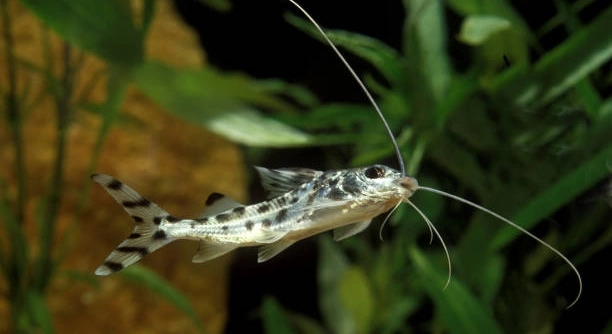
Are your Pictus catfish often seen darting around when there is movement outside their tank? These active fish are known for their swift swimming and sensitivity to changes in their environment. Understanding their behavior can help create a calmer aquarium experience.
Pictus catfish are generally cautious and can be startled by sudden movement outside their tank. This reaction is a natural defense mechanism to avoid potential threats, though they usually calm down quickly once they recognize no danger is present.
Learning about their response to external stimuli will help you create a peaceful environment that supports their well-being and reduces unnecessary stress.
Why Pictus Catfish React to Movement
Pictus catfish have keen senses that help them detect changes in their surroundings. Their large eyes and sensitive barbels allow them to notice motion quickly. This makes them responsive to people walking by or sudden movements near the tank. Because they come from rivers with many predators, they are naturally alert. Sudden movement can trigger a startle response, causing them to swim away fast or hide. This behavior is a survival instinct that has helped their species avoid danger in the wild. While they can get used to regular activity around the tank, unexpected or abrupt motions will likely continue to cause a reaction. Knowing this helps aquarium owners avoid stressing their fish by keeping a calm environment and moving slowly near the tank.
Being aware of their natural instincts supports better care and helps maintain their comfort in captivity.
Creating a stable environment with minimal sudden movement allows Pictus catfish to feel safer and more relaxed.
Tips to Reduce Stress From Movement
Keeping the area around your tank quiet and calm limits sudden stimuli.
To help your Pictus catfish adjust, position the tank where foot traffic is low and avoid tapping on the glass. Regular, gentle activity near the tank can help them get used to your presence. Adding plants or decorations provides hiding spots, giving them places to retreat when startled. This setup reduces anxiety and encourages natural behavior. Maintaining consistent lighting and avoiding sudden changes also contribute to their comfort. Over time, the fish will learn to feel secure even with some movement outside the tank. This makes watching them more enjoyable and supports their health.
Offering a peaceful space and predictable routine helps these fish thrive by minimizing unnecessary stress triggers.
How Movement Affects Pictus Catfish Behavior
Pictus catfish may become more active or hide when there is movement near their tank. Their reaction depends on how sudden or frequent the movement is, and how comfortable they feel in their environment.
If the movement is frequent and consistent, Pictus catfish often learn to tolerate it over time. They can become less skittish once they recognize there is no real threat. However, sudden and unexpected motions can cause quick bursts of stress, making them dart around or seek shelter. It’s important to provide enough hiding spots and maintain a calm environment so they feel safe. This helps balance their natural cautiousness with their curious nature.
Regular exposure to gentle, predictable activity near the tank can help Pictus catfish adapt. Consistency reduces their stress response and encourages normal swimming and feeding behavior.
Signs of Stress From Movement
Stress in Pictus catfish may show through erratic swimming or hiding for long periods.
When stressed by movement, they may swim frantically or cling to decorations. Loss of appetite and duller colors can also be signs. Prolonged stress impacts their immune system, making them vulnerable to illness. Ensuring a peaceful setting and monitoring their behavior closely helps maintain their health.
Creating a Calm Environment
Keeping the room quiet around the tank helps reduce sudden movements that startle Pictus catfish. Soft lighting and stable water conditions also contribute to a peaceful habitat.
Positioning the tank away from busy areas and loud noises can make a big difference. This allows the fish to feel safer and less reactive to outside activity.
Using Decorations to Provide Safety
Adding plants, rocks, or caves offers hiding spots for Pictus catfish when they feel stressed. These decorations mimic their natural environment and give them places to retreat. Hiding places help the fish manage anxiety caused by movement outside the tank. A well-decorated tank encourages natural behavior and comfort, improving their overall well-being.
Monitoring Their Response
Watch how your fish behave with changes in their environment. Adjust the setup if they seem overly stressed.
FAQ
Are Pictus catfish afraid of people moving around the tank?
Yes, Pictus catfish can be startled by sudden or fast movements near their tank. Their natural instinct is to be cautious of potential threats. However, with regular gentle exposure to activity, they often become less skittish and learn to tolerate people moving nearby.
How can I help my Pictus catfish feel less scared of movement?
Creating a calm environment is key. Keep the tank in a low-traffic area where movement is slow and predictable. Adding plenty of hiding spots like plants and caves gives them places to retreat when they feel nervous. Avoid tapping on the glass or making sudden loud noises.
Why do Pictus catfish dart away when someone walks by?
Darting is a natural defense response. In the wild, quick movements often signal danger, so they swim away fast to avoid predators. This instinct remains strong in captivity, so sudden movement near the tank can cause this behavior.
Will Pictus catfish get used to movement outside the tank?
Yes, they usually adjust over time. Consistent, gentle movement around the tank helps them become familiar with their environment and reduces their stress response. Patience and a steady routine are important.
Can too much stress from movement harm my Pictus catfish?
Prolonged stress can weaken their immune system and cause health problems. Signs include hiding excessively, loss of appetite, or unusual swimming patterns. Minimizing sudden disturbances and keeping a stable environment helps prevent stress-related issues.
Is it normal for Pictus catfish to hide a lot?
Yes, hiding is a normal behavior, especially when they feel threatened or stressed. Providing enough hiding places lets them feel secure and control when they come out. If they hide constantly, it might indicate stress or illness.
How do I know if my Pictus catfish is stressed?
Watch for signs like rapid swimming, hiding more than usual, refusing food, or color fading. These signs suggest they are uncomfortable. Checking tank conditions and reducing sudden movements can improve their comfort.
Should I cover the tank to reduce stress from outside movement?
Covering the top or sides of the tank can block some visual distractions and make the fish feel more secure. However, it’s better to focus on placing the tank in a calm area and creating hiding spots rather than relying only on covers.
Does lighting affect how sensitive Pictus catfish are to movement?
Yes, bright or flickering lights can increase stress. Soft, consistent lighting mimics their natural environment and helps reduce anxiety caused by outside activity. Dim lighting combined with plants can create a relaxing setting for them.
Can Pictus catfish become aggressive if stressed by movement?
Generally, Pictus catfish are peaceful, but stress can cause unusual behavior, including short bursts of aggression or territorial actions. Reducing stressors and providing enough space can help keep them calm and friendly.
Pictus catfish are naturally cautious fish that respond quickly to movement outside their tank. This behavior comes from their instinct to stay safe from potential threats. When they notice sudden motion, they may dart away or hide to protect themselves. This reaction is normal and shows that they are alert to their surroundings. Over time, with gentle exposure to activity near the tank, many Pictus catfish learn to tolerate some movement and become less easily frightened. Understanding this helps aquarium owners provide better care by creating an environment that feels safe and comfortable for their fish.
Creating a calm and stable environment is important for reducing stress in Pictus catfish. Positioning the tank in a quiet area with low foot traffic helps minimize sudden stimuli. Adding plenty of plants, rocks, and hiding places gives the fish areas to retreat when they feel nervous. Soft lighting and consistent water conditions also contribute to their sense of security. Avoiding abrupt movements or loud noises near the tank reduces the chance of startling the fish. Over time, these steps can help Pictus catfish feel more relaxed and show natural, healthy behaviors like exploring and feeding confidently.
Paying attention to your fish’s behavior is key to ensuring their well-being. Signs of stress such as excessive hiding, rapid swimming, or loss of appetite should not be ignored. These may indicate that the fish is uncomfortable with its environment or experiencing too much disturbance. Adjusting the tank setup or how often people move around it can make a difference. While Pictus catfish will likely never be completely unbothered by all movement outside the tank, providing a peaceful setting will help reduce their anxiety. This leads to a happier and healthier life for these active, beautiful fish.

Hello,
If you enjoy the content that we create, please consider saying a "Thank You!" by leaving a tip.
Every little bit helps us continue crafting quality advice that supports the health, happiness, and well-being of pets around the world, for pets of all shapes, sizes, and species.
We really appreciate the kindness and support that you show us!