
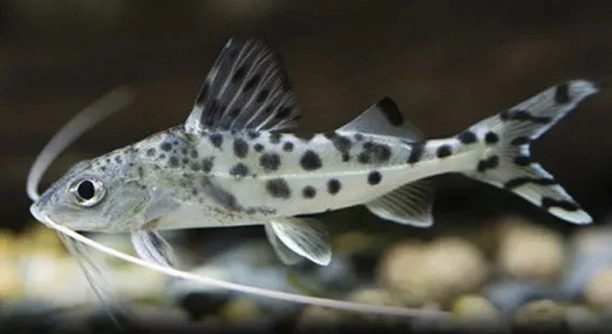
Is your Pictus catfish only active at night, swimming quietly in the dark? Many owners notice this behavior and wonder why their fish prefers the nighttime. This nocturnal activity is actually quite normal for this species.
Pictus catfish are naturally nocturnal, meaning they are most active during the night. This behavior helps them avoid predators and search for food under low light conditions. Their senses are adapted to function best in darkness, which explains their nighttime activity.
Understanding the natural habits of your Pictus catfish can improve how you care for it. Knowing why it prefers the night helps create a better environment for its health and happiness.
Why Pictus Catfish Are Nocturnal
Pictus catfish are naturally nocturnal creatures, which means they are mostly active at night. In their natural habitat, these fish use the cover of darkness to avoid predators and find food more easily. Their eyes are adapted to see well in low light, making night the best time for them to explore and hunt. During the day, they tend to hide in shaded areas or under plants to stay safe. This behavior helps them survive and stay comfortable in their environment. If your Pictus catfish seems inactive during daylight hours, it is likely just following its natural routine. Knowing this can help you understand that their nighttime activity is normal and healthy. Providing plenty of hiding spots and a calm environment during the day will support their natural habits.
Their natural behavior is important to respect to keep them healthy and stress-free.
Adjusting your tank setup to fit their nocturnal lifestyle will improve their well-being. Offering food in the evening and maintaining a quiet space during the day encourages natural activity. Keeping the tank dimly lit or providing shaded areas allows them to feel secure. Monitoring their night activity helps ensure they are eating and behaving normally. Understanding and accommodating their rhythms will make a difference in their happiness and longevity.
Tank Conditions That Affect Activity
Tank lighting plays a key role in when your Pictus catfish is active. Bright lights during the day may cause them to stay hidden longer. A dim or natural light cycle encourages their usual behavior.
Water temperature and quality also influence their energy levels. Maintaining stable, suitable water conditions keeps them comfortable. Fluctuations in temperature or poor water quality can make them less active or stressed.
Pictus catfish appreciate plenty of places to hide, such as caves, plants, and driftwood. These areas help them feel safe during daylight hours, encouraging their nighttime exploration. Avoid disturbing them too often during the day to reduce stress and support their normal schedule. Providing a calm, well-maintained environment tailored to their needs will encourage regular activity and health.
Feeding Habits of Pictus Catfish
Pictus catfish prefer to eat at night, which matches their active hours. They hunt for small insects, worms, and leftover food when the tank is quiet and dark. Feeding them during the evening supports their natural rhythm.
Offering sinking pellets or live foods like bloodworms in the evening encourages them to eat. Avoid feeding during bright daylight, as they may ignore food or become stressed. It is important to provide a varied diet to keep them healthy and energetic. Overfeeding can cause water quality issues, so measure their food carefully and remove leftovers after feeding time.
Observing your Pictus catfish’s feeding behavior helps ensure they are eating enough. If they seem inactive even during feeding time, check water parameters or look for signs of illness. Supporting their natural nighttime feeding helps maintain their energy and vitality.
Common Mistakes in Pictus Catfish Care
Many owners keep their tanks too brightly lit or disturb their fish too often, which stresses nocturnal species like Pictus catfish. This can cause them to hide excessively or lose appetite.
Not providing enough hiding spaces or maintaining poor water quality also affects their behavior and health. Pictus catfish need a calm environment with clean water and stable temperature. Avoid sudden changes or loud noises near the tank, as these can disrupt their natural schedule. Proper tank maintenance and respecting their habits will keep them active and comfortable in your aquarium.
Adjusting Lighting for Better Activity
Pictus catfish are sensitive to bright lights and prefer dim environments. Reducing tank lighting during the day helps them feel secure and encourages natural behavior.
Using a timer to simulate a natural day-night cycle supports their internal clock. Soft lighting in the evening can also promote activity.
Importance of Hiding Spots
Providing plenty of hiding places with plants, rocks, or caves is essential. These spots offer safety during daylight hours, reducing stress. Hiding areas mimic their natural habitat, helping them feel comfortable and encouraging normal nighttime activity.
Monitoring Water Quality
Maintaining clean water with regular changes is crucial for Pictus catfish health. Poor water quality can cause lethargy and stress. Testing parameters like ammonia, nitrite, and pH helps ensure the environment stays stable and safe for your fish.
Common Signs of Stress
When stressed, Pictus catfish may hide excessively or lose interest in food. Changes in swimming patterns or color can also signal discomfort. Watching these signs helps catch problems early and keep them healthy.
FAQ
Why is my Pictus catfish only active at night?
Pictus catfish are naturally nocturnal. Their behavior of being active during the night helps them avoid predators and find food more easily. Their eyes are adapted to low light, making night the best time for swimming and hunting. This is normal and healthy behavior.
Can I make my Pictus catfish more active during the day?
It’s not recommended to force your catfish to be active during the day. They naturally prefer darkness and may become stressed with bright lights or constant disturbance. Instead, focus on creating a calm, dim environment and respect their natural rhythm.
What should I feed my Pictus catfish?
Pictus catfish enjoy sinking pellets, live or frozen bloodworms, brine shrimp, and other small protein-rich foods. Feed them in the evening or at night when they are active. Avoid overfeeding to maintain good water quality.
How often should I feed my Pictus catfish?
Feed small amounts once or twice daily, preferably in the evening. Monitor how much they eat and remove uneaten food to prevent water pollution. A varied diet helps keep them healthy.
Why does my Pictus catfish hide all day?
Hiding during the day is typical for Pictus catfish. It helps them feel safe and reduces stress. Providing plenty of hiding places in the tank supports this behavior and improves their comfort.
Is tank lighting affecting my Pictus catfish’s activity?
Yes, bright or constant lighting can cause your catfish to stay hidden and less active. Use a timer to create a natural day-night cycle and keep lighting dim during the day to encourage normal behavior.
How important are hiding spots for Pictus catfish?
Very important. Hiding spots provide security and mimic their natural environment. Without enough places to hide, Pictus catfish can become stressed, which affects their health and activity.
What water conditions are best for Pictus catfish?
They prefer clean, well-filtered water with stable temperatures between 72-78°F (22-26°C). pH should be neutral to slightly acidic (6.5-7.5). Regular water changes and monitoring parameters like ammonia and nitrite are essential.
What signs show my Pictus catfish is stressed or sick?
Look for excessive hiding, loss of appetite, slow movement, faded color, or unusual swimming patterns. Early detection helps treat problems before they worsen.
Can Pictus catfish live with other fish?
Yes, they are generally peaceful but prefer tank mates that are not aggressive or too active during the day. Avoid large or aggressive species to reduce stress and injury risks.
How large do Pictus catfish grow?
They usually grow up to 4-5 inches (10-13 cm) in captivity. Make sure your tank is big enough to provide space for swimming and hiding.
Do Pictus catfish need a specific type of substrate?
They prefer soft substrates like sand or smooth gravel to protect their sensitive barbels while foraging. Sharp or rough substrates can cause injuries.
How long do Pictus catfish live?
With proper care, they can live 8 to 10 years in a home aquarium. Maintaining good water quality and proper feeding extends their lifespan.
Can Pictus catfish survive in a community tank?
Yes, as long as tank mates are compatible and the environment supports their needs. Avoid overcrowding and provide sufficient hiding places to reduce stress.
What should I do if my Pictus catfish stops eating?
Check water quality and tank conditions first. Stress or illness often cause loss of appetite. If water parameters are fine, consider consulting a vet or aquarium specialist for diagnosis.
Final Thoughts
Understanding why your Pictus catfish is only active at night helps you care for it better. These fish are naturally nocturnal, meaning their behavior is normal and expected. They use nighttime to explore, search for food, and avoid danger. Accepting this helps you create a tank environment that supports their needs. Instead of trying to change their schedule, focus on making their space comfortable and safe. Providing plenty of hiding places and keeping lighting low during the day will make your catfish feel more secure. This respect for their natural habits leads to a healthier, less stressed fish.
Keeping good water quality is very important for the well-being of your Pictus catfish. Regular water changes, stable temperatures, and proper filtration all contribute to a healthy environment. Poor water conditions can cause stress and reduce your fish’s activity. Feeding your catfish a varied diet in the evening supports their nocturnal lifestyle and keeps them energetic. Watching their behavior over time lets you notice if something is wrong. If they stop eating or hide more than usual, checking the tank’s conditions and their health is important. Early care and attention help prevent bigger problems later.
In summary, respecting your Pictus catfish’s natural nighttime activity is key to successful care. Adjust your tank lighting and set up hiding spots to match their habits. Maintain clean water and feed them at times that suit their rhythm. By doing these simple things, you create a peaceful home where your catfish can thrive. Understanding their behavior will make caring for them easier and more rewarding. Your Pictus catfish will show more natural, lively behavior when their needs are met properly. This approach leads to a happier fish and a more enjoyable aquarium experience.

Hello,
If you enjoy the content that we create, please consider saying a "Thank You!" by leaving a tip.
Every little bit helps us continue crafting quality advice that supports the health, happiness, and well-being of pets around the world, for pets of all shapes, sizes, and species.
We really appreciate the kindness and support that you show us!