
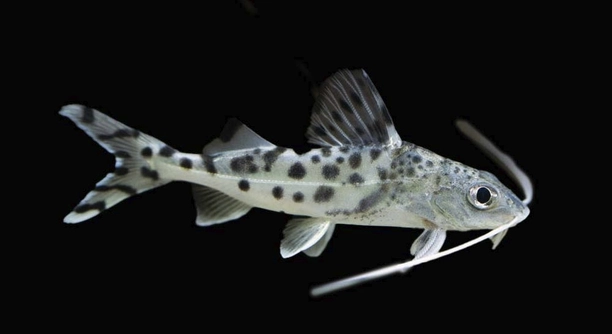
Is your Pictus catfish suddenly darting around its tank more than usual? This behavior can be puzzling for many fish keepers. Understanding why this happens can help you ensure your fish stays healthy and comfortable.
Pictus catfish dart quickly due to stress, water quality issues, or sudden changes in their environment. They may also react to tankmates or seek food, making quick movements a natural response to stimuli or discomfort.
Knowing the reasons behind this behavior will help you create a better habitat for your Pictus catfish and keep it calm and happy in your aquarium.
Common Causes of Darting Behavior
Pictus catfish often dart around because they are sensitive to their environment. Sudden changes in water temperature or quality can make them uneasy. Poor water conditions, such as high ammonia or nitrate levels, can cause discomfort, leading to quick, nervous movements. Another reason could be the presence of aggressive tankmates. If the fish feels threatened or crowded, it may swim fast to escape. Even loud noises or sudden vibrations near the tank can trigger darting. Sometimes, these fish dart when they spot food or see something new in their tank. They have natural instincts to react quickly to potential danger or opportunities. Being aware of these triggers helps in creating a stable and calm environment for your catfish. Regular water checks and gentle tank maintenance can reduce stress and minimize darting. Ensuring plenty of hiding spaces also gives your catfish a safe spot to relax. This creates a happier and healthier fish.
Pictus catfish usually dart due to stress from environmental changes or threats in the tank. Their quick movements signal discomfort or alertness.
Understanding these common causes lets you take steps to improve your fish’s living conditions and reduce erratic behavior.
How to Improve Your Catfish’s Environment
Creating a peaceful tank for your Pictus catfish involves maintaining clean water and stable conditions. Test the water regularly for ammonia, nitrites, and nitrates, keeping them at safe levels. Use a good filter to keep the water clear and oxygenated. Avoid sudden temperature changes by using a reliable heater and monitoring the tank closely. Adding plants and hiding spots offers security and reduces stress. Make sure tankmates are peaceful and compatible with Pictus catfish to prevent bullying or chasing. Feeding on a regular schedule helps reduce frantic searching or darting for food. Gentle lighting also helps, as bright lights can startle your fish. Taking these steps creates a calm environment, which encourages natural, relaxed behavior in your Pictus catfish and reduces rapid swimming episodes. Small changes can make a big difference in your fish’s comfort and well-being.
Signs of Stress in Pictus Catfish
Stress in Pictus catfish often shows through darting, but other signs include hiding more than usual and loss of appetite. Their fins may clench close to the body, and colors might fade slightly. Watching these signals helps catch problems early.
When a Pictus catfish is stressed, it can become restless and swim rapidly without reason. It might avoid usual hiding spots or act skittish around tankmates. Stress weakens their immune system, making them more prone to illness. If the fish frequently darts, it’s important to check water quality, temperature, and tank conditions. Make sure there are enough hiding places, as lack of shelter adds to stress. Also, avoid overcrowding, which can increase tension. Monitoring behavior closely gives clues on how to adjust care and environment for better comfort.
Reducing stress starts with stable water parameters and a calm environment. Regular water changes, proper filtration, and gentle handling keep Pictus catfish healthy. Adding live plants or caves provides secure spots where they feel safe. Avoid sudden loud noises or tapping on the glass, which can startle them. Consistent feeding times also support their well-being. These steps help prevent stress-related darting and promote a peaceful tank atmosphere where your fish can thrive.
The Role of Tank Setup
Tank setup plays a major role in how comfortable your Pictus catfish feels. Proper size, decorations, and hiding spots are all important. A well-designed tank reduces stress and unwanted darting behavior.
Choosing the right tank size matters—Pictus catfish need at least 30 gallons for enough swimming space. Providing caves, driftwood, and plants mimics their natural habitat and offers shelter. They feel secure when they have places to retreat. Avoid overcrowding by keeping the fish population balanced. Substrate choice matters, too; smooth gravel or sand is best to protect their barbels. Proper lighting that is not too harsh helps them stay calm. Setting up the tank thoughtfully creates a stable environment that supports natural behavior and reduces erratic movements. This makes your catfish feel safe and helps you enjoy a peaceful aquarium.
Feeding Habits and Their Impact
Pictus catfish may dart when they sense food in the tank. They are natural scavengers and become excited during feeding times. This quick movement is normal but can seem sudden.
Overfeeding or irregular feeding schedules can cause stress and erratic swimming. Feeding smaller amounts more often helps keep them calm and reduces darting related to hunger or competition.
Water Quality Importance
Maintaining good water quality is essential for Pictus catfish health. Poor water conditions cause discomfort, making the fish swim erratically. Regular testing and water changes keep toxins low and support stable conditions.
How to Monitor Water Quality
Test water parameters like ammonia, nitrites, nitrates, and pH weekly. Use reliable kits to track these levels. Keeping the water clean prevents stress and health problems that cause darting behavior.
When to Seek Professional Help
If darting persists despite good care, it may signal illness or injury. Consulting a vet experienced with fish can help diagnose and treat underlying problems early, ensuring your catfish’s well-being.
FAQ
Why does my Pictus catfish dart suddenly even when the tank looks fine?
Sometimes darting happens even when everything seems okay. Small changes like slight temperature shifts, new tank decorations, or a noisy environment can unsettle them. These fish are sensitive and react to anything unfamiliar. Observing their behavior closely helps identify less obvious stress factors.
Can darting mean my Pictus catfish is sick?
Yes, rapid darting can be a sign of illness. Parasites, infections, or injury can cause discomfort and restless swimming. Watch for other symptoms like clamped fins, loss of appetite, or unusual spots. Early detection and treatment are important for recovery.
How can I reduce darting caused by tankmates?
Aggressive or fast-moving tankmates can stress Pictus catfish, causing darting. Choose peaceful fish that won’t chase or intimidate them. Avoid overcrowding and provide plenty of hiding places. This helps your catfish feel safe and less likely to dart nervously.
Is it normal for Pictus catfish to dart at night?
Pictus catfish are mostly nocturnal and tend to be more active in low light. Darting at night can be normal as they explore or search for food. However, constant frantic movement may still signal stress or discomfort.
Could poor water quality cause darting even if the water looks clear?
Water can appear clear but still have harmful chemicals. High ammonia or nitrite levels are dangerous and irritate fish, leading to darting. Regular water tests are necessary to catch invisible problems and keep the tank safe.
How often should I test my tank water?
Testing at least once a week is ideal, especially for new tanks or if your fish show signs of stress. Frequent checks help you catch issues early and prevent problems that cause darting.
What tank size is best to prevent darting behavior?
A minimum of 30 gallons is recommended for Pictus catfish. Larger tanks offer more space to swim and hide, reducing stress and sudden movements. Crowded tanks increase competition and tension, which often causes darting.
Can lighting affect my catfish’s behavior?
Bright or flashing lights can startle Pictus catfish, causing them to dart. Soft, dim lighting mimics their natural environment and keeps them calm. Using a timer for consistent light cycles helps maintain a routine they can adjust to.
What are the signs of a healthy Pictus catfish?
A healthy Pictus catfish swims smoothly, has bright eyes, and explores the tank calmly. It eats regularly and uses hiding spots without excessive darting. Healthy barbels and fins without damage also show good condition.
How should I handle my Pictus catfish if it’s darting a lot?
Avoid tapping the glass or sudden movements near the tank. Keep handling minimal and gentle during water changes. Provide a quiet environment and stable conditions to help the fish settle and reduce stress.
Can diet influence darting behavior?
Yes, feeding a balanced diet on a regular schedule helps prevent frantic food-seeking darting. Avoid overfeeding or long gaps between meals. A varied diet with sinking pellets or frozen foods supports their natural habits and calmness.
Is it normal for young Pictus catfish to dart more than adults?
Juvenile Pictus catfish are usually more active and dart more often. They explore their surroundings as they grow. As they mature, their movements often become calmer unless stressed or threatened.
How long does it take for Pictus catfish to adjust to a new tank?
Adjustment can take several days to a few weeks. During this time, they may dart more frequently due to stress. Providing hiding spots and keeping water parameters stable helps speed up their comfort and reduces darting over time.
What should I do if darting starts after adding new fish?
New fish can create stress through competition or territorial behavior. Quarantine new arrivals and introduce them slowly. Monitor interactions and provide enough space and hiding places for all tankmates.
Can changes in water flow cause darting?
Strong or uneven water flow can stress Pictus catfish, making them dart to avoid currents. They prefer moderate flow and calm areas. Adjust your filter or add decorations to create calmer zones in the tank.
Is darting behavior more common during feeding times?
Yes, Pictus catfish often dart quickly when food is introduced. This excitement is normal but should settle quickly. If darting continues after feeding, it might indicate hunger issues or stress.
These answers cover many common concerns about Pictus catfish darting. Paying close attention to their environment and behavior helps keep your fish calm and healthy.
Pictus catfish are lively and interesting fish that can bring a lot of joy to an aquarium. Their darting behavior is often a sign that they are reacting to something in their environment. It is important to remember that this quick swimming is not always a problem but can sometimes indicate stress or discomfort. By understanding what causes this behavior, you can help your catfish feel more comfortable and secure in its tank. Paying attention to water quality, tank setup, and tankmates can make a big difference in reducing darting and keeping your fish calm.
Taking care of a Pictus catfish means creating a stable and peaceful environment. These fish are sensitive to changes, so regular water testing and gentle handling are important. Providing hiding spots and a proper tank size helps them feel safe. Their natural habits, such as being active at night and needing a varied diet, should be considered in daily care. Watching for signs of stress or illness, like frequent darting or loss of appetite, allows you to act early before problems grow. Small changes like adjusting lighting or tank flow can improve their comfort and reduce sudden movements.
Overall, the key to happy Pictus catfish lies in observation and care. Learning how your fish behaves normally will help you notice when something is off. Darting is often a response to something in their environment, so improving tank conditions and avoiding stressors will make a big difference. With patience and proper care, your Pictus catfish can thrive and show its natural, calm behavior more often. Keeping a healthy and balanced aquarium benefits both the fish and the owner, making the experience rewarding for everyone.

Hello,
If you enjoy the content that we create, please consider saying a "Thank You!" by leaving a tip.
Every little bit helps us continue crafting quality advice that supports the health, happiness, and well-being of pets around the world, for pets of all shapes, sizes, and species.
We really appreciate the kindness and support that you show us!