
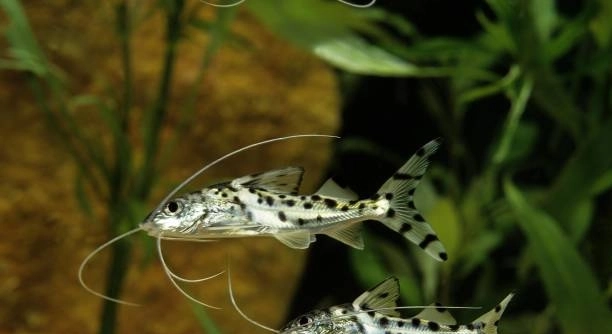
Is your pictus catfish constantly rubbing against rocks, making you wonder if something might be wrong with its environment or health?
Pictus catfish often rub on rocks due to irritation, poor water quality, external parasites, or stress from incompatible tank mates. This behavior signals discomfort and may indicate that your aquarium conditions require closer attention and proper adjustments.
Understanding the reasons behind this behavior will help you create a safer, healthier environment for your catfish to thrive in peace.
External Parasites and Skin Irritation
When a pictus catfish rubs its body against rocks, it often points to skin irritation caused by external parasites. Parasites such as ich, flukes, or costia can make the fish feel itchy or uncomfortable, triggering this behavior. These tiny organisms attach to the skin or gills, making the fish restless. Scratching is a natural reaction to relieve the irritation, much like how humans react to insect bites. It’s important to observe for other signs like white spots, rapid gill movement, or redness around the fins. These symptoms help confirm a parasitic infection. Treating the tank with an appropriate medication and slightly raising the water temperature can often help. However, the treatment should match the specific parasite causing the issue. It’s also helpful to quarantine new fish before adding them to a community tank. Doing so reduces the chance of introducing harmful organisms that might spread to others.
Act quickly if rubbing is accompanied by other visible symptoms, as parasites can spread fast.
Proper treatment and observation will prevent the condition from getting worse and protect your entire tank community. Being consistent with tank maintenance, monitoring behavior, and ensuring new fish are parasite-free are important steps in avoiding repeated outbreaks.
Poor Water Quality and Ammonia Spikes
Poor water conditions are one of the most common reasons for fish discomfort and rubbing behavior.
High ammonia levels, nitrites, or sudden pH changes can irritate the sensitive skin and gills of your pictus catfish. These invisible changes in water chemistry can create a stressful and sometimes toxic environment for your fish. When ammonia levels rise above 0 ppm, it begins to burn the gills and body, causing extreme discomfort. Frequent rubbing is often a sign that the fish is trying to escape or find relief from that pain. Regular water testing is key to keeping conditions stable. Make sure your filtration system is working efficiently, and perform weekly partial water changes. Overfeeding is another common issue, as leftover food breaks down and leads to increased waste. Always remove uneaten food promptly and avoid overcrowding the tank. A well-maintained tank with steady parameters will help your catfish stay comfortable and reduce stress-related behaviors.
Stress from Tank Mates
Aggressive or fast-moving tank mates can cause stress for pictus catfish, especially in confined spaces. This stress often leads to rubbing behavior, as the catfish tries to calm itself or establish space in a crowded or tense environment.
Pictus catfish are peaceful by nature but can become defensive if they feel threatened. Sharing a tank with larger or territorial fish may increase anxiety. Constant chasing or nipping will push the catfish to seek hiding spots or display unusual behaviors like rubbing. Providing plenty of caves and hiding areas can ease this tension. It’s also helpful to observe fish interactions during feeding times. If the pictus catfish is being outcompeted for food or bullied, it may become withdrawn and reactive. Choosing compatible tank mates like peaceful bottom dwellers or small schooling fish can make a difference. A calm environment encourages natural behavior and helps your pictus stay healthy.
Stress weakens a fish’s immune system and may increase the chance of disease. If left unchecked, this constant pressure can lead to poor appetite, fin damage, or more aggressive rubbing. Pay attention to signs like darting, hiding, or sudden movement changes. Adjusting the tank layout or rehoming incompatible species may be necessary for balance.
Lack of Hiding Spots
A tank without enough hiding places can make your pictus catfish feel exposed and uneasy. These fish are naturally shy and rely on cover to rest and feel secure during the day.
In a sparse tank, pictus catfish will often seek comfort through repetitive movement or rubbing against available surfaces. Rocks, driftwood, or PVC tubes offer important shelter. When these are missing, your fish may become anxious, which can lead to erratic swimming or rubbing. Adding more decorations doesn’t just help your catfish—it supports the natural flow of activity in the tank. A more structured setup gives fish areas to claim and rest in peace. Try using varied textures and arranging items to form shaded or semi-covered areas. This makes your catfish feel protected, especially during daylight hours when they are less active. Comfortable surroundings are essential for reducing stress-driven behaviors.
Giving your catfish secure, shaded hiding places improves their daily routine and reduces overexposure to light or activity. When fish feel safe, they behave more naturally, show better colors, and are more likely to explore their surroundings. Even a few well-placed structures can transform the tank into a calming space. Regularly rearrange items to prevent boredom, but always leave enough cover.
Fluctuating Water Temperature
Inconsistent water temperature can stress your pictus catfish and lead to rubbing behavior. Sudden shifts, even by a few degrees, can cause discomfort or weaken the fish’s immune response, making it more sensitive to its surroundings.
Stable temperatures between 74°F and 80°F are ideal. Use a reliable aquarium heater and thermometer to monitor daily.
Natural Shedding Behavior
Pictus catfish occasionally rub when naturally shedding a thin outer mucus layer. This is a protective process, and light rubbing may occur as old mucus loosens.
If shedding is frequent or excessive, it may signal poor water quality or disease. Observe closely to rule out underlying issues.
Overcrowded Tank
Too many fish in one tank reduces space and raises stress levels. Overcrowding limits oxygen and increases waste, which may cause discomfort.
Keeping the tank lightly stocked allows your pictus catfish room to move, rest, and stay calm without needing to rub for relief.
FAQ
Why does my pictus catfish rub only at night?
Pictus catfish are nocturnal and more active during the night. Rubbing behavior at night can be part of their natural cleaning process or a way to relieve discomfort that builds up during the day. If the rubbing is occasional and the fish appears healthy, it is usually normal behavior. However, if the rubbing seems excessive or the fish shows other signs of distress, it may indicate irritation or water quality issues that worsen at night. Checking tank conditions and providing adequate hiding spots can help reduce nighttime stress.
Can rubbing cause injury to my pictus catfish?
Yes, excessive rubbing can lead to physical damage. Continuous scraping against rough surfaces might cause wounds, scale loss, or infections. If your catfish shows signs of injury, it is important to identify and fix the underlying problem quickly. Injuries make the fish more vulnerable to secondary infections, which can be harder to treat. Ensure the tank décor has smooth edges, and keep water conditions optimal to minimize rubbing behavior and promote healing.
Is rubbing always a sign of illness?
Not always. Sometimes rubbing is part of normal behavior like removing dead skin or shedding mucus. It becomes a concern when rubbing is frequent, aggressive, or accompanied by other symptoms like lethargy, loss of appetite, or visible sores. Monitoring your fish’s overall behavior and appearance is important. Early detection of illness makes treatment easier and helps keep your fish healthy and comfortable.
How often should I check my tank’s water parameters?
It’s best to test water parameters weekly, especially ammonia, nitrites, nitrates, and pH. Frequent checks help catch problems early before they cause stress or illness. Pictus catfish are sensitive to water changes, so keeping the environment stable is essential. If you notice rubbing behavior, testing the water can reveal if conditions are contributing to the issue. Regular maintenance, including partial water changes, supports a healthy tank for all fish.
What tank mates are best for pictus catfish?
Pictus catfish prefer peaceful companions that occupy different areas of the tank. Good tank mates include small tetras, rasboras, or other calm schooling fish. Avoid aggressive or territorial species that might stress your catfish. Providing enough space and hiding places also helps reduce conflict. When tank mates are compatible, your pictus catfish will be less stressed and less likely to rub on rocks or decorations.
Can diet affect rubbing behavior?
Yes, a poor or unbalanced diet can weaken a fish’s immune system, making it more susceptible to irritation and parasites. Feeding a varied diet including sinking pellets, frozen foods, and occasional live foods helps keep your pictus catfish healthy. Nutritional deficiencies may also reduce skin quality, causing discomfort. Proper feeding supports overall health, which lowers the chance of rubbing due to irritation.
Should I quarantine new fish before adding them to my tank?
Always quarantine new fish for at least two weeks before introducing them to the main tank. This prevents the spread of parasites, bacteria, or viruses that can cause rubbing behavior and illness. Quarantine tanks provide a controlled environment to monitor and treat new arrivals if needed. It’s a simple step that protects the health of your pictus catfish and the entire community.
What signs indicate I need to see a vet or specialist?
If rubbing is paired with open wounds, persistent lethargy, refusal to eat, or abnormal swimming patterns, it’s time to consult a vet or aquatic specialist. These signs suggest serious illness or injury that needs professional care. Early intervention improves the chances of recovery and keeps your fish comfortable. Don’t delay treatment if symptoms worsen or do not improve with home care.
Understanding why your pictus catfish rubs on rocks can help you provide a better environment for your fish. This behavior often signals discomfort or stress caused by various factors like water quality, parasites, tank mates, or lack of hiding places. Addressing these issues early prevents health problems and helps your fish live comfortably. Paying attention to your catfish’s behavior and the condition of your aquarium is important for their well-being.
Maintaining stable water conditions is one of the most effective ways to reduce rubbing. Regular testing and cleaning keep harmful chemicals low and water safe. Providing a spacious tank with peaceful companions and plenty of hiding spots creates a less stressful environment. If parasites or infections are the cause, timely treatment is necessary. Consistent care and observation go a long way in preventing common problems that lead to rubbing behavior.
Every fish is different, and sometimes rubbing can be part of natural processes like shedding mucus. However, when rubbing becomes frequent or severe, it should not be ignored. Monitoring your pictus catfish and making necessary changes in tank setup or health care can improve their quality of life. Keeping your aquarium clean and comfortable helps your catfish thrive and display healthy, natural behavior.

Hello,
If you enjoy the content that we create, please consider saying a "Thank You!" by leaving a tip.
Every little bit helps us continue crafting quality advice that supports the health, happiness, and well-being of pets around the world, for pets of all shapes, sizes, and species.
We really appreciate the kindness and support that you show us!